

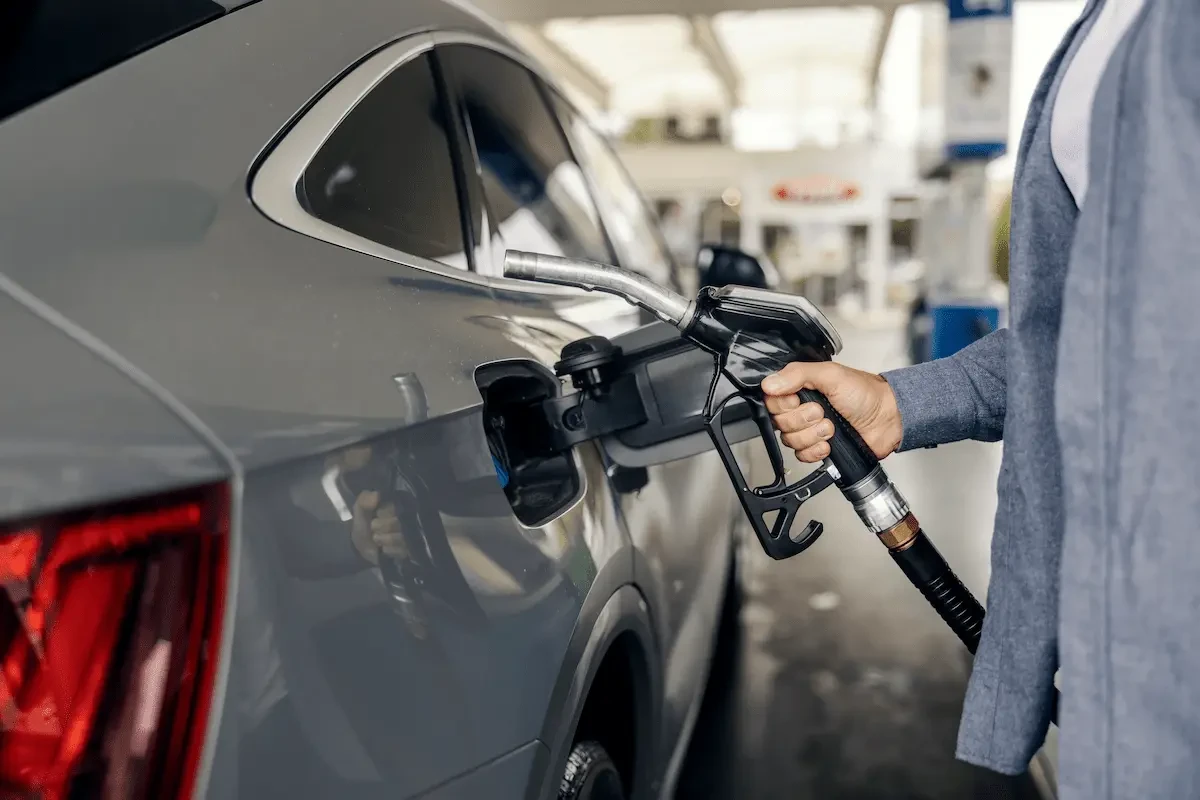
Fuel prices are among the factors that influence collision claims frequency, with lower fuel prices linked to more miles driven and increased collision potential, according to PartsTrader's January 2026 industry outlook.
Federal forecasters are now projecting that driving miles will decline year over year in the third quarter of 2026. The U.S. Energy Information Administration attributes the projected decline to disruptions to oil flow through the Strait of Hormuz, according to the agency's May 2026 Short-Term Energy Outlook (STEO), released May 12.
Cox Automotive Chief Economist Jeremy Robb noted in the Manheim Used Vehicle Value Index mid-May 2026 report that national gas prices have held at $4.50 per gallon or higher since May 6.
The effect of gas increases on collision repair
The PartsTrader January 2026 outlook noted that a reduction in fuel prices at the start of the year was expected to mean more miles driven and increased potential collisions — the inverse of the current environment, in which prices have risen sharply since February.
The projected third-quarter decline in driving miles arrives as collision repair volume is already tracking below prior-year levels. CCC Intelligent Solutions reported in its 2026 Crash Course report that repairable claim volume declined 9.7% in 2025 across all coverages, and that total loss frequency reached a record 23.1% of all claims that year.
Enterprise Mobility's first-quarter 2026 length-of-rental data showed the average collision-related rental in the U.S. fell to 16.3 days, down 0.4 days from Q1 2025, as previously reported. Enterprise noted in its report that future outcomes may be influenced by current market and economic conditions. The continued decline in length of rental reflects shorter shop backlogs and a smaller pool of insured jobs entering the repair stream, according to the Q1 2025 Enterprise data report.
Consumer sentiment near record low
The University of Michigan's preliminary consumer sentiment index for May 2026 fell to 48.2, the second-lowest reading on record, according to the university's Surveys of Consumers program. The university reported that approximately one-third of consumers cited gas prices when describing their economic outlook. The final May reading is scheduled for release May 22.
Robb noted in the Manheim mid-May report that demand for older, lower-priced vehicles has been among the strongest performing segments at wholesale. "Some of the strongest performing segments are lower priced vehicles in the 8-plus year-old range," Robb said. "More demand and higher values in older units tends to lift the Manheim Index overall."
EV demand rising as a secondary effect
Mitchell International's Q1 2026 Plugged-In: EV Collision Insights report stated that geopolitical instability in the Middle East has contributed to oil price volatility and reinforced the value proposition of electrified vehicles, with rising fuel costs pushing consumers toward the used battery-electric vehicle market.
The Manheim mid-May report noted that three-year-old EV prices have outpaced non-EVs for six consecutive weeks and are up 11% since the start of the year. Robb said in the report that the longer gas prices remain elevated, the more consumers are expected to turn to fuel-efficient vehicles, and that EV price trends will be critical to follow as lease maturities increase through the summer.








Lisa McArdle