

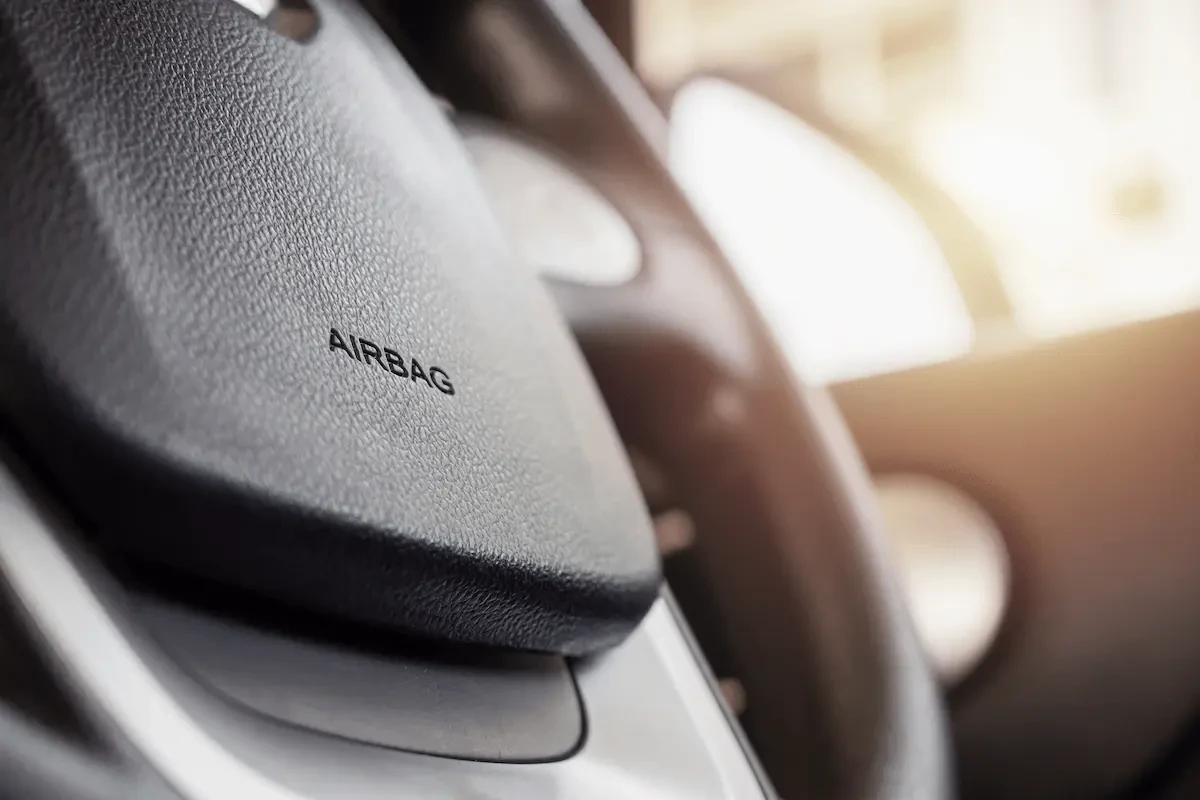
About 4.7 million vehicles in the U.S. have not received the fix under the Takata airbag recall, according to Carfax's September 2026 recall tracker. Meanwhile, Honda says it is still buying recalled airbag hardware from salvage yards so those parts cannot be reinstalled as replacements.
American Honda says its salvage yard buyback has removed more than 535,000 recalled inflators so far and is ongoing. The company has also asked major online auction sites to ban listings for affected airbags, according to its Takata recall fact sheet, current as of Aug. 21.
Unrepaired count down about 20% since 2024
When the Takata airbag recall reached its 10-year mark in 2024, Carfax counted more than 6 million U.S. vehicles with the repair still outstanding. The current figure of about 4.7 million is roughly 20% lower, according to the company's tracker.
Carfax says the remaining vehicles are aging and changing hands, which makes their owners harder to locate. The company estimates that about 1.3 million U.S. vehicles have an open do-not-drive recall, whether related to Takata or another defect.
The recall covers about 67 million airbags, and NHTSA has confirmed 28 U.S. deaths from ruptured Takata inflators, with at least 400 injuries reported, according to the agency's Takata Recall Spotlight. The agency's February consumer alert warned that "even minor crashes can result in exploding Takata air bags" and said the chance of an explosion grows as an airbag ages. The 28th confirmed death occurred in a Honda.
Stellantis extends stop-drive warning to all its unrepaired vehicles
On Feb. 11, NHTSA published a consumer alert after Stellantis' FCA US unit told owners of every Chrysler, Dodge, Jeep, and Ram vehicle with an open Takata recall to stop driving until the repair is done. FCA US said about 225,000 of its U.S. vehicles were still unrepaired and that it had replaced more than 6.6 million inflators.
The affected models, from model years 2003-2016, include the Dodge Ram, Charger, Challenger, Durango, Dakota, and Magnum, as well as the Chrysler 300 and Aspen, the Jeep Wrangler, and the Mitsubishi Raider, according to the alert.
Stellantis told Fox Business that "this stop-drive directive is focused on completing repairs on this remaining population," adding that it began notifying owners Feb. 9. Its Mopar recall page says owners can have their vehicles towed to a dealer at no charge or have a technician do the repair at their home. The page also warns that "the risk of airbag inflator explosion continues to increase over time."
The 2026 advisory follows earlier FCA US warnings, including one issued after a 2023 fatality in a 2003 Dodge Ram. Other automakers have issued similar warnings, among them Ford and Mazda and Toyota in 2024.
Recalled modules and the replacement parts supply
In 2024, BMW recalled nearly 395,000 3 Series vehicles because some may have a sport or M-sport steering wheel containing a Takata driver airbag module. According to the automaker's recall statement, an owner could have installed that module even though it was "not officially offered or approved by BMW as a replacement part."
Separately, eBay set Sept. 24 as the effective date for its ban on listing or selling airbags, airbag inflators, and steering wheel airbag covers on its marketplace, following a federal inquiry tied to counterfeit inflators.
Honda reports 96.2% completion as outreach reaches independent shops
Honda says about 12.9 million Honda and Acura vehicles in the U.S. have been recalled over Takata inflators, covering about 21 million inflators in total. About 17 million of those have been replaced, and the company's national completion rate was 96.2% as of Aug. 21, according to its fact sheet. Honda has confirmed 20 deaths and more than 200 injuries in the U.S. from ruptured driver inflators.
Honda is concentrating on the "Alpha" inflators in certain 2001-2003 Honda and Acura models. Citing NHTSA and Takata, Honda's fact sheet puts the rupture rate for those inflators as high as 50%, and Honda advises owners not to drive the vehicles until they are repaired.
Honda warned owners in 2023 to park those vehicles. The automaker also found in a review of 14 unrelated recall campaigns that completion rates drop to about 33% by the ninth and 10th year of ownership. It noted that many Takata-affected vehicles are now, or will soon be, older than 15 years.
Honda says millions of its older vehicles go to independent repair facilities rather than dealerships for mechanical work. The company has sent posters and letters urging action to more than 160,000 of those shops and has advertised in independent repair trade publications, asking staff to run VIN checks on customer vehicles for open recalls. Honda also works with Carfax to flag unrepaired recalls on vehicle history reports, has reached out to auto insurers, and encourages the creation of state and federal laws requiring open safety recalls to be completed before a vehicle can be registered.
NHTSA's Recalls Lookup Tool searches for open recalls by VIN or license plate, according to the agency's February alert. NHTSA recommends running a check a minimum of two times a year, according to its Takata Recall Spotlight.






Lisa McArdle