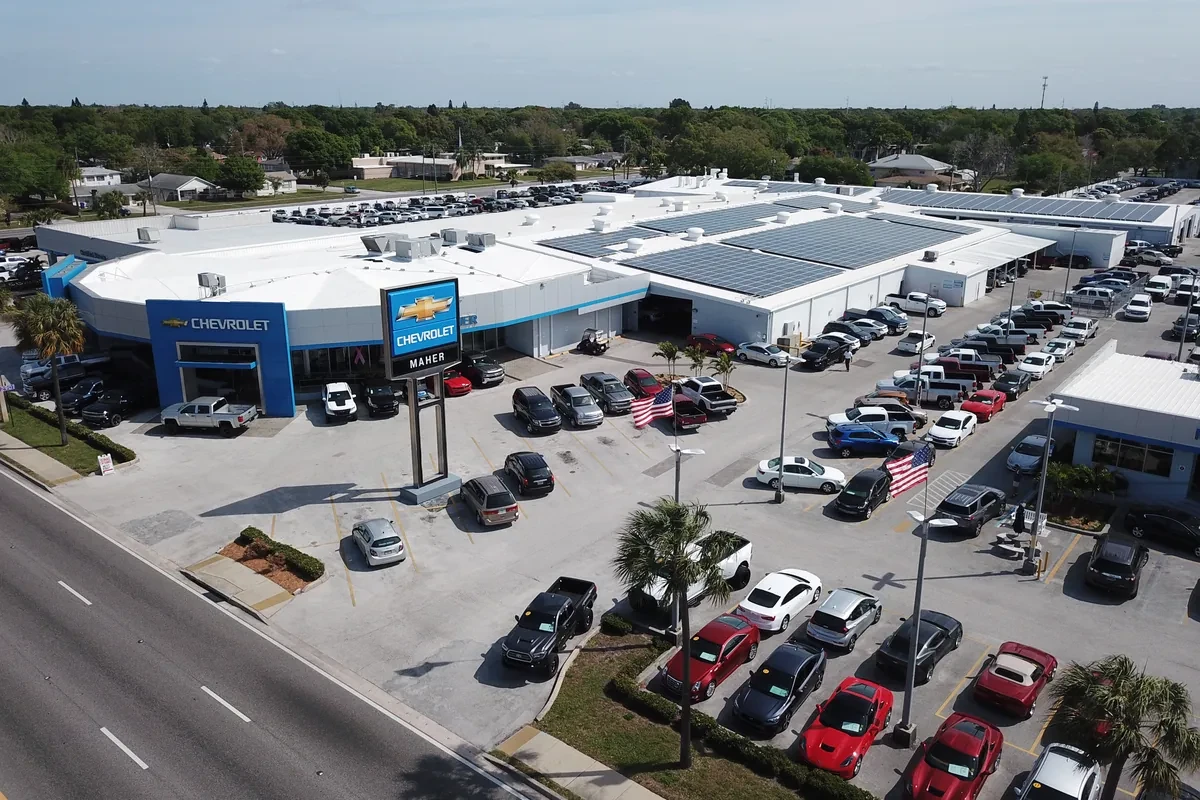
When Summer Poirier took over management of Maher Chevrolet's collision center two years ago, the vehicle repairs coming through the door were getting more complicated by the month, and every one of them arrived with paperwork attached.
"A lot of certifications were coming in, and fast. A lot of the ADAS technology was coming in," Poirier said. "I was trying to get the education and knowledge on all aspects."
Documenting and performing repairs based on OEM procedures was never in question at the Florida shop. The dealership has been family-owned and operated since the 1950s, and the collision center repairs all makes and models for customers who have been coming back for decades. "They're putting their children back in these vehicles, and we want to make sure they're safe per OEM procedures and requirements," Poirier said.
Procedure Research was Eating into Every File
Initially, finding necessary repair procedures was a problem. The shop was pulling them from a different service, and the search itself would sometimes eat up the entire day. Poirier said she had heard that the administrative side of a properly documented collision file could take upward of 11 hours, with most of that time spent hunting for repair procedures.
Time was not the only cost. Newer writers didn’t always know what to look for either.
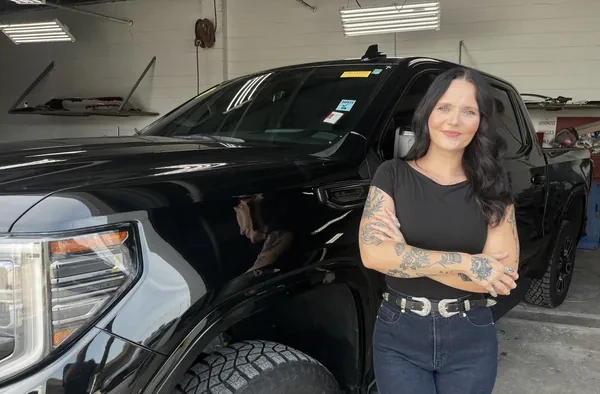 Manager Summer Poirier brought RepairLogic into Maher Chevrolet's daily collision center process after taking over the department."With the other services out there that provide you with that information, it's not readily obtainable. You have to search through files. You have to be knowledgeable yourself on how to properly repair the vehicle," Poirier said. "Things were definitely getting missed."
She found the alternative at a local auto body association conference, where a representative from OEC was speaking about RepairLogic. What sold her on OEC’s repair planning platform was that it solved both parts of the collision center’s problem: documenting repairs to OEM standards and doing it fast enough to stay profitable.
"RepairLogic really hit home on both of those subjects for me," Poirier said.
Repair Plans Now Take Minutes Instead of Hours
Poirier’s writers now build a complete repair plan in about 15 minutes on simpler jobs. A lengthy structural repair, like a roof replacement or a unibody job, tops out near an hour.
"Going from almost 11 hours in properly finding that documentation to get to the insurance companies, down to 15 minutes to an hour, is [a] tremendous gain," Poirier said.
Her experience tracks with what OEC reports elsewhere. The company says shops on the platform average 13 minutes per repair plan, about 2.3 times faster than the tools they replaced.
Much of that comes down to the way repair plans in RepairLogic are formatted. "The documentation that is required by insurance companies in order to get anything approved has to be in your estimating system," Poirier said. "RepairLogic, as you're building your repair plan, is creating that PDF for you. It's doing all the hard work and the legwork for you."
The Change Reached Both the Office and the Bays
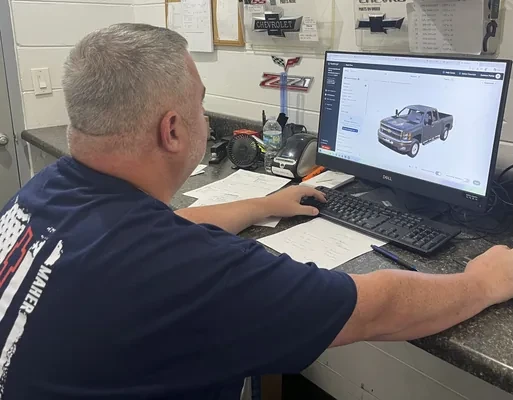 A plan in RepairLogic for a Chevrolet Silverado, with OEM procedures pulled directly into the file.Adoption took almost nothing. The system builds each plan off the VIN, tracks it by repair order number, and is easy to adapt for writers.
"If you can write an estimate, a basic estimate, you can use RepairLogic seamlessly," Poirier said. "You don't need any extra training as far as utilizing the system and navigating the tools on it."
Poirer also says she feels supported by the platform proactively pushing information to her throughout the process. She gets an email when procedures change or new documents post, rather than going looking for them.
"My estimators are not as stressed in rebuilding a proper repair plan with all the proper documentation," she said. "Everything in collision can be more of a fight."
Fewer back-and-forth conversations with insurance carriers means fewer calls later in the process to explain why a supplement hasn’t been approved. Poirier says fewer disputes have meant faster cycle times and better customer reviews since the shop adopted the software.
She can give technicians access to the plan the office built, as well as the ability to . She did not expect them to take her up on it.
"Technicians are not going to take the time to go through other systems that are providing the OEM certifications," she said. "They're wanting that easily available for them to see."
That changed once the procedures became part of the plan writers already build for every job.
"I would say that would be the most unexpected positive thing out of it," Poirier said.
Poirier keeps coming back to the same question: does this tool help the shop keep doing right by the families it's served for decades? Nothing gets adopted unless it serves that first.
"Our customer happiness and safety is obviously going to be our number one thing that we're striving for as a business, and the profitability is going to come in after," she said. "So, finding something that's going to aid into both of those things, I'm going to go that direction all the time."