

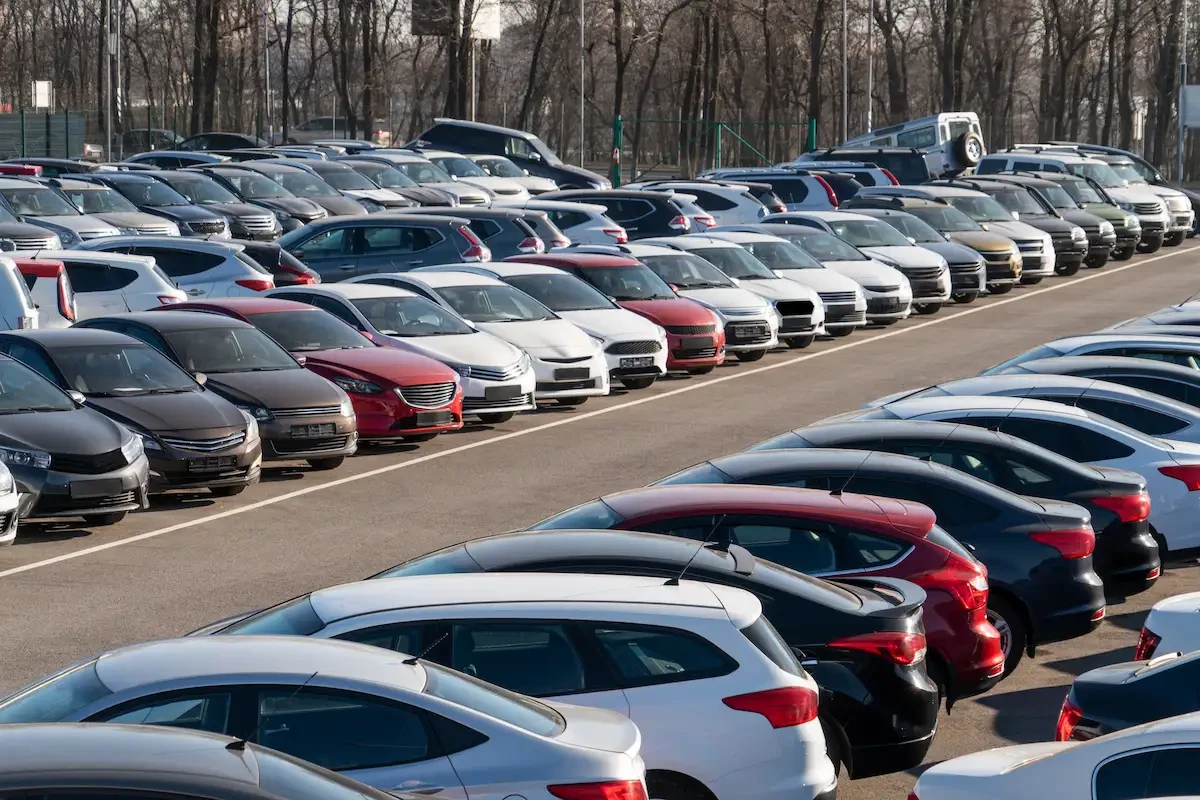
Wholesale used-vehicle prices increased in March, with the year-over-year gain already outpacing what Cox Automotive projected the index would deliver by the end of the full year. This development may affect how many vehicles cross into total loss territory this spring and what collision repair shops see on their lifts in the months ahead.
The Manheim Used Vehicle Value Index, published April 7 by Cox Automotive, reflects a 6.2% year-over-year gain in wholesale used-vehicle prices on a mix-, mileage-, and seasonality-adjusted basis.
In its 2026 automotive industry outlook published Jan. 6, Cox had projected the index would rise 2% year over year by year-end, reflecting what it described as "normal depreciation trends." On a non-adjusted basis, wholesale prices rose 5.7% from a year earlier and 4.2% from February. The long-term average for non-adjusted March prices is a month-over-month increase of 3.4%, according to Cox.
What Is Driving the March Increase
Jeremy Robb, chief economist at Cox Automotive, cited strong consumer demand tied to the tax refund season as a primary driver of the March increase.
"As soon as this year began, prices at Manheim started moving higher as dealers anticipated strong demand from higher tax refunds to consumers," Robb said in the index report. "Sales conversion rates, a clear sign of demand, were higher against 2025 for every week but one in Q1, and vehicle value trends at auction show we are well ahead of last year and where we would normally be during a spring bounce in the wholesale markets."
Sales conversion — or the share of vehicles offered at auction that actually sell, which is a measure of buyer demand — reached 68.2% in March, according to Cox, running 4.6 percentage points above the most recent three-year average for the month. Wholesale supply stood at 24.5 days at the end of March, higher by one day year over year but lower than February by 2.5 days.
EV Wholesale Prices Hit Record Share
EV wholesale prices rose 7.9% year over year and 3.7% from February. EVs accounted for a record 3.9% of the Manheim dataset in March, according to Cox. Non-EV wholesale prices rose 6.0% year over year.
"We expect dealers are anticipating increased interest for used EVs as gas prices have now risen above $4.00 per gallon and are stocking up on EV inventory," Robb said.
The Connection to Total Loss Frequency
The relationship between wholesale vehicle values and collision repair volume has been a consistent thread in industry data over the past two years.
CCC Intelligent Solutions' annual Crash Course 2026 report found total loss frequency rose to 23.1% of all claims in 2025 — a new record — and 23.9% for non-comprehensive losses. Vehicles between seven and 12 years old now represent nearly 41% of total loss valuations, up from 33.4% in 2020.
CCC's Q2 2025 Crash Course Report had identified declining used-vehicle values as a contributing factor to rising total loss frequency, which at that point had reached 22.6% of all claims through April 2025. That report also noted that used values were "beginning to rebound due to supply and demand dynamics."
When wholesale used-vehicle prices fell in July 2025, a corresponding analysis found that lower ACVs push insurers to the total loss threshold sooner, reducing the pool of repairable work available to collision shops. Rising values work in the opposite direction.
New-Vehicle Sales Context
Cox Automotive's April 6 Auto Market Weekly Summary reported that March new-vehicle sales came in at a seasonally adjusted annual rate of 16.3 million, above the company's prior estimate of 15.8 million but down 8.7% from March 2025. Cox attributed last year's elevated March figure to tariff-induced pull-ahead buying that is not being repeated in 2026, making year-over-year comparisons difficult through at least the second quarter.
Fewer new vehicles entering the market means the vehicle population on the road continues to age, sustaining pressure on total loss rates even as wholesale values firm. According to the S&P Global Mobility Data cited in the 2026 Crash Course report, the average age of light vehicles in the U.S. reached 12.8 years in 2025, with a strong likelihood of hitting 13 years in 2026.
Outlook Through Summer
In the report, Robb said he expects Manheim wholesale values to hold through the coming months, supported by consumers who have not yet filed their tax returns.
"The end of March typically proves to be the 'peak' for price action at Manheim, but the way this tax-refund season is unfolding, it could continue for a bit longer," Robb said. "We thought we'd see some impact from the Middle East conflict, and that may still happen. But right now, the data is clear: used-vehicle demand is healthy and inventory levels are relatively tight."
What collision repair shops should watch:
- Monitor borderline total loss decisions in the near term.
- Track whether gains hold through May.
- Watch for tariff-related parts cost pressure to offset ACV gains.
- Prepare for more used EVs in the repair stream.








Lisa McArdle