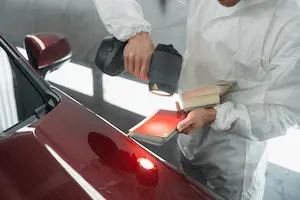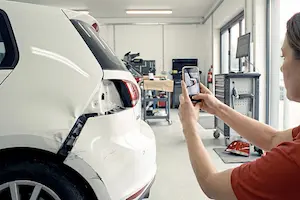

A structural repair begins and ends with a measurement. Shops ask to be paid for the first one far more often than the last.
The 2026 "Who Pays for What?" survey, conducted by Mike Anderson of Collision Advice with CRASH Network, covers both. It defines “pre-measure to diagnose structural damage” as measuring the vehicle before repairs to determine the extent of damage, and “final verification of measurements” as the final check and print-out after repairs are finished.
Anderson: some damage may never be found
Among shops that negotiate for the pre-measure, 47% are paid always or most of the time. Sixteen percent said they have never asked. It ranks eighth of about 20 operations on the survey's overall ranking chart.
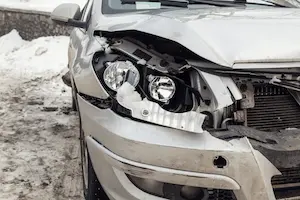
Anderson said he is very concerned that vehicles are not being properly diagnosed during repair planning, and that some may have been repaired without structural damage ever being discovered.
Pre-measuring matters more now than it ever has, he said, because even minor misalignments can affect the performance and accuracy of ADAS.
The closing measurement is the one shops skip
Final verification of measurements is paid always or most of the time for 36% of the shops that negotiate for it. It ranks 10th.
No single insurer accounts for the gap. Among shops that negotiate to be paid for it, the share paid always or most of the time falls in a 10-point band on the pre-measure and a 5-point band on the final check, and the pre-measure is paid more often at all eight.
|
Insurer |
Pre-measure |
Final verification |
|
Allstate |
42% |
34% |
|
Farmers |
47% |
36% |
|
Geico |
52% |
37% |
|
Liberty Mutual |
45% |
33% |
|
Nationwide |
48% |
35% |
|
Progressive |
51% |
38% |
|
State Farm |
44% |
37% |
|
USAA |
49% |
36% |
But 45% never ask. That is nearly three times the share that skip billing for the pre-measure, and the seventh-highest never-asked rate in the survey.
Both rates slipped this cycle, final verification by 3.9 points and pre-measure by 1.5. Both declines fall inside the survey's minimum margin of error of plus or minus 4.5%, which the report cautions against reading as meaningful change.
Anderson puts part of the gap down to habit. A lot of shops not doing this are still caught up in the old-school mentality of x hours for "set-up and measure," he said, and things have changed.
The automakers ask for the closing measurement for a structural reason, he said. A vehicle's substrates and design let collision forces travel through the structure to protect the occupants, and measuring afterward confirms everything is sound.
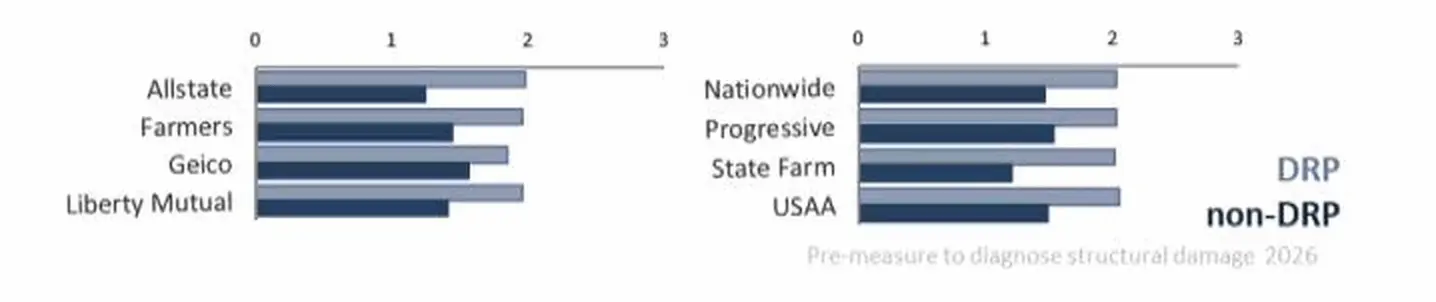
DRP shops are paid more often, at every insurer
On the pre-measure, DRP shops report being paid always or most of the time between roughly 65% and 77% of the time, depending on the insurer. Non-DRP shops report 36% to 50%. At State Farm, the DRP figure is close to double.
The gap narrows on final verification, mostly because the DRP numbers come down, to a range of 40% to about 70%. Non-DRP shops report 30% to 38%. Between 37% and 47% of them, depending on the insurer, say they are never paid for it at all.
The report notes that DRP breakdowns carry a wider margin of error than the survey overall, because of smaller sample sizes.
What to keep in the file
To document that an operation is required, the report points shops to OEM repair procedures, available through automaker websites or third-party services such as ALLDATA, Mitchell TechAdvisor, CCC ONE Repair Methods, I-CAR's Repairability Technical Support Portal, and OEC RepairLogic.
Anderson goes further on structural jobs. On any vehicle that has had structural repairs, he said, the shop should keep photos of the process and a copy of the print-out in its files, in case an issue comes up later.
That print-out is part of the final verification procedure — the one 45% of shops have never asked to be paid for.
The full Frame & Mechanical Operations Report is available to download now.