

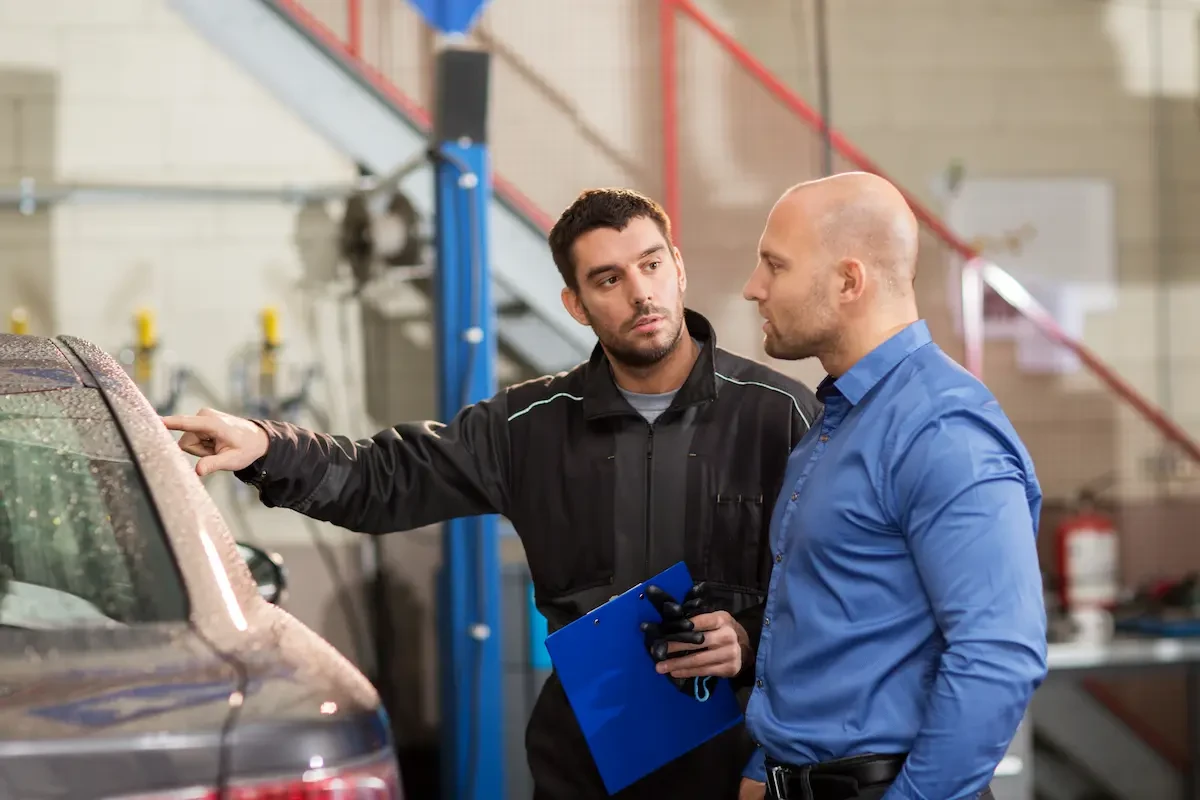
A customer brought a newer vehicle to Brightpoint Auto Body needing a substantial repair. The problem: no coverage for the damage and no way to pay for everything at once.
Many shops would have written the full estimate and sent the customer on their way. Brightpoint’s team started asking questions.
They learned the customer didn’t need the vehicle restored cosmetically right away. They needed it drivable until they could afford the rest. Brightpoint repaired the suspension and wheel and performed an alignment for approximately $3,000. Four months later, the customer came back for the cosmetic work.
Why? “We were the only shop willing to work with them,” said Mike Hritzak, director of operations for Brightpoint, a Memphis, TN-based automotive services holding company with 35 locations.
It’s a case study in a philosophy Hritzak is working to instill company-wide, one his team hears constantly: “Nobody window shops collision repair.”
The Nuance: Need First, Shopping Second
Manuel Rubio, owner of Miracle Body & Paint in San Antonio, TX, the best-reviewed shop in the Lone Star state, agrees with the premise, with one distinction.
“They don’t shop before they need the service," Rubio said. “But they definitely shop around once a need surfaces.”
So, the customer at your counter already needs a repair. Your job is to give them a reason to leave the keys.
Every Customer Has a Reason
Unlike a browser in a retail store, collision customers show up because something happened. “Every customer that comes to us has a reason and/or need,” Hritzak said. “Solving the customer’s need, whatever that may be, is our job.”
Those needs vary. Rubio said a customer may want help navigating an insurance claim, advice on repair options, flexibility on scheduling, or simply an estimate. Some are weighing paying out of pocket instead of filing a claim. The first step is finding out what they’re actually trying to accomplish.
“Call it shopping or call it consumer research, they are gathering information to help them pick the best shop that will address their needs and solve their problems,” Rubio said.
A Repair That Fit the Goal
Another Brightpoint customer had damage to the rear bumper, tail lamp pocket and tail lamp on a vehicle headed to a family member. No ADAS systems were involved in the damaged area. Instead of defaulting to a conventional full repair, the team sourced a used bumper cover in the same color and reworked the tail lamp pocket so the lamp would fit properly. Hritzak said the vehicle was safe. The job came in around $1,000, versus quotes as high as $2,500 the customer had received elsewhere.
“The customer was thrilled,” he said.
Sometimes a full repair is the only appropriate option, and Brightpoint may even tell a customer a repair isn’t the best investment. Those conversations can still win the job.
“There are also times where we cannot do anything but a full repair, but since we talked about options or may have even told customers it might not be the best investment, we end up earning their business because we listened and tried to work with them,” Hritzak said.
Take Care of the Person First
Brightpoint starts coaching employees on relationships and sales from day one. “People want to do business with people they appreciate, trust, like and/or respect,” Hritzak said. “We coach our teams to take care of the person first.”
That can start with a question that has nothing to do with the vehicle: Was everyone OK after the accident? “That is what matters the most,” Hritzak said.
From there, employees move to the transactional questions: Is insurance involved? Who is paying? What’s the deductible? Then they find out what matters most to this customer, whether that’s warranty, color match, parts selection, cost or scheduling.
That’s the difference between providing information and earning the repair, Rubio said. “What makes a difference in capturing the job is to pay attention to the consumer’s needs, ask them questions to help clarify your suggestions and provide them expert options that accomplish their objectives.”
Don’t start by deciding what to sell. Start by finding out what problem needs solving.
“Nothing Happens Until Something Is Sold”
Customer-first doesn’t mean sales-shy. Hritzak pairs the window-shopping line with another reminder: “Nothing happens until something is sold.”
“You can write all of the estimates you want, but if you don’t find a way to connect to the customer and get the keys, it is all for naught,” he said. Until the customer commits, the shop hasn’t earned the repair, so the estimate is more than an administrative step before production.
Rubio said attitude matters here. Customers compare providers the way they would for landscaping, electrical, plumbing or HVAC work, weighing service culture, price, and options. Having a need doesn’t guarantee you the job.
Hritzak also makes the stakes concrete. Every opportunity that reaches the shop has already cost money. He estimates Brightpoint’s customer acquisition cost at about $150 per customer, including advertising, association fees, and concessions made to secure business partners. His question to employees: Would you knowingly throw away about $150?
Measure What Happens After the Estimate
Brightpoint doesn’t leave conversion to instinct. The company sets capture-rate goals, establishes follow-up schedules and audits results. Market leaders spot-check both customer follow-ups and in-person interactions.
Employees are also encouraged to ask what it would take to earn the customer’s business now, rather than handing over an estimate and waiting. A customer who leaves without scheduling isn’t necessarily lost, but Hritzak doesn’t want his team assuming they’ll return on their own. The conversation continues.
That makes capture rate more than a number. It’s feedback on how well the team connects with customers, identifies needs, and communicates a solution. Across 35 locations, it also gives Brightpoint a way to coach, measure and reinforce the same behaviors everywhere.
Be the Right Shop
For independent and regional shops, it’s tempting to focus on the advantages larger organizations have. Hritzak prefers to focus on what his team controls: listen, understand the problem, explain the options, find a workable solution when one exists, follow up, and never confuse producing an estimate with earning a repair.
Rubio frames it as a question: “Are we the right shop for them?”
“We’re going to try to be,” he said. “That’s why we work every day, to try to be the right shop for as many consumers as possible, every single day.”
Brightpoint’s first customer shows what that looks like. The shop didn’t capture the whole repair that day. It captured the customer’s trust, and four months later, the rest of the repair followed.
Takeaways for Your Shop
- Ask what the customer needs before you write what they might want.
- Start with the person: “Was everyone OK?”
- Offer options, including phased repairs and alternatives to a full repair, when they’re safe.
- Know your customer acquisition cost, and treat every lead accordingly.
- Set capture-rate goals, schedule follow-ups, and audit both.
- Ask customers what it would take to earn the job now.




Leona Scott