

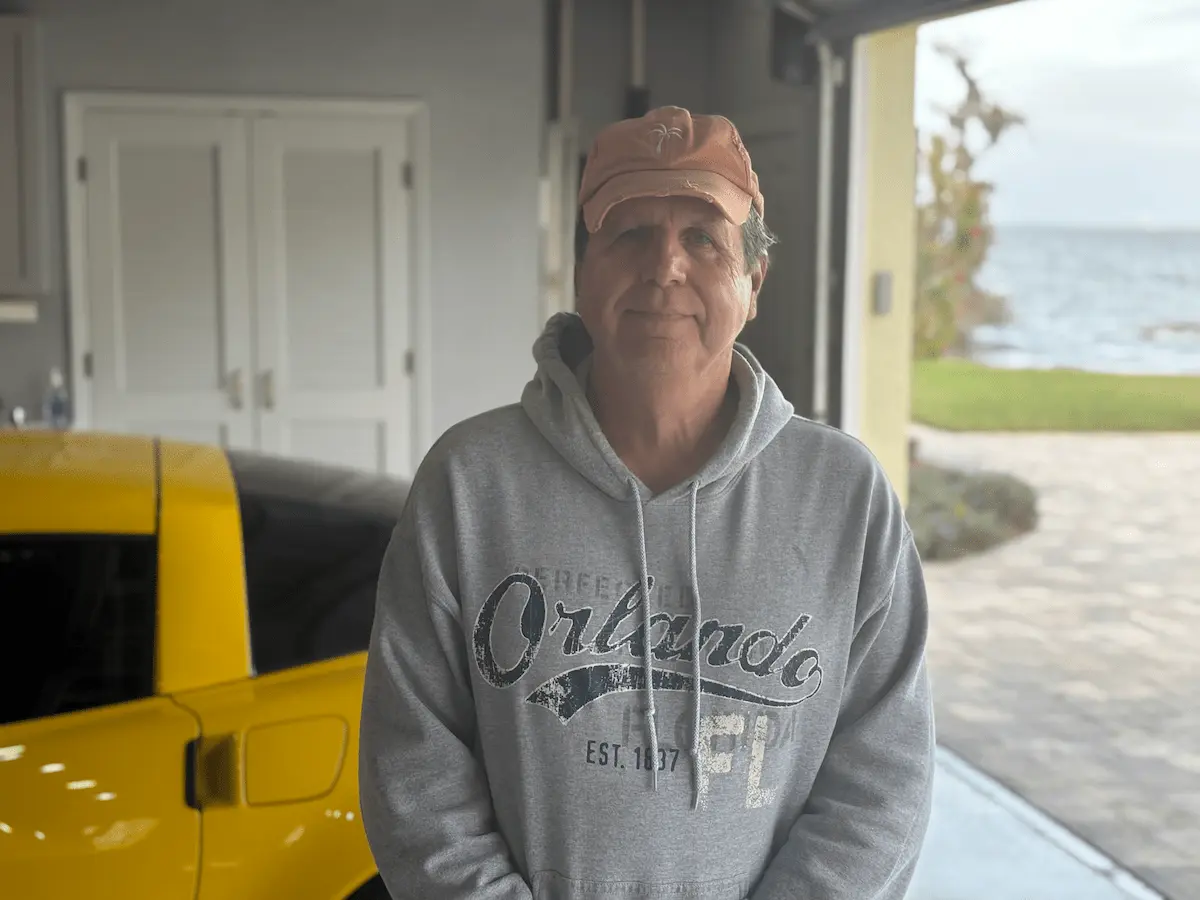
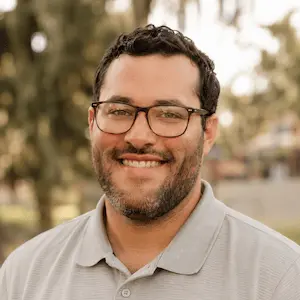
When Rafael Mijares joined Community Collision Centers in Leesburg, Florida, as director of operations in April, he wasn’t looking to overhaul a struggling business.
The two-location collision repair operation already had experienced technicians, established customer relationships and a reputation for quality repairs. But as the company prepared for future growth, owner Larry Jaskowiak recognized that maintaining consistent operations across multiple locations would require additional leadership.
For Mijares, 32, the priority wasn’t making changes. It was understanding what was already working.
“Wait a couple of months, observe the staff, assimilate into the culture was my first plan,” Mijares said.
That approach revealed an opportunity familiar to many collision repair businesses: Employees performed necessary repair operations but didn’t consistently document them. The result was lost revenue.
Finding revenue already in the shop
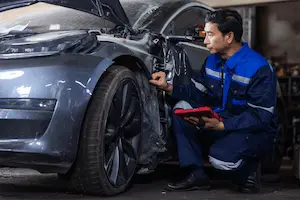
Mijares discovered that estimators carried much of the responsibility for documenting repairs, including photos of in-process operations. They were also managing customer communications, supplements, estimates and production.
“Unfortunately, it was too much of a burden on the estimator,” he said.
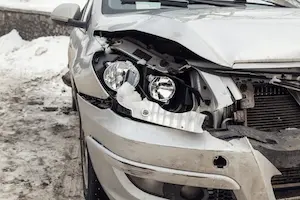
Missing documentation meant the business wasn’t always getting paid for work technicians had already completed. The individual amounts were small, “a couple tenths here, a couple tenths there,” Mijares said, but across hundreds of repairs, they added up to thousands of dollars.
“That was the biggest opportunity center for us ... to capture and get credit for the work that we’re already performing,” he said.
His solution wasn’t to add another administrative position. Instead, Community Collision spread documentation responsibilities across the production team.
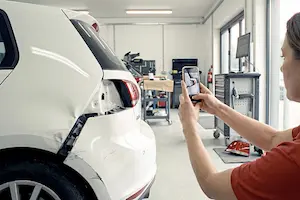
Employees now use the CCC mobile app to capture photos and document operations as repairs progress. The company built those requirements into its quality control procedures and standard operating processes. Instead of waiting for an estimator to gather documentation after the fact, the employee doing the work captures it in real time.
Mijares framed the change for employees in simple terms.
“The easiest way to increase sales and for you guys to get paid what you deserve is just to get credit for the things that you’re already doing,” he said.
He said the change has improved estimate accuracy and captured more billable operations. It has also contributed to improvements in sales, cycle time, and parts returns.
Jaskowiak has noticed the financial impact.
“We have already seen pick up on GP margin and much cleaner file closings,” he said.
To reinforce accountability, Mijares audits roughly 20 to 25 repair files each month, checking documentation, process adherence and compliance. The goal is to catch gaps before they become recurring problems.
Building processes around people
For Mijares, improving operations doesn’t mean handing down procedures without consulting employees.
Community Collision has experienced staff in estimating, parts, customer service, and production. Rather than asking everyone to handle every responsibility, Mijares has worked to identify individual strengths and narrow roles accordingly.
“We make those individuals the de facto subject matter expert in their respective field,” he explained.
Those employees then help guide coworkers and maintain consistency within their areas. The company also reinforced morning release meetings at both locations to coordinate work and head off potential issues.
When Mijares developed updated SOPs, he circulated drafts to employees and asked for feedback before implementation. Instead of “This is what we’re doing,” the message was “What do you guys think?”
“A lot of changes were made ... by the individuals that would be assuming those roles,” he said.
That participation built buy-in without sacrificing the collaborative culture Jaskowiak had established. Mijares believes it works because employees understand the reasoning behind the changes and can see the results.
“One of our biggest models is if you got the right people in place, get out of their way, let them do their job,” he said.
Preparing for the next stage
Jaskowiak acknowledges that hiring a director of operations may have come somewhat early for a two-location business. But he believes preparing leadership before expansion beats reacting after problems develop.
And expansion is the plan. Community Collision intends to grow through acquisition into a small MSO network, and Mijares hopes the company will have more than two shops by this time next year.
As that happens, Jaskowiak expects to spend more time on construction projects, business development, and client relationships. That makes having someone close to daily shop operations increasingly important.
“Our site managers are solid,” Jaskowiak said, but rising volume and complex customer decisions can create situations that require additional support.
Mijares also brings a different perspective. Jaskowiak values his comfort with technology, software, and changing customer expectations, particularly as Community Collision works to attract younger consumers.
The relationship benefits both men.
Mijares began his collision repair career at 18, sweeping floors and helping with parts. Over 11 years with one company, he worked his way through parts, estimating and assistant management before managing his first shop in his mid-20s. There, he helped grow a seven-person team to 17 employees. All while serving six and a half years in the U.S. Marine Corps Reserve.
After his son was born, he wanted a workplace closer to home that prioritized family and professional development. He was also looking for a mentor.
His first meeting with Jaskowiak was scheduled for an hour. Their conversation lasted four hours. There wasn’t even a position open yet.
“I just knew I had to do whatever it took to come work for Larry,” Mijares recalled.
Now, he’s helping translate Jaskowiak’s decades of experience into repeatable processes that can support additional locations.
Start with blueprinting
For operators looking to improve their own businesses, Mijares recommends examining the blueprinting process before making sweeping organizational changes.
A complete teardown, accurate parts identification, necessary calibrations and sublet operations, adherence to OE guidelines and thorough documentation set the foundation for the entire repair.
“A repair can be made or broken in the blueprinting process,” he said.
A clean, organized blueprint also helps insurers review estimates and supporting documentation without unnecessary follow-up requests. That can reduce approval delays and improve cycle time.
For Community Collision, the immediate goal is proving its processes work consistently at both locations before applying them to future acquisitions.
The broader lesson is that operational improvement doesn’t always require more employees, expensive equipment or dramatic restructuring.
Sometimes, the opportunity is already inside the shop, in work being done but not documented, responsibilities that need clarification, and employees with ideas worth hearing.
For Mijares, getting those fundamentals right is how Community Collision intends to grow without losing what made it successful.

Leona Scott