

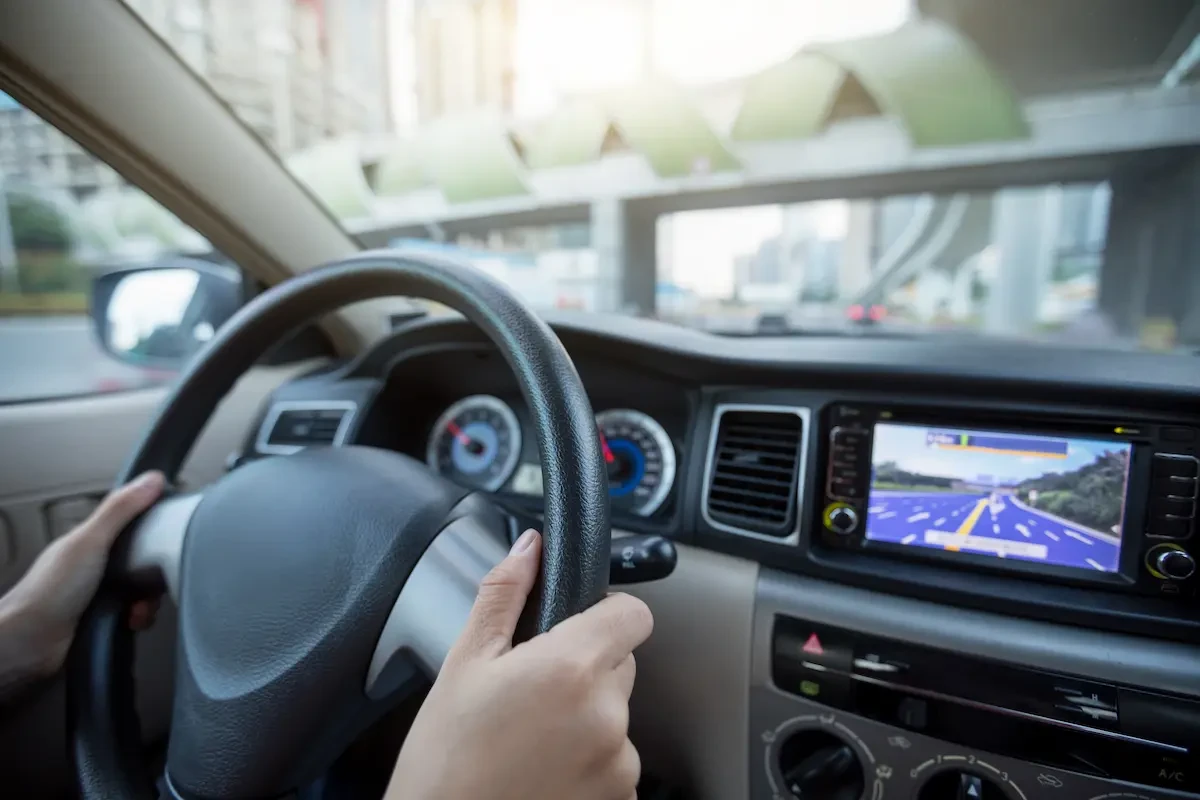
As automakers advance Level 3 automated driving systems, the shift may affect how crash liability is determined and how claims are evaluated, with possible implications for collision repair documentation and repair validation.
Level 3 automated driving allows the vehicle to perform all aspects of the driving task under certain conditions while requiring the human driver to take back control when prompted.GM is currently testing Level 3 driving and Ford plans to introduce an “eyes-off” system on affordable electric models starting in 2028.
Reuters also reported analysts expect Level 3 technology to increase the chances a vehicle manufacturer would be held liable in a crash when the automated system is active.
“At the end of the day, Level 3 technology doesn’t just change how vehicles drive. It changes how repairs are evaluated after a loss. Shops need to be prepared for that reality,” said John Melendez of JDM Collision in Thornton, Ill.
Liability Framework Shifts With Level 3 Systems
According to S&P Global, when a vehicle “under its own control is in a crash,” liability shifts to the OEM or autonomous technology provider. S&P Global Mobility said claims will increasingly depend on electronic records, including timestamped control transitions, software configurations, and system overrides, to determine what occurred at the time of a crash.
Automakers have begun outlining how responsibility may be assigned when Level 3 systems are active. Mercedes-Benz, which offers a production-certified SAE Level 3 system, states that DRIVE PILOT allows the person at the wheel to hand over the driving task “under certain conditions.”
The company also says liability in a road accident depends on the individual case, noting a driver may still be liable if they fail to meet their duties, while the manufacturer may be liable for damage caused by a product defect.
In addition, scrutiny on similar systems is increasing. The National Transportation Safety Board (NTSB) planned a hearing to determine the probable cause of two crashes involving Ford’s BlueCruise hands-free driving system. BlueCruise does require the driver to remain engaged, so it’s not a fully autonomous system.
The National Highway Traffic Safety Administration also recently upgraded its investigation into Tesla’s Full Self-Driving system to an engineering analysis, the final stage before a recall. The investigation is a result of nine accidents that could be possibly tied to the system.
Repair Documentation May Carry Greater Weight
For collision repair shops, that shift places greater emphasis on documentation tied to the condition and functionality of vehicle systems.
As claims increasingly incorporate vehicle data, repair records may be reviewed alongside system logs when insurers and manufacturers assess claim outcomes.
“Repair documentation will become a critical component in liability discussions,” said Melendez, adding that with Level 3 systems, the line between driver responsibility and vehicle control is already blurred.
“If a vehicle was previously repaired, especially involving ADAS components, calibration, or structural areas, documentation could be scrutinized to determine whether the vehicle was returned to OEM specifications. Incomplete or vague documentation could easily shift liability toward the repairer.”
Adoption Projections Signal Growing Vehicle Numbers
Adoption of automated driving technology is expected to expand over the next decade. S&P Global Mobility forecasts that by 2035 there could be 3.5 million Level 3 vehicles and 1.7 million Level 4 vehicles on the roadways.
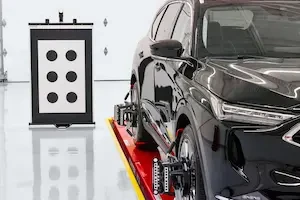
Shops repairing vehicles equipped with advanced automated-driving features may consider maintaining detailed documentation that includes calibration records, diagnostic scans, and references to OEM procedures used during repairs.
“For shops that are already OEM focused, the foundation is there, but the level of detail will need to increase,” said Melendez. “It’s no longer just about proving the repair was done but proving how it was done.”
That includes pre- and post-scans, calibration records, repair procedures followed, and clear documentation of any sublet operations. “Vehicle data will tell a story, and our documentation needs to align with it without gaps.”
He added that for collision repair, the biggest shift will be discipline and consistency.
“Every repair needs to be treated as if it could be reviewed in a liability case. That means strict adherence to OEM procedures, complete documentation, and ensuring that nothing is assumed or skipped. Shops that cut corners or fail to document properly will expose themselves quickly in this environment.”


Lisa McArdle