

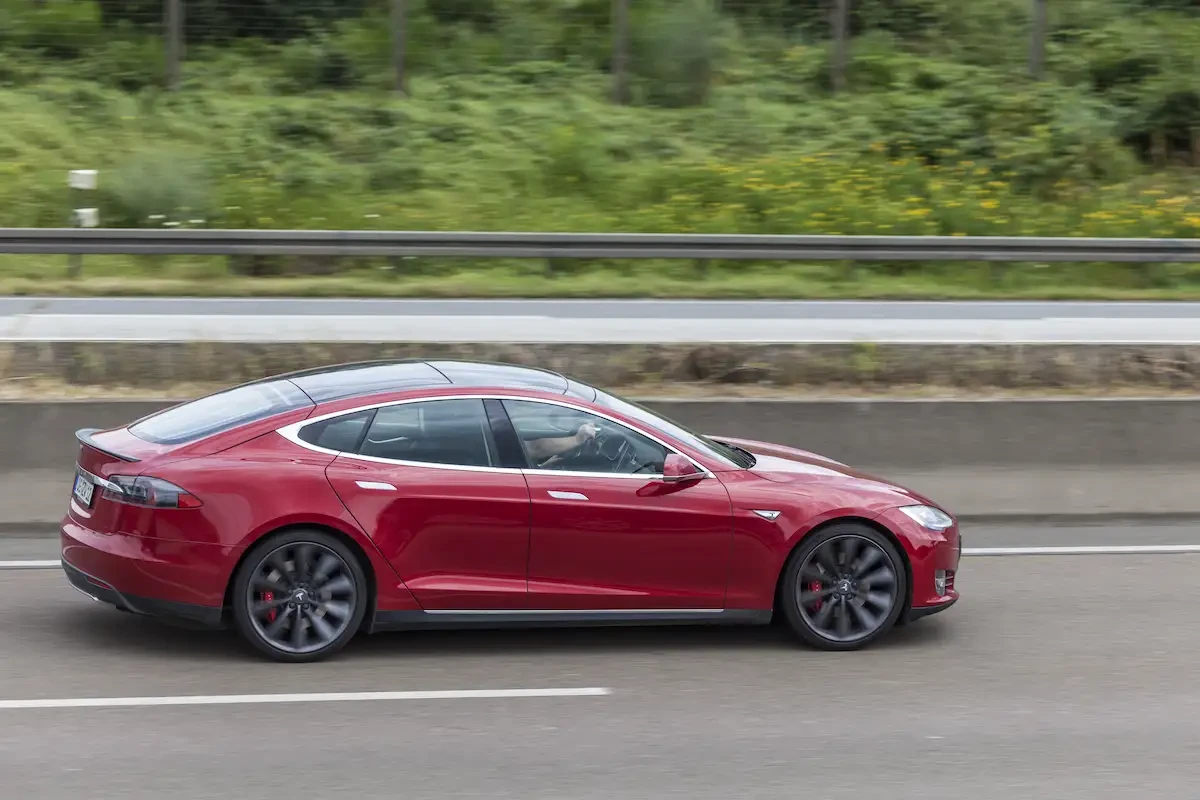
The National Highway Traffic Safety Administration on March 18 upgraded its investigation into Tesla’s Full Self-Driving system to an engineering analysis, the final stage before the agency can pursue a recall. The probe covers approximately 3.2 million Tesla vehicles, including Model S, X, 3, Y, and Cybertruck.
As federal regulators continue to analyze system performance, investigations are focusing on whether the technology detected hazards and whether drivers were given adequate warning to respond. For collision repair shops, especially those who are Tesla-certified, the development adds to ongoing questions about how crashes involving driver-assistance systems are evaluated and what ripple effects that could have on shop liability and more.
Reduced-visibility conditions
NHTSA said the investigation centers on how the system performs in reduced-visibility conditions such as sun glare, fog, and dust. In multiple crashes reviewed, the agency found the system “did not detect common roadway conditions that impaired camera visibility and/or provide alerts when camera performance had deteriorated until immediately before the crash occurred.”
The engineering analysis comes after reports of nine crashes tied to the issue, including one pedestrian fatality and one injury. Regulators are also reviewing six additional incidents that may be related. In several cases, the system either lost track of a lead vehicle or failed to detect it altogether.
Camera-Only System Under Review
The probe places renewed attention on Tesla’s camera-only approach, known as Tesla Vision, after the company removed radar sensors from its vehicles. NHTSA is evaluating whether that system, along with Tesla’s software designed to detect degraded camera performance, functions adequately under real-world conditions.
Tesla recently changed how it delivers its driver-assistance technology, discontinuing its Autopilot offering earlier this year and moving to the subscription-based Full Self Driving model. The company has maintained that its Full Self-Driving system is a driver-assistance feature that requires active driver supervision and does not make the vehicle autonomous.
The engineering analysis builds on NHTSA’s earlier investigation into Tesla’s Full Self-Driving system, which examined crashes involving reduced visibility.
What it means for collision repair
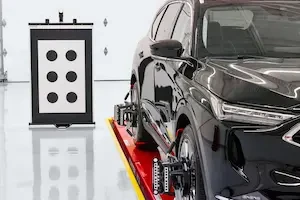
With the increase in federal investigations, federal legislation coming into play around calibration standards,and as questions about liability in these types of crashes remain, collision repair shopsmay need to place even greater emphasis on documenting pre- and post-repair system status, following OEM procedures for ADAS-related work, and clearly noting any visibility or sensor-related damage that could affect system performance.



Lisa McArdle