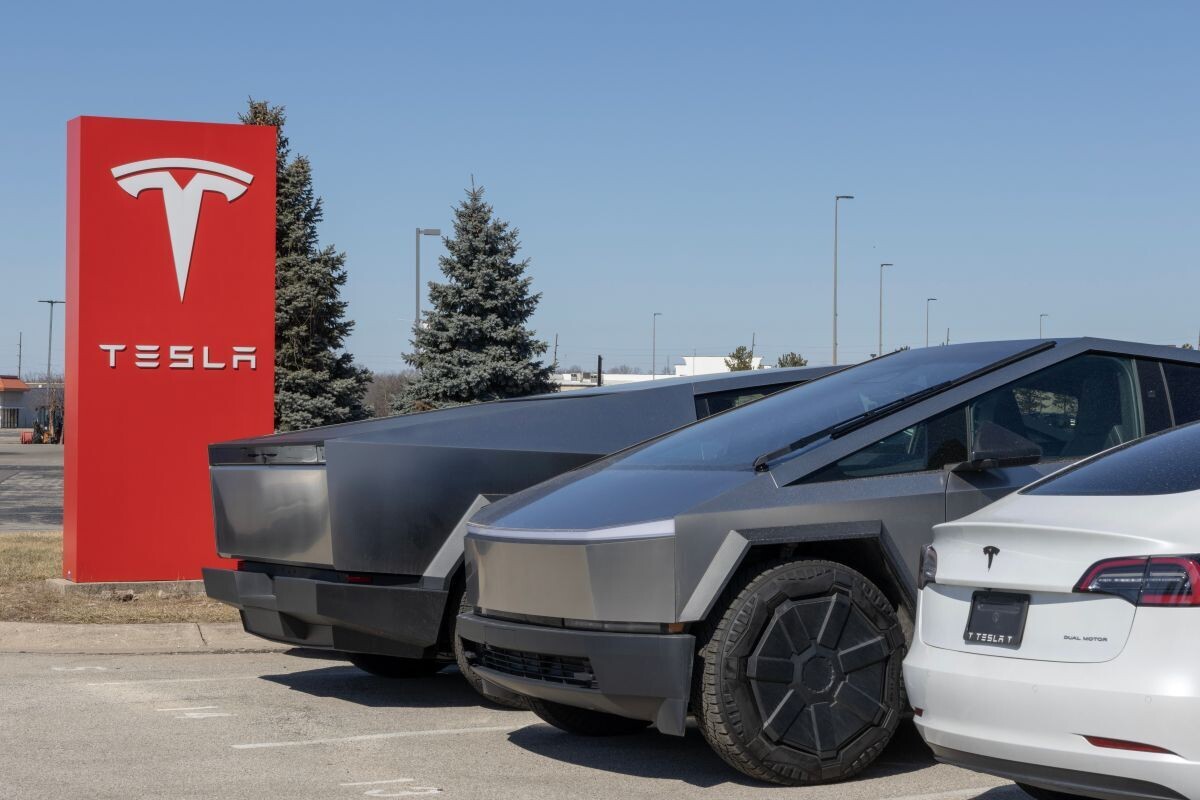
Tesla has discontinued its Autopilot driver-assistance system in North America and moved its Full Self-Driving software to a subscription-only model.
The automaker removed Autopilot from its online configurator on Jan. 22, according to TechCrunch. New Tesla orders now include only Traffic-Aware Cruise Control as standard equipment.
Autopilot had combined Traffic-Aware Cruise Control with Autosteer, a lane-centering feature that could steer the vehicle around curves, TechCrunch reported. New Teslas no longer include Autosteer as standard.
The more advanced Full Self-Driving (Supervised) system, previously available as an $8,000 one-time purchase, will be accessible only through a $99 monthly subscription after Feb. 14, CEO Elon Musk announced on X.
Regulatory scrutiny alongside low adoption rates
A California judge ruled in December that Tesla engaged in deceptive marketing by overstating Autopilot and FSD capabilities. The California Department of Motor Vehicles, which brought the case, has the authority to suspend Tesla's manufacturing and dealer licenses in the state for 30 days. The DMV stayed the ruling for 60 days to allow Tesla to comply by changing product names.
The ruling adds to ongoing regulatory scrutiny of Tesla's driver-assistance systems. FSD remains the subject of federal investigations, and safety advocacy groups have called for restrictions on the technology.
FSD adoption has been lower than Tesla hoped. Only 12% of Tesla customers had paid for FSD as of October 2025, CFO Vaibhav Taneja said during an earnings call in Oct. 2025.
Tesla's program allowing owners to transfer purchased FSD to a new Tesla ends March 31, according to the company's website.
Lemonade launches insurance tied to FSD usage
The same week Tesla discontinued Autopilot, insurer Lemonade announced a product for Tesla FSD users. The "Autonomous Car insurance" offers approximately 50% lower per-mile rates when FSD is engaged, according to a company press release.
Lemonade President Shai Wininger said the offering is the result of a technical collaboration with Tesla that provides access to vehicle telemetry data, allowing the insurer to distinguish between miles driven by FSD and miles driven by humans.
The product launched in Arizona on Jan. 26 and launches in Oregon in February. Tesla's own insurance offers up to a 10% monthly discount for drivers who use FSD for more than half their miles.
What this could signal for the industry
The immediate operational impact on collision repair shops is limited — Tesla-certified facilities already see exactly what software features are active when they scan a vehicle.
But Tesla's move is a unique one: ADAS capabilities that can be switched on or off remotely based on subscription status. The hardware remains the same; the software access changes. Ford, GM, and BMW have all experimented with subscription-based vehicle features in recent years.
Lemonade's new product shows insurers are beginning to price policies based on which ADAS features are actively engaged, not just which features are installed. That's a new variable that could eventually affect how claims are valued or repairs are authorized.
Calibrations already appear on 35.6% of DRP estimates, according to CCC Intelligent Solutions' Q4 2025 Crash Course report. As ADAS complexity continues to increase, how those features are sold and insured will matter more.