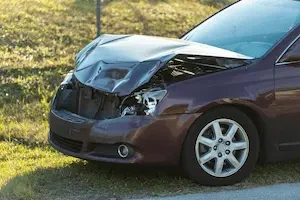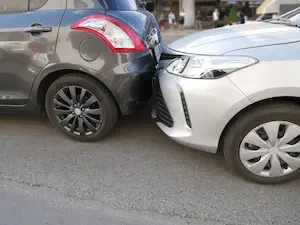
Stacking multiple crash avoidance technologies on the same vehicle produces compounding reductions in insurance claims, according to a new study from the Highway Loss Data Institute. But the crashes that remain tend to be more expensive, reinforcing a pattern collision repairers have been watching play out for several years.
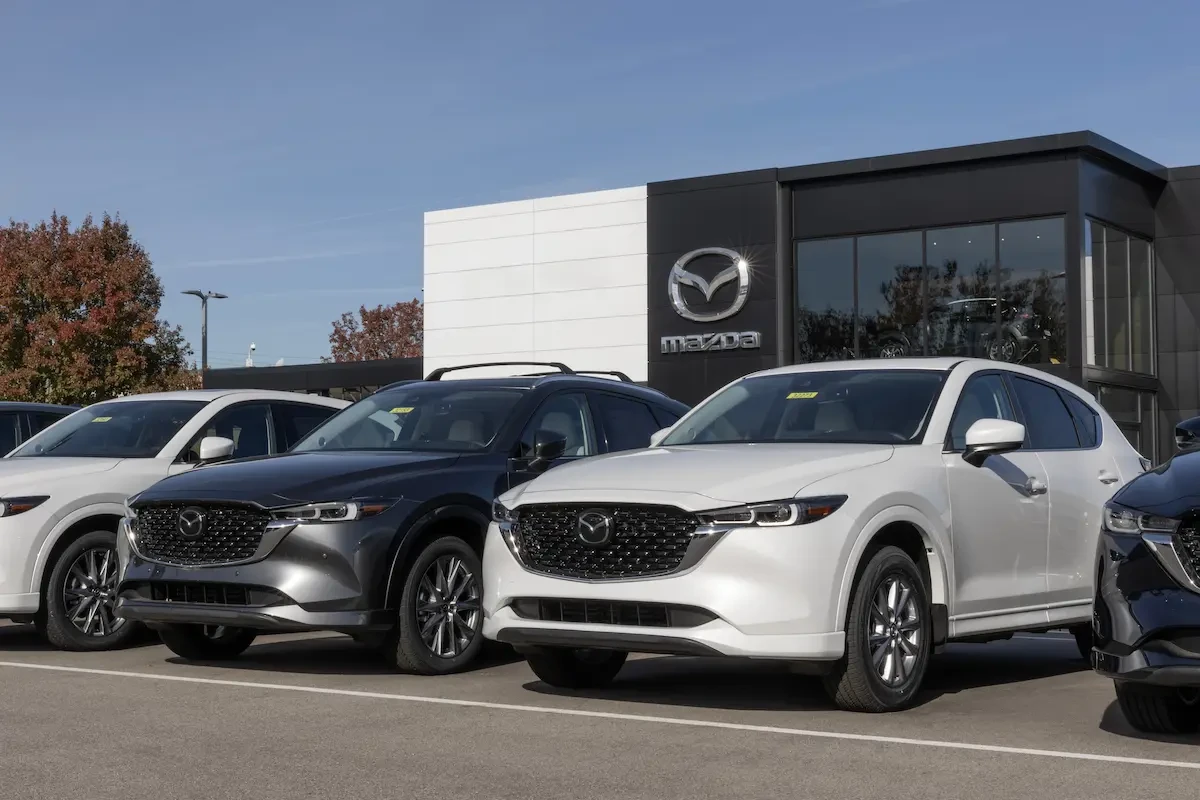
The study, released March 26, examined six feature bundles and four standalone systems across 2015–2023 Mazda vehicles. The most basic bundle, which included front automatic emergency braking with forward collision warning, was associated with a 13% reduction in property damage liability claims and a 9% reduction in bodily injury claims.
The most comprehensive bundle, which added pedestrian detection, adaptive cruise control, high beam assist, lane departure warning and prevention, rear automatic emergency braking, and a driver attention alert system, was associated with a 39% reduction in property damage claims. Bodily injury claims dropped 21%, though HLDI noted that result was not statistically significant.
Fewer claims, but higher average cost per repair
While claim frequency fell, average claim severity rose. HLDI attributed that to the types of crashes being prevented.
Matt Moore, chief insurance operations officer at HLDI and the Insurance Institute for Highway Safety, said in a press release that crash avoidance systems primarily prevent collisions that happen at lower speeds. Eliminating those lower-cost claims from the pool shifts the average cost upward on the claims that remain.
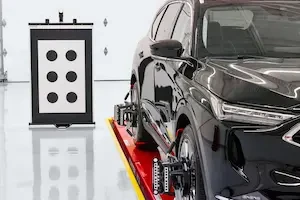
That dynamic is one collision repairers have been tracking for some time. Repairable claims were down 10.4% through August 2025 compared to the prior year, according to CCC Intelligent Solutions data, while the proportion of estimates that included at least one ADAS calibration reached 35.6% in the third quarter — up nearly nine percentage points in 12 months.
The HLDI findings add manufacturer-specific data to that broader industry picture. Fewer vehicles are entering the repair stream, but the ones that do arrive require more diagnostic work, more calibrations, and more labor hours per job.
Rear AEB and updated front AEB showed the strongest individual results
Two technologies stood out in the study. Updated front AEB systems with pedestrian detection showed improved performance in preventing vehicle-to-vehicle crashes compared to earlier versions of the technology. Rear AEB was particularly effective at eliminating low-speed parking lot collisions, which represent a significant share of insurance claims.
Blind spot monitoring with rear cross-traffic alert also showed meaningful results, with nearly 10% fewer property damage claims and 13% fewer bodily injury claims.
When frequency and severity were combined into overall loss calculations, which most directly affects insurance costs, nearly all of Mazda's ADAS bundles were associated with lower total losses under property damage coverage according to the study.
Data from the shop floor already reflects the shift
The pattern the HLDI study describes is showing up in other industry metrics as well. Diagnostic scans now appear on 87.7% of collision repair estimates, according to CCC Intelligent Solutions. A separate Revv benchmark study found that roughly 61% of vehicles arriving for collision repair require some form of ADAS calibration, suggesting the gap between what vehicles need and what estimates capture remains significant.
Cycle times reflect the added complexity. Vehicles from model year 2019 and newer with three or more ADAS features averaged 21.5 days in the repair process, compared with 17.9 days for pre-2015 vehicles with no ADAS features, according to J.D. Power's 2025 U.S. Auto Claims Satisfaction Study.
Kay Wakeman from HLDI described this dynamic at the 2024 Women's Industry Network conference, noting that ADAS systems working at lower speeds eliminate many low-dollar claims from the data set. This leaves higher-dollar claims as a larger share of total volume, pushing average severity upward even when total losses are declining.
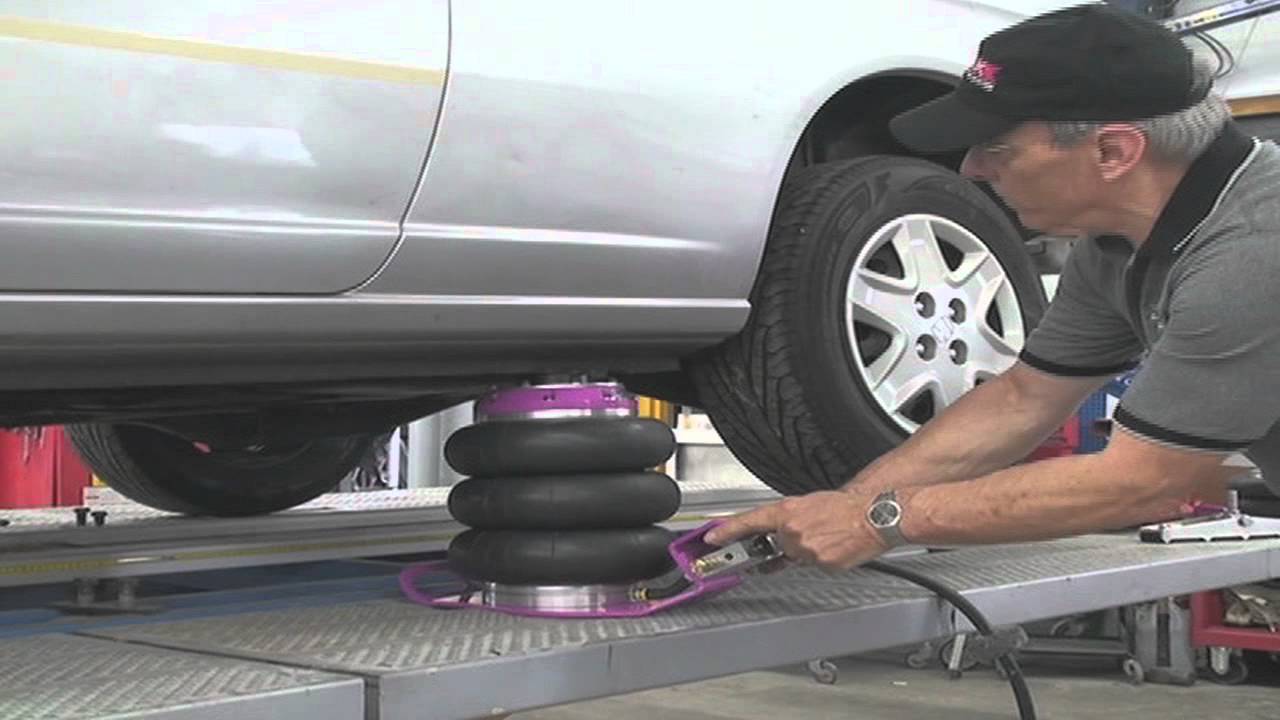
For shops, the practical takeaway is that the work entering the repair stream is shifting in composition, not just volume. Shops equipped to perform calibrations in-house may see a competitive advantage as the proportion of ADAS-intensive repairs grows. Those still outsourcing calibration work face longer cycle times and additional costs that may be difficult to sustain as lower-complexity jobs continue to disappear from the mix.