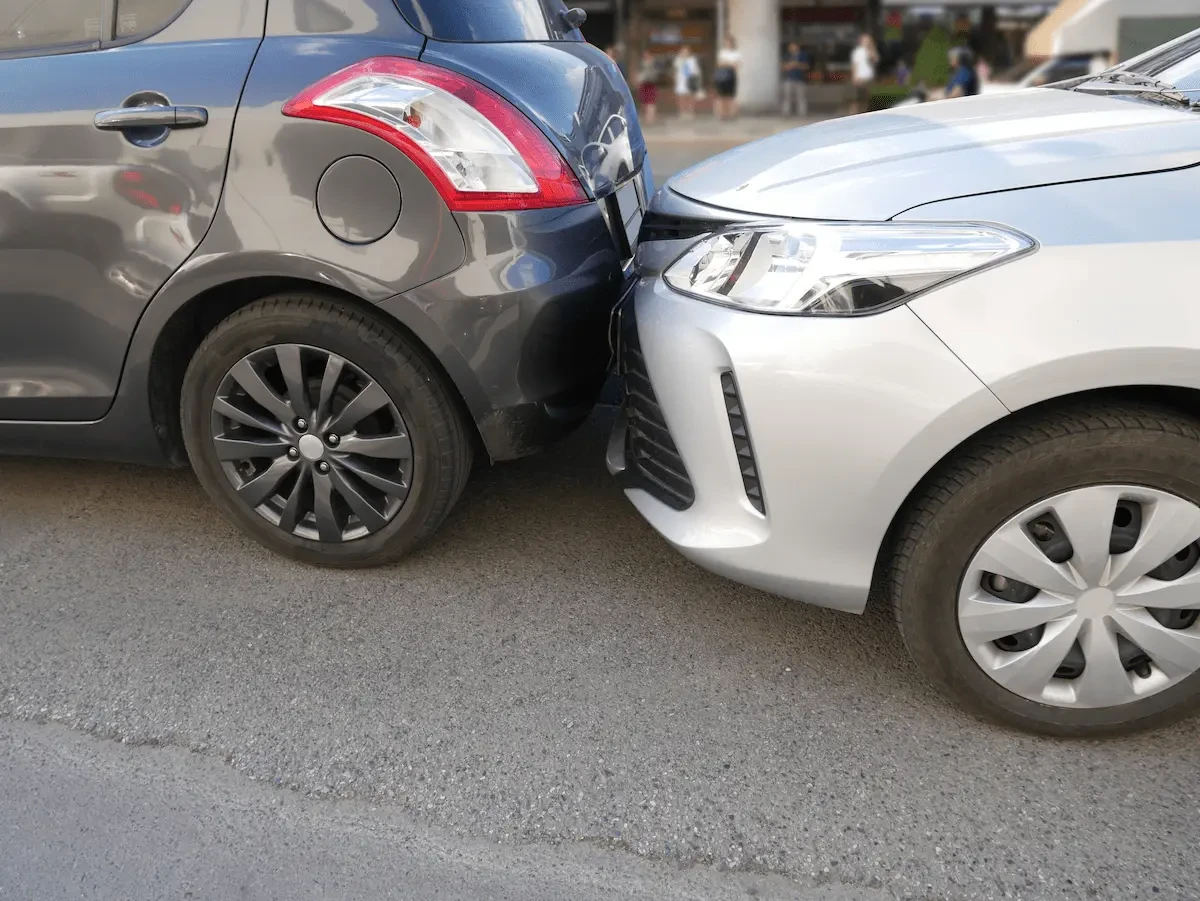
Half of U.S. consumers who carry auto or home coverage say they've skipped at least one eligible claim, either by never filing it or by not following through, according to a LendingTree survey published Sept. 28.
Car insurance was involved in 73% of claim avoiders' most recent decisions to forgo a claim, compared with 27% that involved a homeowners policy.
Among Gen Z policyholders ages 18 to 29, 84% said they had passed on a claim, compared with 63% of millennials, 40% of Gen Xers, and 27% of baby boomers.
Why policyholders hold back
Worry about a rate hike was the most-cited reason, at 24%. Next came costs that fell under or barely over the deductible (23%) and damage or expenses respondents considered too small to report (22%). Thirteen percent said a professional, such as an insurance agent, contractor, or repair shop, advised against filing.
Nearly three in four claim avoiders (73%) said they likely would have gone ahead with a claim had they known filing would leave their rates, discounts, policy renewal terms, and ability to get coverage later untouched.
LendingTree insurance expert Rob Bhatt said fault affects how much auto insurance claims move premiums.
"For car insurance, a claim over something that wasn't your fault usually has a smaller impact on your rates than claims over accidents you cause," he said. "For example, some companies won't raise your rates over a small comprehensive claim for damage to a window or vandalism. A claim from an accident caused entirely by another driver usually doesn't increase your car insurance rate either. However, most states have partial-fault laws. Your rates may go up if your insurance company had to pay for a portion of your repairs due to your partial fault."
What consumers do instead
Thirty-four percent of claim avoiders paid $1,000 or more themselves, and 15% spent at least $2,500.
Respondents who skipped a claim most frequently fixed the problem on their own (29%). They also reported paying the entire cost themselves (23%), choosing a less expensive fix (20%), or never making the repair (18%).
Bhatt said an accident appearing on a vehicle history report can lower a car's resale value. "Paying for minor damage yourself helps keep a small fender bender that you've fixed from reducing your car's resale value," he said.
Claim avoiders were divided on whether skipping the claim paid off. Thirty-seven percent regret passing on the claim, while 40% believe they chose correctly. Just 16% said they experienced no clear negative effects, and 18% said the issue worsened.
A separate LendingTree survey from 2024 found 39% of insured drivers involved in a crash or other incident covered repair costs themselves instead of going through insurance.
Filers report mixed results
Forty percent of policyholders said they had filed an auto or home claim within the last five years. On their most recent claim, 46% of those filers said the insurer's payment matched their expectations, and 33% said they received less than anticipated. Twenty-six percent said the insurer denied a claim, and 27% said filing led to a premium increase.
QuestionPro conducted the online survey for LendingTree, polling 2,000 U.S. consumers Aug. 5-9. The sample was nonprobability-based, with quotas used to approximate the general population.