

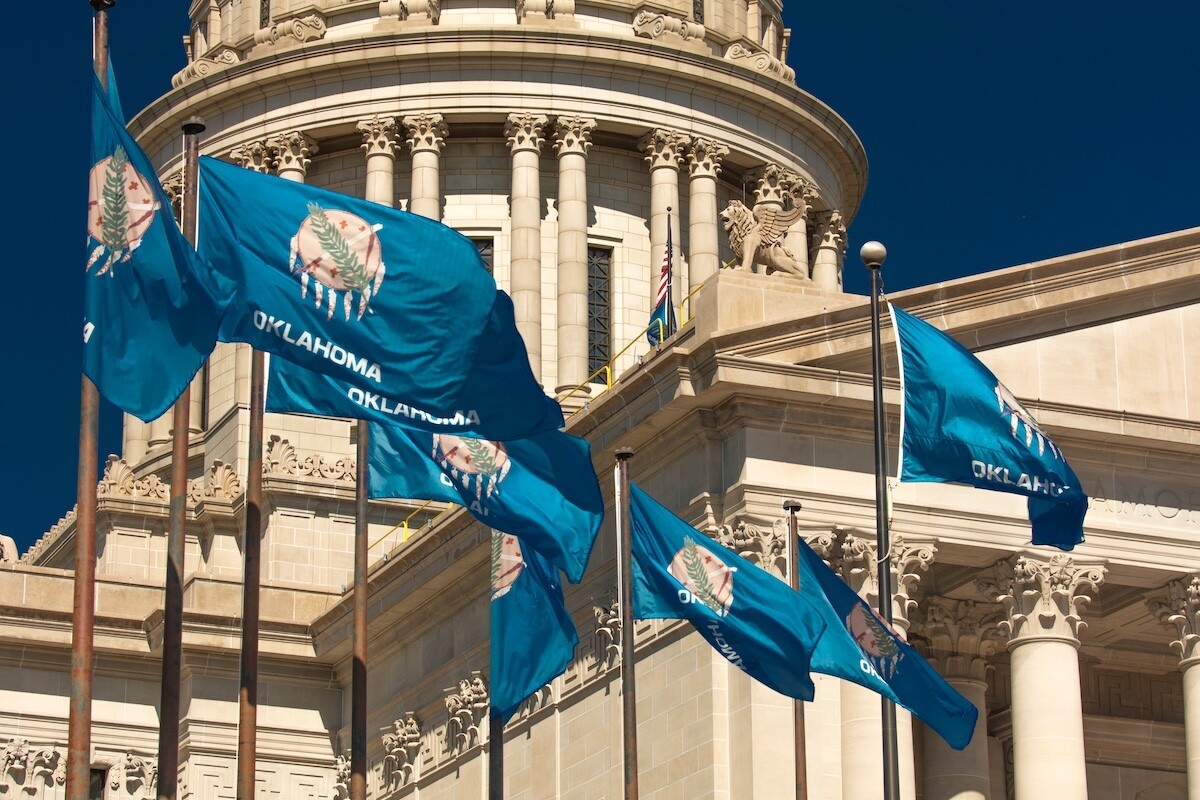
Lawmakers in Oklahoma have advanced legislation that would increase the state’s salvage title threshold to 70% of a vehicle’s actual cash value (ACV), a move that could affect total loss decisions, repair-versus-replace calculations, and downstream collision repair economics.
The Oklahoma Senate Bill 1920 (SB 1920) increases the damage threshold at which a vehicle must be branded with a salvage title from 60% to 70% of its fair market value before repair. If enacted, the bill's effective date has not yet been confirmed.
The bill was authored and sponsored by Sen. Aaron Reinhardt (R-District 37), and co-authored by Rep. Mark Tedford (R-District 69). It passed the full Senate in a vote of 48-0 on Feb. 23 and was transmitted to the House the following day, where it now awaits committee assignment.
The legislation comes from the same two sponsors behind a pair of bills that became law Nov. 1, 2025, and are currently being challenged in court. SB641 capped daily storage reimbursement rates for total loss vehicles, while HB 1084 banned consumers from assigning insurance benefits to auto body shops.
OKABA and multiple body shops in Oklahoma have filed separate lawsuits arguing that both laws are unconstitutional. The injunction hearing, originally expected in late 2025, was moved to January after the state attorney general requested additional time.
What the bill actually changes
In practical terms, vehicles up to 69.99% damaged by cost relative to value would not automatically receive a salvage title under state statute. Vehicles at or above 70% of value in estimated repair cost would require salvage titling.
Insurance companies would still submit damage estimates and notify the owner and Service Oklahoma if damage met or exceeded the 70% benchmark.
This is not a mandate that insurers repair at that level. It sets the point at which salvage branding must legally occur.
Why this matters for collision repair shops
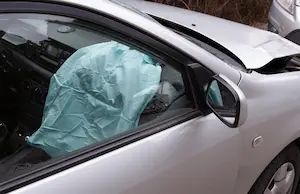
Raising the threshold means vehicles with fairly severe damage (up to nearly 70% of value) won’t be legally forced into salvage status. More vehicles could be repair candidates on paper.
Insurers may choose to repair more of these vehicles if it’s economically rational. However, the statute doesn’t require insurers to repair at this threshold. Carriers still have discretion based on their own total loss formulas, which include rental costs, parts pricing, and depreciated value expectations.
What shops should watch as this moves forward
Even if SB 1920 becomes law, there will be uncertainty, including how carriers integrate the new threshold into their total loss algorithms and what types of damage levels end up back in repair channels.
Collision operators may want to monitor insurer behavior around total loss versus repair decisions post-enactment.


Lisa McArdle