


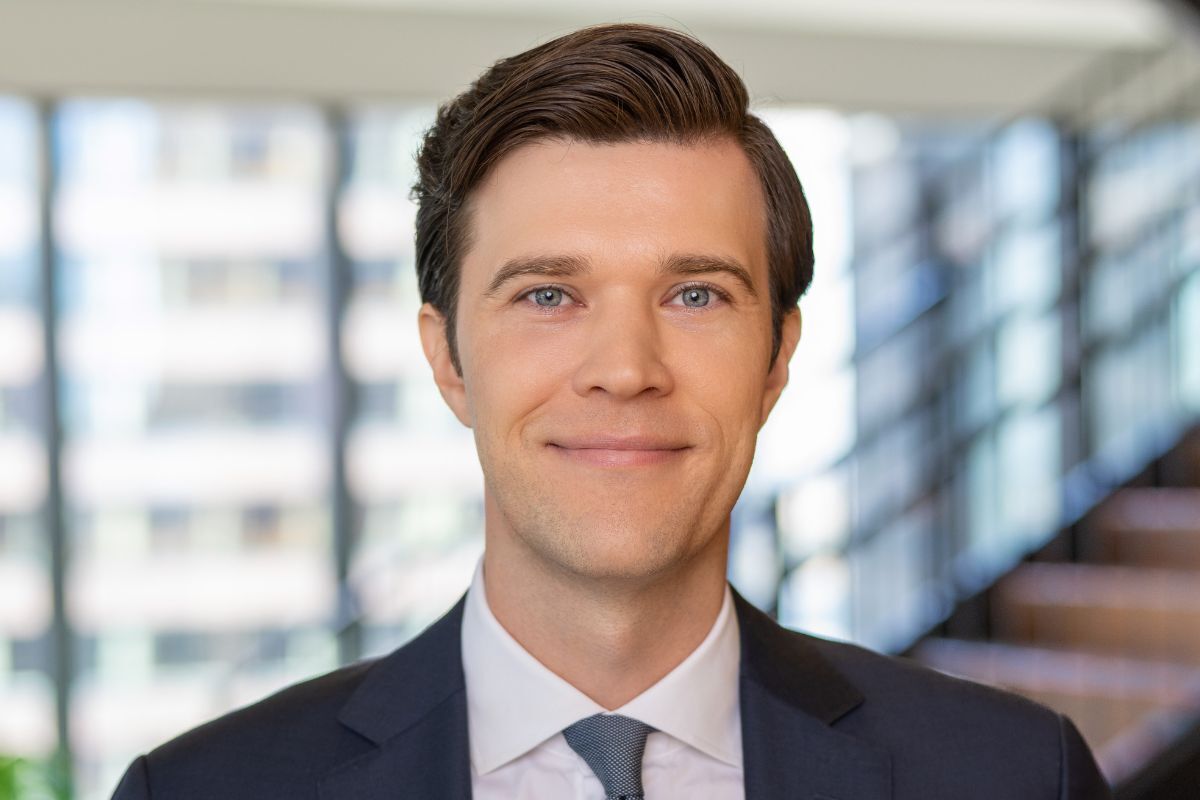
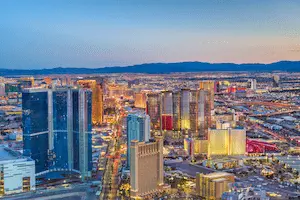
When Michael Normyle, senior director of economic research at Nasdaq, takes the stage at this year’s MSO Symposium on Nov. 3 at the Rio Hotel & Casino, a Destination by Hyatt in Las Vegas, he’ll bring a wide-angle view of the U.S. economy — and helpful information for collision repairers.
In a recent interview with Autobody News, Normyle shared insights on the consumer divide, the ripple effects of tariffs and trade policy, and how artificial intelligence and labor shortages intersect with shop economics. His perspective connects the dots between Wall Street and Main Street body shops.
A Split Consumer Base
Normyle said one of the biggest economic forces shaping the next few years will be what he calls a “bifurcated consumer.”
“We’ve really seen a divide where higher-income households are doing quite well, while lower-income consumers are feeling more pressure,” he explained.
According to Federal Reserve data, the top 10% of households now account for nearly half of all consumer spending. Those households benefit from record equity prices, strong home values and recent tax cuts — factors that make them more confident spenders.
By contrast, delinquency rates for auto loans and credit cards are the highest since the financial crisis.
“The New York Fed found that nearly two-thirds of Americans couldn’t come up with $2,000 in a month for an unexpected expense,” Normyle said. “That’s a relevant number when you think about car repairs that could easily run that high.”
The widening gap has implications for MSOs deciding how to target customers. “People are keeping their vehicles longer, but affordability is tight,” he noted. “Shops will need to understand how to reach both ends of that consumer spectrum.”
Tariffs, Trade Policy and Supply Chain Resilience
 Understanding the economy's direction helps MSOs navigate what’s next for their businesses and customers.
Asked why repairers should pay attention to tariff news, Normyle pointed to the global web behind every replacement part.
“It’s always important to know your supply chain,” he said. “Roughly half of U.S. automotive imports come from Mexico and Canada, and those that meet the 75% North American content rule under the USMCA can be tariff-free. But that still leaves a large portion of imported parts exposed to tariffs.”
The message for MSOs: reassess sourcing. “There’s a balance between cost, availability and resiliency,” he said. “COVID taught everyone that efficiency alone isn’t enough — you need redundancy built in. This might be the right time for repairers to look closer at U.S. suppliers who can offer more consistent availability, even if the cost is slightly higher.”
Markets, Rates and Business Confidence
Despite constant headlines about uncertainty, Normyle said the broader economy remains resilient. “We’ve seen consumer spending and GDP growth pick up, and markets reflect that optimism,” he said.
He pointed out that lower interest rates will help smaller companies in particular. “Small businesses tend to rely more on floating-rate debt, so when rates come down, their interest expenses do too,” he explained. “For MSOs, that can translate into room to reinvest — whether that’s in new equipment, training or expanding facilities.”
He also sees reason for optimism in the long-term demand outlook. “Lower rates stimulate demand, and the tax environment looks supportive. Overall, it’s a constructive backdrop for operators who are planning ahead.”
AI and the Labor Challenge
Technology was another thread throughout the conversation. As vehicles become more advanced, Normyle said MSOs face a dual challenge: keeping technicians trained and finding enough of them.
“Rapidly changing vehicle technology means shops must continually invest in skill development,” he said. “The NFIB’s latest small-business survey shows hiring difficulty remains elevated, and that’s not going away soon.”
When it comes to artificial intelligence, Normyle cautioned that adoption is still early. “Only about 10% of U.S. businesses report using AI to produce goods or services,” he said, citing Census data. “That tells us there’s still a lot of experimentation happening. We’re in the early innings of figuring out how AI can be implemented profitably.”
Larger organizations are further along, he added. “Companies with 250 or more employees have somewhat higher adoption rates because they can make those investments sooner and capture productivity benefits earlier.”
Setting the Stage for the MSO Symposium
Normyle views his keynote as “setting the stage” for deeper industry discussions at the MSO Symposium, which will feature panels on AI, calibration, M&A and repairer data trends.
“My goal is to provide the macroeconomic context,” he said. “Understanding the consumer, the policy environment, and capital markets gives repairers a framework for the decisions they’ll make next year.”
The MSO Symposium will be held the day before the SEMA Show’s Nov. 4 opening day. Attendance is limited to those who meet certain criteria. For more information and to and register, visit MSOSymposium.com.





Leona Scott