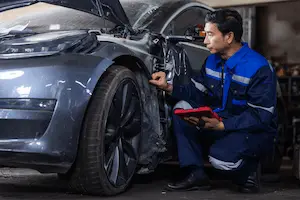
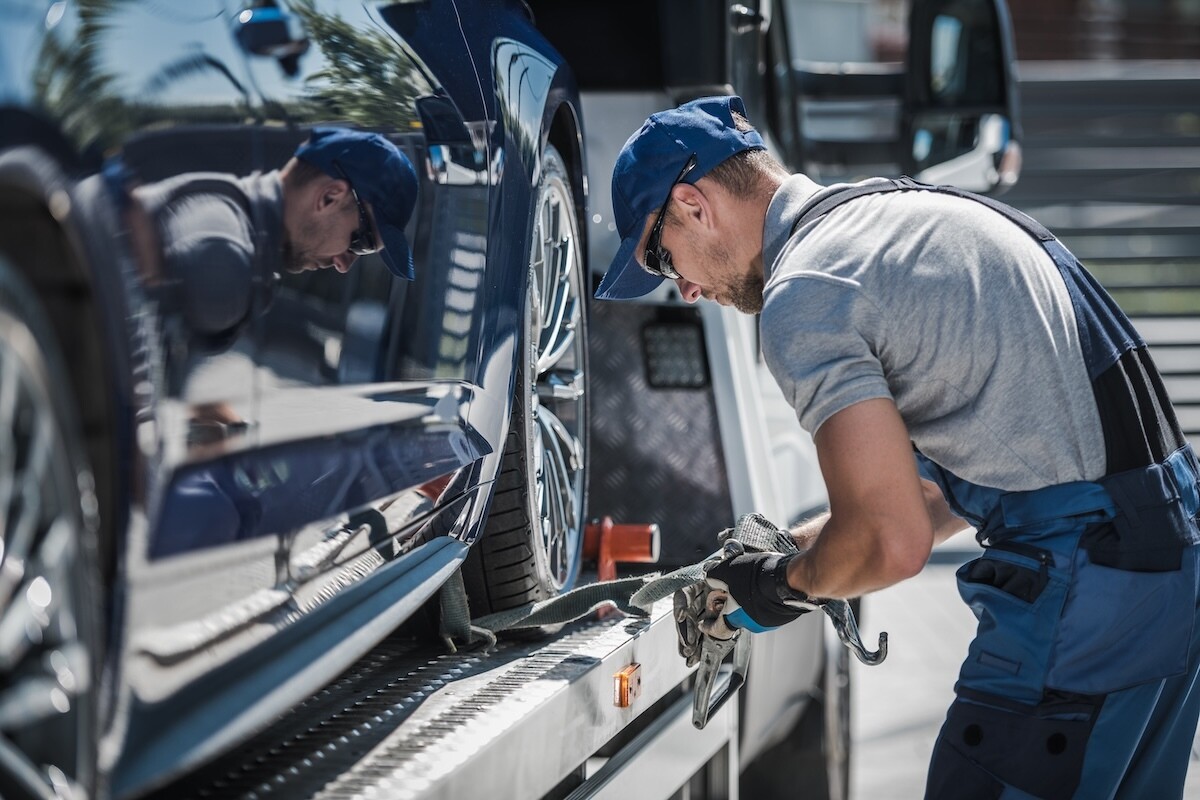
Eight years ago, John Melendez took a chance that many collision shop owners wouldn’t consider. Instead of hiring an experienced technician, the owner of JDM Collision in Thornton, Ill. brought in a tow truck driver with no formal collision repair background and committed to developing him from the ground up.
The investment was significant. It took years of training, education costs, and lost short-term productivity. Melendez jokes that if he added up what he’s spent on that one individual, he could probably retire.
But Melendez doesn’t frame it as a cost. He sees it as a business decision, rooted in the belief that internal development, when done intentionally, can turn non-traditional hires into master-level assets.
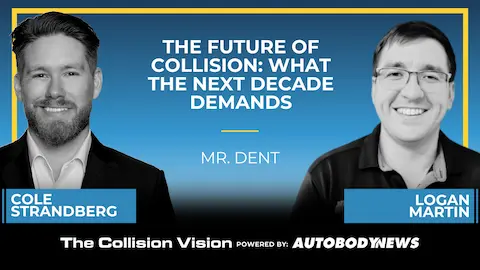
“With young talent coming in, it’s been a struggle,” Melendez said in a recent episode of The Collision Vision podcast. “I’ve put high expectations and I’ve been let down in multiple areas, but I just don’t quit.”
JDM’s long-term bet on development
Melendez didn’t find his future master technician through a traditional collision repair pipeline. Instead, the relationship started through local networking in Lansing, Ill., where JDM Collision worked with a nearby gas station that handled towing and minor mechanical work.
“He worked for a local gas station, which did small mechanical work, and he was their tow truck driver,” Melendez told Autobody News. “They were doing our towing and small miscellaneous stuff. And plus, we would buy our gas from their station, because we were right down the street.”
Melendez said he took notice of Brian long before there was any job opening.
“He was very attentive; he was very respectful. And I caught that,” he said.
Out of respect for the business relationship, Melendez did not actively recruit him. The opportunity came when the gas station owner decided to sell the business and discontinue the mechanical and towing operation.
“The owner called me up and says, ‘I know how much you like Brian. Would you be interested in bringing him on board with your team?’” Melendez said. “And I was like, ‘He’s God sent.’ I said, ‘Absolutely.’”
From the start, Melendez framed the move as a long-term investment, not just a job change. He also made a clear commitment tied to performance and growth
“I sat him down and explained to him, right off the bat, ‘Brian, I’m going to pay more than what you’re making now,’” he said. “Out of respect, you have a great attitude, and I would like you to be part of what we’re going to build here in the future. I promise that as we progress, you will progress as well, and that you would do better and make a better living for you and your family,’” he said.
Melendez said that commitment has paid off. Brian advanced from a non-collision background into a highly trained technician.
“Eight years later, he’s well rounded,” Melendez said. “He’s got more I-CAR certification than Quaker’s got oats.”
Through a combination of I-CAR coursework, General Motors training, and apprenticeship-style mentoring, Brian expanded both his mechanical and collision repair skillsets.
“First of all, learning the concept of collision theory, I think that was the best thing; allowing him to take a car apart and help put the car back together,” Melendez said, emphasizing repetition and hands-on exposure as critical to the learning process. “The repetitiveness of allowing him to take a car apart and put it back together made him that much more well-rounded of a technician.”
Brian also leaned into electronics and diagnostics, often on his own initiative.
“When we started with the scanning processes ... he dove right into that,” Melendez said. “He really got very well rounded in reference to the electronic scanning, identifying the issues at hand that the vehicle may have.”
That willingness to learn created operational value for the shop.
“Now I have somebody who multitasks, and now I don’t have to have a separate technician for that,” Melendez said. “That was another plus added to the business.”
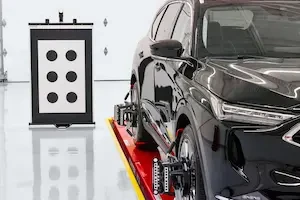
Over time, Brian took on ADAS-related work, alignments, and manufacturer-specific training. Melendez said the training path was intentional and phased.
“I didn’t toss them all at once,” he said. “I did it step by step by step.”
The result was not only professional growth, but personal stability.
“Just two years ago, he was able to buy a house for his family,” Melendez said. “And just recently, he finished his Master Platinum status with I-CAR, and his pay went up.”
For Melendez, the experience reinforced the value of trusting instinct and investing in the right person, even when that path carries risk.
“When you get that gut feeling, that was just one of those instances where I felt he would be an asset to the company and it would be worth the investment,” he said.
He acknowledged that internal development does not always succeed.
“I’ve had other issues like this in the past where they failed,” Melendez said. “I’m very fortunate that this one did not.”
For Melendez, mentorship is ultimately about recognizing character before credentials.
It was about noticing “an individual who cares, and he is empathetic, and he cares for the business, and he appreciates everything that the business is doing, and his growth within the business is something he is proud of himself.”
Why most mentorship programs break down
According to Dan Dutra of the Collision Career Institute (CCI), Melendez’s success is not accidental.
“One of the challenges our industry has faced traditionally is that we’re very focused on technical skills,” Dutra told Autobody News. “And so while people can excel at that, and we've also set up a pay system that rewards productivity and efficiency.”
In flat-rate environments, high-performing technicians can be financially penalized for slowing down to teach. As a result, shops often pair apprentices with top producers, which is an approach Dutra says frequently backfires.
“That guy that's doing 200% on a regular basis, one of the reasons he's doing that is he's probably somebody that's myopically focused,” said Dutra. “But if somebody with him is trying to learn, that's a total disruption. And so it will slow him down. Pretty soon, the mentor sees his paycheck going down. ... and the whole thing falls apart.”
Instead, Dutra said, shops should identify mentors based on communication style, patience, and teaching ability, and not just output – which is how the CCI pairs apprentices with mentors. In many cases, a solid mid-level technician may be better suited to mentorship than a top producer.
Culture and pay plans matter more than skill
Dutra emphasized that mentorship cannot survive in a production-only culture.
“Some shops are all about production, ‘Get the car in, I don’t care ... just get it out,’” he said. “It’s a very unhealthy culture to produce apprentices and train.”
At CCI, Dutra and his team focus on assessing shop culture, mentor readiness, and apprentice learning styles before pairing individuals. The goal is to surface communication tendencies, conflict triggers, and work styles before problems escalate.
“It’s not about technical skills,” Dutra said. “It’s about soft skills of interpersonal communication, interpersonal relations, and conflict resolution because all of those things will rear their heads during the course of a mentorship program.”
Pay plans must also be redesigned to support training. Dutra said successful programs ensure mentors do not take a financial hit and are incentivized as apprentices begin producing hours.
A shift the industry can no longer avoid
Dutra noted that the technician shortage has existed for more than a decade, but awareness is finally spreading beyond a small group of proactive shops.
“It's only the top 2% that are really committed to developing and scaling their own workforce. When things are slow, they don't want to spend any money on education training, because they're trying to conserve money,” he said, adding, however, that the number is growing.
Some have launched internal programs, and I-CAR’s Registered Apprenticeship Program has gained traction by lowering financial barriers for participating shops. Still, Dutra said many programs struggle without the structural components that support mentorship long-term.
“[Shops] know and understand they need to do this and grow their own workforce. They just don't have all the pieces yet,” he said.”
Mentorship as a business system, not a shortcut
Melendez’s experience shows what is possible when a shop commits fully to internal development. Dutra’s perspective explains why those results are difficult to replicate without intentional structure.
Mentorship, both men agree, is not a quick fix for the labor shortage. It is a long-term operational decision that requires cultural alignment, financial planning, and consistent communication.
For shops willing to make that commitment, the payoff may be more than filling a stall; it may be building the technician the industry increasingly depends on.
Is internal mentorship right for your shop?
Internal technician development can pay off under the right conditions. Before committing time and money, shop owners should evaluate whether their operation is structured to support mentorship.
Here are some points to consider:
- How is your shop paid? Mentorship can be hard to sustain in flat-rate or flag-hour environments where productivity directly determines pay. Shops using hourly or team-based pay structures may have more flexibility to absorb the slower pace that training requires.
- Do you have the right mentor (not just the best technician)? High producers are not automatically good teachers. Effective mentors need patience, communication skills, and the willingness to explain.
- Can you protect training time? Training requires scheduled, protected time, especially for live classes and hands-on instruction. Shops unable to step away from daily production pressures may struggle to give apprentices consistent learning opportunities.
- Are you willing to invest without immediate ROI? Internal development is a long-term strategy, not a short-term fix for staffing gaps. Owners expecting fast financial returns are more likely to abandon mentorship before it has time to work.
- Do you have guardrails for training costs? Formal agreements can protect the shop’s investment while keeping expectations clear.
- Does your shop value quality over volume? Mentorship thrives in shops focused on proper repair procedures rather than throughput alone. Specialized and quality-driven shops are more likely to benefit from developing well-rounded technicians internally.