


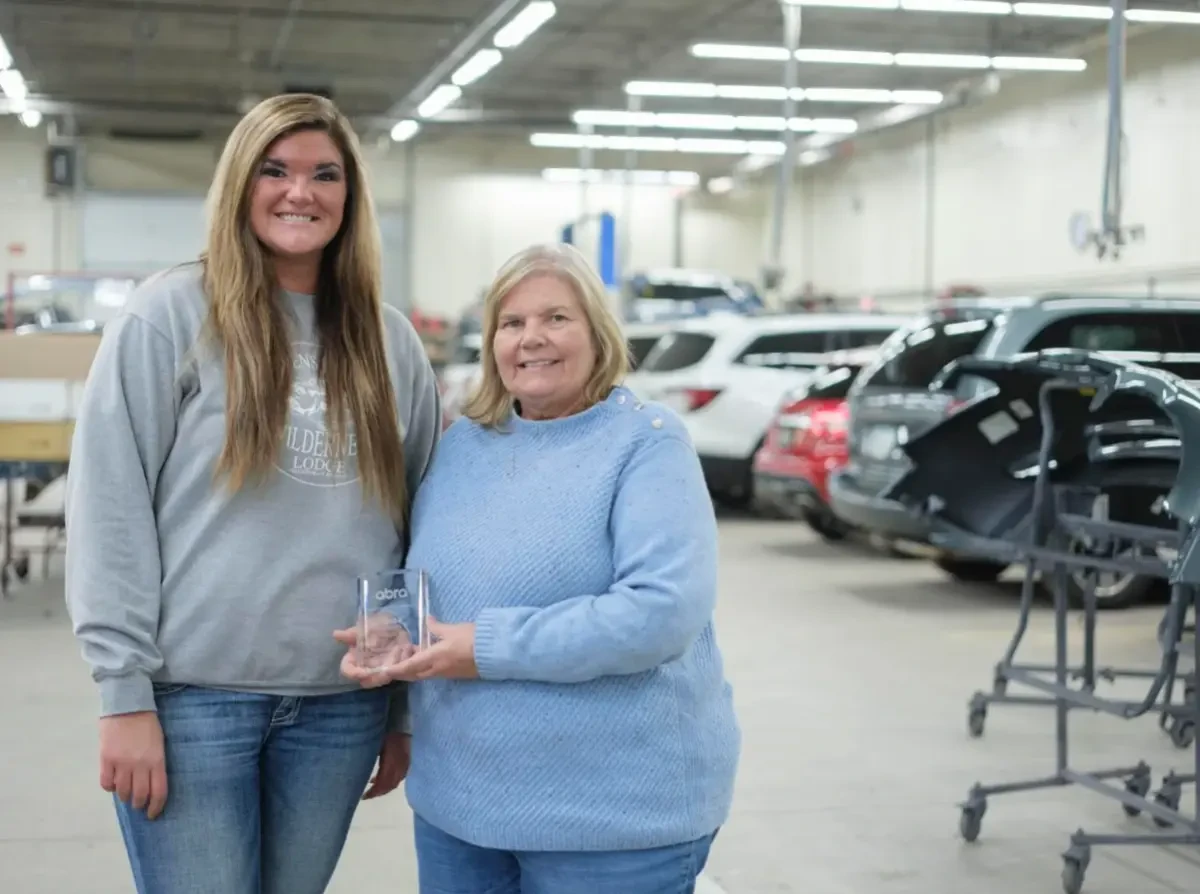
For Laura Kottschade Raimann, good customer service can be as simple as making a phone call.
Even if she hasn’t finished reviewing a supplement by the end of the day, the COO of Jerry’s Body Shop in Mankato, Minn., would rather call the customer and explain where the repair stands than leave them wondering.
After all, the vehicle sitting in her shop is more than another repair order.
“That’s somebody’s transportation. That’s their lifeline, especially if they’re not in a rental,” Laura said.
It’s an approach she learned from her parents, Jerry and Geralynn “Geri” Kottschade, who have spent decades building the family-owned collision repair business around customer service, community involvement, and safe repairs.
Now, as Geri gradually steps back and Laura assumes more responsibility, the Kottschades are discovering that succession involves more than transferring duties from one generation to another. It means passing down judgment, relationships, and a culture of care, while giving the next generation enough freedom to lead differently.
For shop owners approaching retirement, their experience offers a look behind the curtain at what that transition can actually require.
From Parts to Production
Founded in 1971, Jerry’s has grown from a one-person operation into an 18,000-square-foot, single-location collision repair facility with approximately 30 employees. The independently owned business operates under the ABRA brand.
Laura joined Jerry’s full-time in 2017 after earning a bachelor’s degree in business management. When the shop’s parts manager was injured in a motorcycle accident, she went from “cap and gown” to the parts department almost immediately.
She subsequently worked across different areas of the business before becoming COO in 2025.
Today, Laura runs production, reviews repair files, works with technicians, handles supplements, and helps ensure repairs follow OEM procedures.
Learning production proved especially challenging.
Around the COVID-19 pandemic, Jerry’s workforce temporarily fell from roughly 35 employees to as few as eight. Laura was handed production responsibilities while other employees filled critical roles.
“I had no clue what the heck I was doing,” she recalled.
The post-pandemic parts shortage made the job even more difficult. Laura compared managing production during that period to “a messy game of Jenga,” with some vehicles waiting months for critical parts while newer repairs continued arriving.
She had to change processes, earn technicians’ buy-in and learn how to balance customer expectations with insurer KPIs and the realities of repairing vehicles safely.
Geri’s approach was to give her room to figure it out.
“The younger group of people coming up, younger managers have a different way of looking at things, which is exciting,” Geri said. “I’m learning a lot from them as well.”
Passing Down a Culture of Care
Giving Laura freedom to lead, however, doesn’t mean Geri is indifferent about what changes.
As she moves toward retirement, one concern stands above the others.
“So many times you walk into a second- or third-generation business that you’ve done business with for years and it’s kind of lost its feel,” Geri said. “It’s not the same service. And I don’t want to see that happen.”
She wants Jerry’s to remain involved in its community and retain the familiar, customer-oriented approach the family has cultivated for decades.
Laura appears equally determined to protect it.
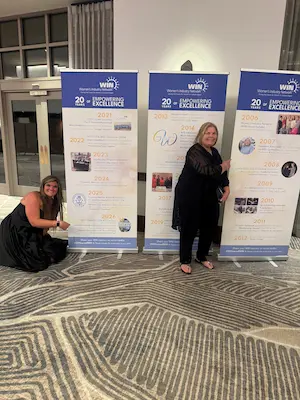
Mother-daughter duo share the honor of serving as the chairperson of the Women’s Industry Conference, with Geralynn in 2007 and Laura this year.
“If somebody comes in and all they need is a clip or something, just give them a clip,” she said, noting the administrative cost of processing such a small transaction could exceed the value of the part.
Laura described another customer with an older vehicle who was rear-ended and subsequently noticed a leaking rear differential. She doubted the two were related, but rather than dismissing the concern, Jerry’s agreed to inspect it.
“Yes, it costs more money,” Laura said. “But at the end of the day, you’re making that customer, one, educated, and then two, you’re going out of your way to help them.”
That care matters most when collision professionals remember that an ordinary workday for them may be one of their customers’ worst days.
A major hailstorm that struck the area this spring reinforced that lesson.
As Geri helped the team organize the influx of work, she reminded younger employees that customers could be dealing with damage to their homes, outbuildings, and multiple vehicles simultaneously.
“Be sympathetic,” she told them. “Remember that their whole life has been turned upside down.”
Keeping the Values, Changing the Methods
While the generations share the same customer-first philosophy, they don’t always agree on how to operate a modern collision repair business.
Laura believes her generation is generally more open to change.
When scanning became increasingly important, she returned from an industry class convinced Jerry’s needed to focus on it. Geri encouraged her to research the issue, contact insurance partners, and take the lead.
Jerry was more skeptical.
“My dad fought it tooth and nail,” Laura said, recalling him saying, “This doesn’t need a scan. This doesn’t need a scan.”
But Jerry has spent more than 50 years in collision repair, beginning in an era when scanning wasn’t part of the repair process.
That difference illustrates a balancing act many multigenerational businesses face: respecting decades of experience while recognizing that repairing increasingly complex vehicles requires new processes, training, and technology.
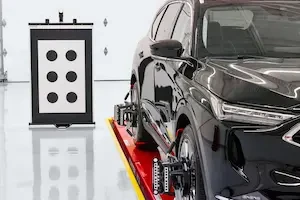
Laura has developed a strong focus on OEM repair procedures, scanning, calibrations, and repair documentation.
Geri sees that as one of her daughter’s strengths.
“She’ll research and research,” Geri said, adding that Laura also brings energy and organization to the business.
Laura, meanwhile, credits her mother with teaching her not to chase every new technology simply because it is new. Staying ahead, she said, requires researching an investment first and determining whether it makes sense for the shop.
Learning to Step Back
The transition is still underway.
Jerry largely retired in 2023, although he still stops by the shop and occasionally questions Laura’s production decisions.
“Why is this stall open? Why are you doing this? Why aren’t you doing that?” Laura recalled him asking.
Her response is sometimes simply that production works differently now.
Geri is gradually reducing her day-to-day involvement, too. Laura knows she still needs to learn more of the financial responsibilities her mother has handled, even as she increasingly operates independently.
For Geri, that means resisting the urge to do everything herself.
Her advice to other longtime owners preparing to step back is to allow the next generation to do their jobs and learn the same way they once did.
Laura said the process requires patience from both sides.
“It’s not an overnight process,” she said. “It comes with a lot of very uncomfortable questions and conversations.”
Those conversations become even more complicated when family and business roles overlap.
“My mom and I are a lot alike, so there are times we butt heads,” Laura said. Sometimes she has to tell Geri, “I need a mother right now. I don’t need a boss. I need my mom.”
Knowing What to Pass Down
Ask Geri what success looks like several years from now, and she doesn’t point to revenue, car count or additional locations.
It is being able to leave knowing Jerry’s is “doing it right” for its customers, staff and community.
Laura’s answer is strikingly similar.
Collision professionals see damaged vehicles every day, she said, which can make it easy to forget that an accident may be a customer’s first.
“We become so callous to accidents that this isn’t a normal activity for people,” Laura said.
She knows from experience. As a college freshman living hours away from home, Laura was involved in an accident shortly after arriving in South Dakota. Even growing up around collision repair didn’t make the experience easy.
Today, she thinks about the trust customers place in Jerry’s when they hand over a vehicle that transports their family, friends, and loved ones. Taking care of them means communicating, easing the inconvenience and ensuring employees follow the procedures necessary to repair that vehicle safely.
For shop owners contemplating their own succession, the Kottschades’ experience suggests the handoff should begin long before the older generation walks out the door.
Teach the next generation the business. Give them authority to make decisions. Let them develop their own methods and learn from mistakes.
But also make sure they understand why the business earned customers’ trust in the first place.
At Jerry’s Body Shop, that may be the most important thing being passed from mother to daughter.




Leona Scott