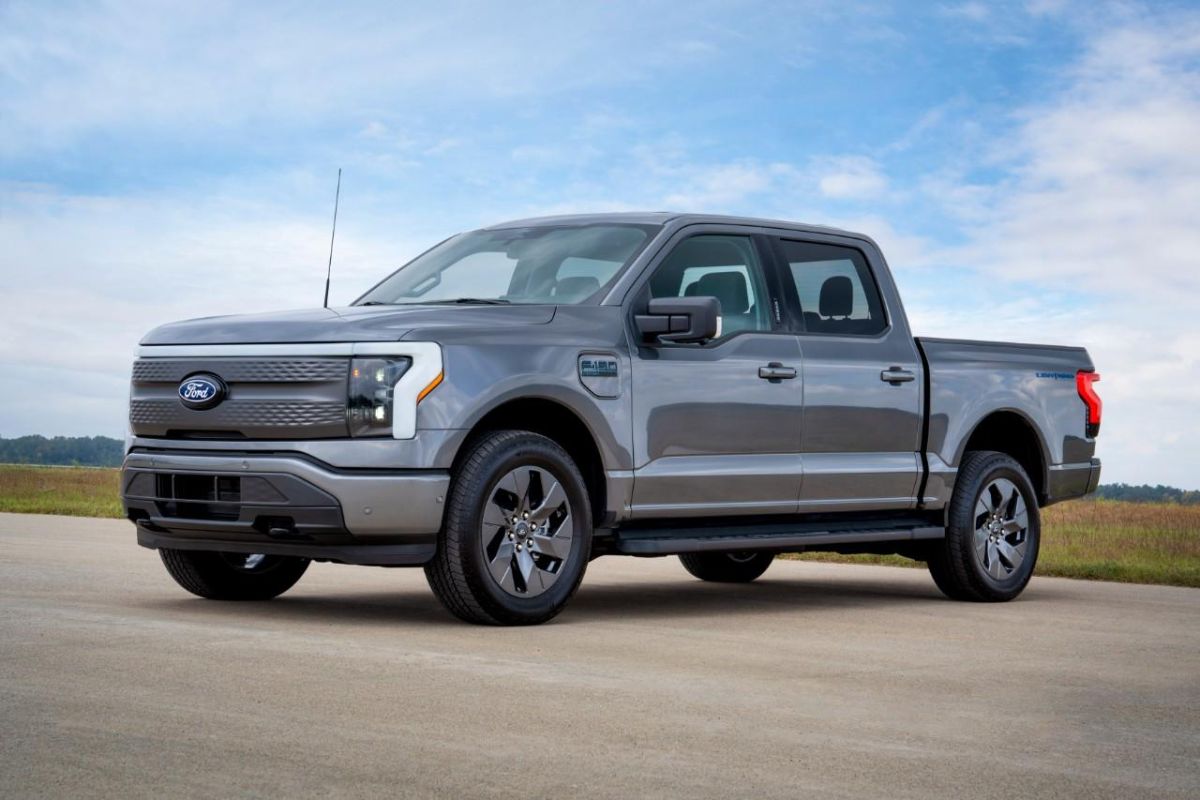
Ford Motor Co. on Oct. 9 officially reversed a plan that would have enabled its dealerships to continue offering the $7,500 federal EV tax credit embedded in lease deals, joining General Motors in scrapping a similar program, Reuters reported.
The decision marks a sharp retreat from strategies intended to buffer EV demand after the subsidy’s formal expiration on Sept. 30.
In late September, Ford and GM had quietly rolled out programs to preserve the lease-embedded credit benefit. Their financial arms would make down payments on EVs in dealer inventory before the Sept. 30 cutoff, allowing those vehicles to qualify for the $7,500 credit. Dealers would then lease those same cars to customers with the credit “baked in” to the payments.
Behind the scenes, the automakers coordinated with IRS officials to ensure the structure met eligibility rules—i.e., demonstrating acquisition by the deadline via a binding contract and payment. GM at one point planned to apply this to about 20,000 vehicles.
GM pulled back first on Oct. 8, stating it would not claim the credit and instead would fund lease incentives internally through October. A day later, Ford confirmed it would not pursue the scheme either, though it pledged to continue competitive lease pricing via Ford Credit and existing incentives.
This retrenchment follows criticism of the workarounds from lawmakers, notably Republican Sen. Bernie Moreno, a former dealer, who called them a circumvention of policy.
Impact on EV Supply, Demand & Sales Mix
The federal subsidy for new EVs had been a linchpin of U.S. EV demand. The Inflation Reduction Act of 2022 expanded it and allowed consumers to transfer it to dealers at point of sale.
Its expiration is expected to erode demand sharply. Some forecasts project EV registrations could fall 20–30% without the subsidy.
Already in 2025, automakers were pushing pre-buy demand before the cutoff. Ford, for example, extended a free home charger offer to stimulate sales earlier in the year.
Beyond sales declines, GM has taken steps to scale back EV production in anticipation of reduced demand. The company plans to pause or slow output at plants producing models like the Cadillac LYRIQ and Chevy Bolt, and to delay starting a second shift on other lines.
For Ford, the elimination of the credit compounds existing financial pressure on its EV business. The company projects steep losses in its EV and software operations in 2025. Loss of predictable incentives also threatens Ford’s planned $3 billion battery facility in Marshall, MI, which was predicated partly on favorable policy support.