Collision repair mergers and acquisitions slowed significantly in 2025, with fewer deals closing, timelines stretching and total valuations declining. The cause was not a retreat in buyer interest but falling shop earnings that pulled purchase prices down even as EBITDA multiples held steady.
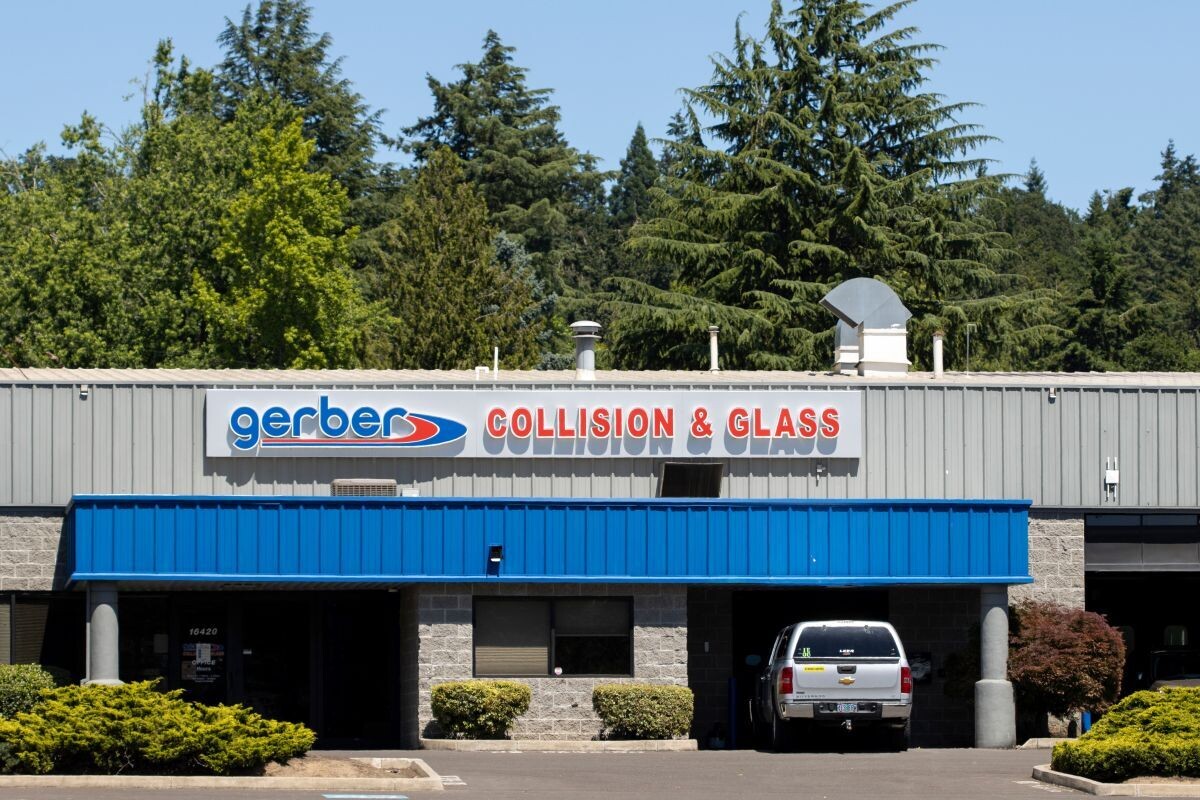
That is the central finding of Focus Advisors' 2025 year-in-review, published Feb. 26, which describes a broadly disappointing year for transactions with one enormous exception: Boyd Group/Gerber Collision's acquisition of Joe Hudson's Collision Centers, which collapsed the longstanding Big 5 consolidator tier into a Big 4.
The valuation math shop owners need to understand
For shop owners weighing a sale, the report's most practical takeaway is in the numbers. Focus Advisors found that market multiples remained relatively stable at approximately 7x EBITDA throughout 2025, meaning buyers did not change what they were willing to pay on a multiple basis. But because revenue fell across much of the industry — driven by fewer claims and a growing share of vehicles being totaled rather than repaired — shop earnings declined and valuations followed.
The firm illustrated the dynamic with a straightforward example: at a 7x multiple, a 10% revenue decline can translate to nearly a 20% drop in enterprise value because not all costs scale down with revenue, making the earnings hit disproportionate. That math kept many would-be sellers on the sidelines in 2025, waiting for trailing numbers to improve.
One blockbuster in an otherwise quiet year
The year's defining transaction was Gerber's acquisition of Joe Hudson's 258 shops, bringing the combined operation to 1,301 locations across North America. It was the first major consolidator-to-consolidator deal in several years. Beyond scale, the transaction reshaped the competitive geography of the Southeast, where Gerber picked up Joe Hudson's concentrated presence and became the dominant operator in the region.
Outside that deal, the Big 4 consolidators were comparatively quiet. According to Focus Advisors, Caliber Collision added 34 locations to reach 1,863, Classic Collision grew by 36 to reach 346, and Crash Champions added eight net new locations to reach 662.
When Autobody News spoke with Focus Advisors President Chris Lane in September 2025, he characterized the Big 5 slowdown as "short-lived." The full-year picture suggests that was true for Gerber, which made the year's biggest move, but not for the broader consolidator tier.
PE firms shift downstream
Private equity interest remained strong, with three new firms entering the collision repair sector in 2025 and at least three more expected in 2026, according to the report. The three new entrants joined an existing roster of 14 PE-backed consolidators actively acquiring in the space.
A notable shift occurred in targeting. PE firms that historically pursued established MSOs with $30 million or more in revenue moved downstream in 2025, pursuing operators with as few as one to three locations. Focus Advisors attributed this to a shrinking pool of larger acquisition targets and increasing buyer conviction that strong operators can build scale from a smaller base.
Among PE-backed midsize platforms, which Focus Advisors calls "Accelerators," performance varied widely. Brightpoint Auto Body grew from 13 to 36 locations, while Kaizen Collision Center declined slightly following its acquisition by Kinderhook Industries.
What 2026 looks like for sellers
Focus Advisors expects transaction volume to increase in 2026 as operator performance stabilizes and sellers who paused last year return to market. The firm noted that its own pipeline of prospective deals suggests more owners are getting ready to come to market, particularly smaller operators concluding that their volumes are not returning to prior levels.
But the report also cautioned that the longer-term forces working against repair volume show no signs of letting up, including more vehicles being totaled out, higher repair complexity from ADAS and a fleet that continues to age past the point of insurability. For shop owners considering their options, the question is not just whether 2026 will be better than 2025. It is whether the underlying economics of independent ownership are shifting in ways that make the timing of a decision more consequential than ever.