
A new Rhode Island regulator bulletin spells out the compliance practices the state wants from collision repair licensees, and singles out two areas — incomplete repair documentation and informal deals to help customers avoid total losses — that drew complaints in 2024. Shops outside Rhode Island may recognize the same dynamics in their own work.
The Rhode Island Department of Business Regulation's Auto Body Bulletin Number 2026-01, signed this month by Associate Director Donald DeFedele, is informational rather than regulatory. It points shops toward the documentation steps the department expects and the patterns it watched develop through last year's consumer complaints.
Final repair bills are a top compliance gap
The department says shops repeatedly fail to produce final repair bills when asked and often don't give them to consumers.
That's despite a two-year retention requirement under Section 2.17(A) and (B) of the state's Motor Vehicle Body and Salvage Vehicle Repair regulation.
The fix the DBR recommends is straightforward: provide a copy to the customer, keep one for the shop's records, and document any agreements where the work performed differs from the most recent estimate.
Don't try to 'save' a total loss
The bulletin's second enforcement focus addresses a practice the department flags as risky.
The DBR warns shops against trying to "save" a vehicle from being totaled or absorb a customer's deductible when the customer is in financial distress.
The recommendation is unambiguous: licensees should not attempt to save the deductible, and should not attempt to save the vehicle from being financially "totalled" for insurance purposes or otherwise.
The bulletin states that a repairer who takes that route may be responsible for repair costs that exceed the insurance estimate when restoring the vehicle to pre-accident condition. The arrangement, the DBR notes, often produces incomplete repairs and disgruntled customers.
A bulletin in a shop-friendly state
For Rhode Island shops, the bulletin lands inside one of the country's most shop-protective regulatory environments.
The state extended OEM parts protection to vehicles up to 72 months old in 2024, and Gov. Daniel McKee signed right-to-appraisal legislation in July 2025.
ABARI President Randy Bottella has described the state's framework, which also covers payment for documented OEM procedures and a three-day window for insurer inspections, as one of the most extensive in the country.
Documentation practices the bulletin highlights
The bulletin's best-practices section covers documentation steps that may resonate with shops outside Rhode Island as well.
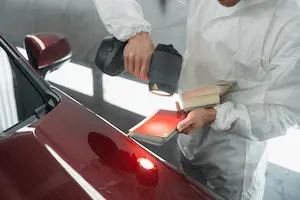
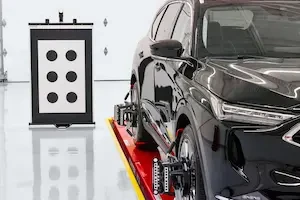
The DBR points to photo documentation, pre- and post-repair diagnostic scans, vehicle measurements, suspension and alignment records, and OEM documentation as the mechanisms shops can use to preserve repair details.
The bulletin also addresses written standard operating procedures for situations requiring OEM parts and procedures, including how employees research manufacturer requirements. It points licensees toward inter-industry ADAS training that includes hands-on instruction, and toward EV and hybrid repair safety guidance covered in the prior DBR Bulletin 2024-01.
The documentation list overlaps with the framework AkzoNobel's Tony Adams laid out last fall during SCRS Repairer Driven Education at SEMA, where he framed thorough documentation as a shield against liability exposure. The Rhode Island bulletin makes the case in regulatory language: the records that protect a shop in court are the same ones that keep it out of the department's complaint queue.
Questions can be directed to DBR.CommLicInquiry@dbr.ri.gov.