


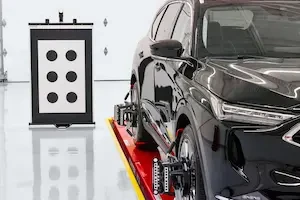
Farmers Insurance is now telling its own policyholders that repairs on ADAS-equipped vehicles may include diagnostic scans before and after repairs, safety system testing, and calibration of cameras, sensors, and radar, and that those steps may add time, labor, and specialized equipment to a claim.
The guide puts repair scenarios in writing
The consumer guidance, published Aug. 31, points readers to a Farmers.com resource titled How New Car Technology Is Changing Repairs and Car Insurance. It puts specific language in writing: windshield replacement "may require camera transfer, diagnostic scans and calibration," front-end repair "may affect radar, cameras or sensors used for automatic emergency braking and adaptive cruise control," and rear bumper repair "may involve parking sensors, rear cameras or cross-traffic alert systems." Side mirror and parking sensor work get the same treatment.
The guide advises customers to ask whether a shop has the right expertise, ask whether safety technology may be affected, plan for added repair time, and keep estimates, invoices, and repair records "including any notes about diagnostics, calibration or safety system testing." It also tells customers that some shops "may need to transfer the vehicle to another facility for specific work."
"Features designed to help prevent collisions can also make repairs more complicated and costly," Michaela Rush, head of national auto physical damage at Farmers, said in the release.
The guidance promotes Farmers' Guaranteed Repair Program while stating that customers always have the choice of where to have a vehicle repaired.
Some shops already have this conversation at intake
Farmers tells policyholders to ask whether a shop has the right expertise and whether safety technology may be affected by repairs. Some shop owners recently featured in The Advocate have described making that conversation part of every intake.
Nikki Anderson, co-owner of D&B Auto Body in Minnesota, told Autobody News in one recent interview that she walks every customer through calibrations before a dispute starts, including why a working indicator light in a side mirror does not prove the rear bumper sensor is calibrated. She said she cannot skip a manufacturer-required calibration even when a customer says they do not use the feature, because a future owner might rely on it. "I can't take that liability," she said.
Henry Arroyo, who owns five Fix Auto USA locations in California's Coachella Valley, said customer education at his shops begins the moment a car is checked in. His shops keep records on bumper sensor measurement and calibration, and he walks customers through the safety features built into their vehicles and what their policies actually cover, including deductible amounts and whether the policy endorses OEM parts.
Israel Garcia, co-owner of Merced Auto Body in California, told The Advocate his shop checks OEM position statements for ADAS calibration and scanning requirements before writing an estimate, and produces short videos explaining deductibles and the difference between collision and comprehensive coverage for customers with no insurance background.
Farmers' guide covers the same ground from the insurer's side, advising customers to review coverage with an agent regularly and to consider deductible options before a claim. Garcia said self-pay repairs at his shop have roughly tripled recently, by his own informal estimate, as customers grow afraid to file claims at all.




Jess Fritsche