J.D. Power and GlobalData are expecting U.S. new-vehicle sales to cool in October as the market digests a sudden swing in electric vehicle demand after federal purchase incentives ended Sept. 30.
The firms forecast total light-vehicle sales of 1.25 million in October, down 6.9% year over year, with a seasonally adjusted annualized rate (SAAR) of 15.1 million — off 1.1 million from October 2024. Retail sales are projected at 1.05 million, a 5.9% decline.
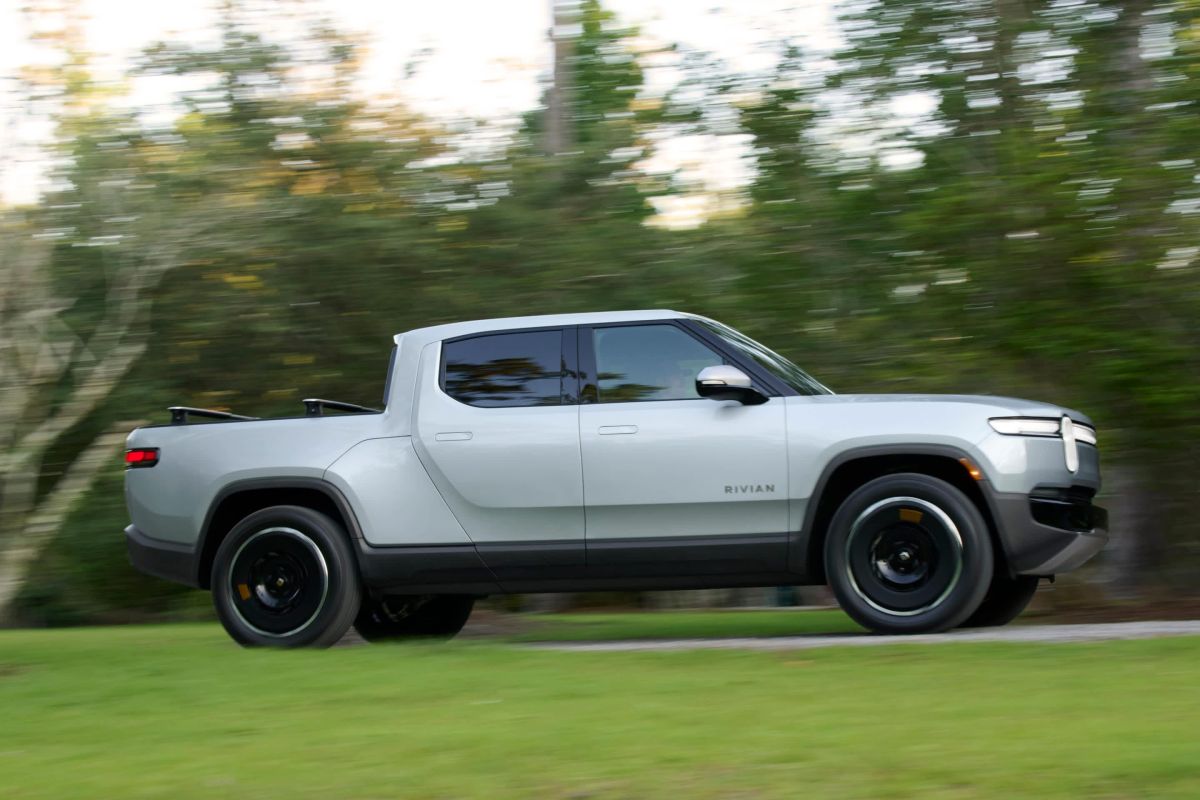
Meanwhile, EV maker Rivian announced it is cutting approximately 4.5% of its U.S. workforce — more than 600 jobs — amid a sharp drop in EV incentives and softening demand, according to multiple reports.
EV Pull-Ahead Reverses in October
J.D. Power said September’s share of EVs in retail sales spiked to 12.9% as buyers rushed to purchase before the federal credit ended, then fell to 5.2% in October’s month-to-date data. The firm attributes roughly 1 million of the 1.2 million-unit drop in industry sales pace versus September to the EV swing alone, while hybrids climbed to a 14.2% share as consumers shifted toward lower-cost electrification.
That timing aligns with IRS guidance implementing the new law that ended clean-vehicle credits for vehicles acquired after Sept. 30, with a limited exception for buyers who executed a binding written contract and made a payment on or before that date — allowing a credit when the vehicle is later placed in service.
Average transaction prices (ATP) are expected to remain elevated. J.D. Power pegs October’s average retail transaction at $46,057, up 2.2% year over year. However, that is a decrease compared to September, when Kelley Blue Book reported average ATPs exceeded $50,000 for the first time, underscoring persistent affordability pressure heading into Q4.
The average used-vehicle retail price is trending near $29,446 in October, up about $473 year over year, per J.D. Power; separate coverage in late September likewise flagged used-price firmness around the high-$29,000s.
Rivian Laying Off U.S. Workers
Rivian’s job cuts were announced via an internal email, as reported by several news outlets Oct. 23.
"These are not changes that were made lightly," CEO RJ Scaringe said in the email to staff. "With the changing operating backdrop, we had to rethink how we are scaling our go-to-market functions."
The move marks another cost-control step for Rivian as it prepares to launch its lower-priced R2 SUV later next year. In addition to the end of the federal EV purchase, Rivian has faced challenges related to tariffs on imported parts.
Rivian narrowed its 2025 delivery range to 41,500–43,500 vehicles, down from earlier guidance as the company prepares the R2 model and seeks cost discipline.