


The California Bureau of Automotive Repair is developing a proposed regulation that would impose new requirements on licensed automotive repair dealers that perform airbag-related work, including collision repair shops, restricting where shops may source airbag components and requiring documentation for every part purchased or received.
According to the BAR's Spring 2026 Automotive Repair and Smog Check newsletter, the regulatory proposal is a direct response to the growth of counterfeit airbags entering the vehicle supply chain through post-collision repair. The bureau stated that counterfeit parts can closely resemble OEM products in both appearance and packaging, making them difficult to identify before installation.
Proposed rules would restrict parts sourcing and require OEM-standard restoration
As currently drafted, the proposal would prohibit licensed automotive repair dealers from working with or selling any airbag that is known, or reasonably should be known, to have been previously deployed, to have an electrical fault, to contain components designed to mislead a vehicle owner or operator into believing a functional airbag has been installed, or to bear a manufacturer mark without that manufacturer's authorization, according to the BAR newsletter.
The proposal would also require repair dealers to restore any airbag that is part of an inflatable restraint system to its original operating condition as designed by the original equipment manufacturer, according to BAR's April 2026 legislation and regulations presentation.
Under the proposed sourcing restrictions, an automotive repair dealer could only purchase an airbag replacement part or component from one of three authorized sources: the OEM directly; a supplier or reseller previously authorized by the OEM whose parts are not subject to any active recall issued by the OEM or the National Highway Traffic Safety Administration; or a DMV-licensed automotive dismantler, provided the airbag has not been previously deployed, the airbag assembly shows no signs of damage, prior deployment, or tampering, and the donor vehicle has no open airbag-related recalls, per the BAR newsletter.
In addition, shops would be required to retain receipts for all airbag parts received or purchased.
A growing death toll linked to replacement airbags installed after collisions
BAR cited the growth of online marketplaces and third-party sellers as factors that have made it easier for counterfeit airbags to reach repair facilities, often without the knowledge of technicians or vehicle owners.
NHTSA has published a consumer alert regarding the dangers of substandard replacement airbags, including inflators linked to fatal crashes in otherwise survivable collisions. The agency identified post-collision repair as the documented point of entry for these parts into U.S. vehicles. The BAR newsletter noted that NHTSA's warnings emphasize the importance of proper sourcing and verification of safety-critical components.
The Automotive Anti-Counterfeiting Council, Inc. (A2C2) is working alongside BAR to address the issue. According to the BAR newsletter, A2C2 provides technical and investigative support, including the ability to review photographs, inspect components, and help determine whether a part is counterfeit, even after installation. The bureau encouraged shops that suspect a counterfeit airbag to preserve the part when possible, document identifying markings and packaging, and contact A2C2 to request a technical analysis. Information is available at a2c2.com.
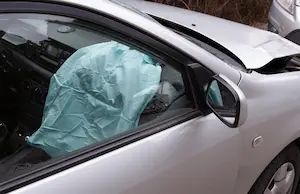
Counterfeit airbag inflators have been linked to 10 deaths in otherwise survivable crashes, according to NHTSA. In most of the vehicles involved, the original airbag had been replaced after a prior collision, according to NHTSA, placing collision repair shops directly in the accountability chain.
Still in internal review: What California shops need to know now
The proposal has not yet been filed with the Office of Administrative Law. According to the April 2026 BAR presentation, the package is pending review by the Department of Consumer Affairs legal team. Once that internal review is complete, BAR will file the proposal with OAL, which will open a mandatory 45-day public comment period before the regulation can be finalized and adopted.
No public comment period is currently open. California shops can monitor the regulation's progress at bar.ca.gov/regulatory-actions and sign up for BAR email notifications at bar.ca.gov/email-list-signup.
BAR is advancing multiple regulatory packages simultaneously this year. A separate proposed regulation addressing storage fees charged by automotive repair dealers is in the late stages of the rulemaking process.


Lisa McArdle