

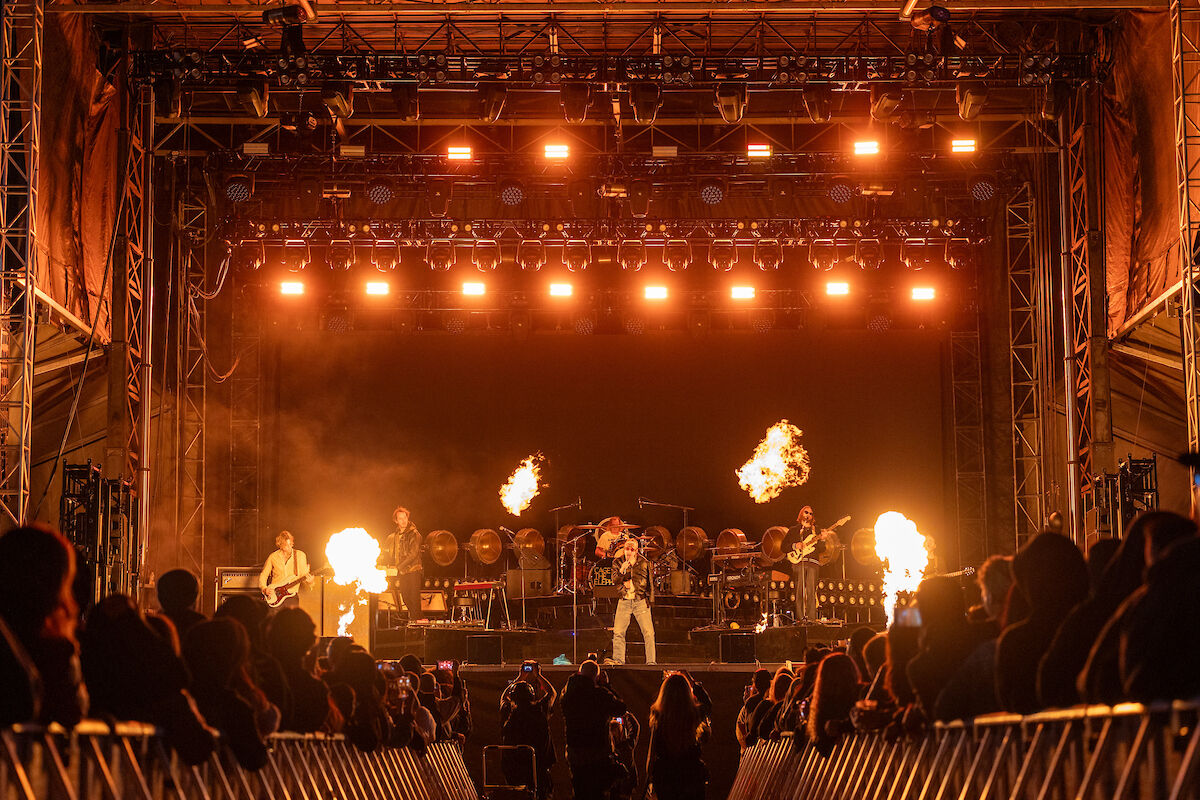
Investigating artificial intelligence and its effects on collision repair — in estimatics, in operations, in specific uses, and coming CCC ONE enhancements — will continue at the 2025 SEMA Show, Nov. 4-7 in Las Vegas. In fact, some chatting happened in the organization itself before the show, and will continue after.
SEMA used AI in advance to design SEMA Fest musical offerings and it will help some exhibitors evaluate booth performance post-show using similar tools, according to Vice President of Events Tom Gattuso.
Gattuso also told Autobody News the show today and tomorrow incarnates a key reversal coming via AI’s advent, from an initially unseen, next-level consequence of the “collision” of the technology with body shops.
AI Helps Choose Show Music
Drivers get to pick the music. As AI drives discussions, it chose SEMA’s.
Gattuso said the organization did the tech two-step through its digital marketing efforts to choose the bands — Black Crowes, Queens of the Stone Age, and Neon Trees — performing at SEMA Fest this year. The digital marketing team started with show demographics, then used AI tools to triangulate top options, as to how they play together.
“We know the tendencies and likes of this audience,” Gattuso said of internal data. “The bands we have work well together, based on fan experience.”
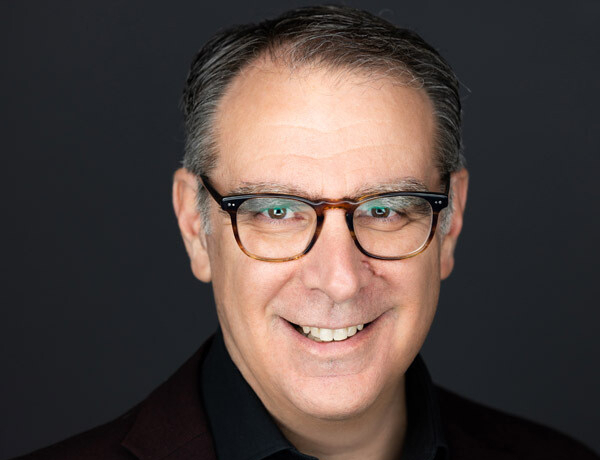 Tom Gattuso.
So, “you take the audience you know and extrapolate into a ‘lookalike’-type audience, and get a pool of people who are your target.” SEMA’s pool was a small ocean: “around 6 million people. … looking for the bands they really like.”
Then, “you make this leap of faith, that you do with AI and you get a positive overlap of bands that work well together. You want this event progression so the enthusiasm crescendos at the end. The music industry is built this way.”
Not music style per se, though it might be similar. But fans of one band are fans of another. Computationally, you get a sense, a probability.
“That gave us some confidence,” Gattuso said.
Boots Made for Walking, AI Made for Counting
SEMA sort of stumbled on this when an outsider said, “‘Your ticket is really good; the bands work together with your demographic,’” Gattuso recalled. “From a digital marketing perspective, there are [AI] tools for this.”
As that note suggests, and going a bit beyond the cool tunes here, body shops could use such tools in their own digital marketing to refine an audience, even if they’re not hosting a concert.
Bottom line, SEMA used AI for what it actually does. The tech isn’t so much smart as super-fast. It’s easy to confuse the two, but what artificial intelligence does best is run.
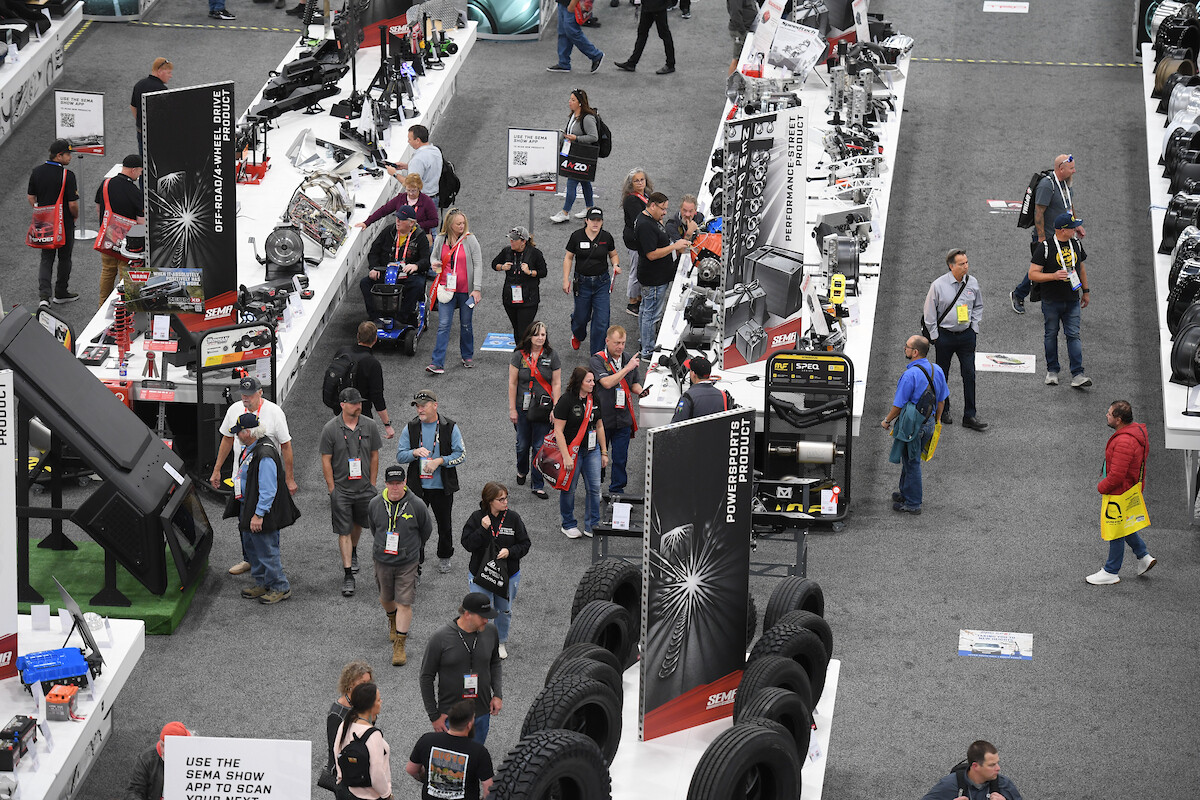 The crowd on the SEMA Show floor.
Or walk.
SEMA’s testing a third-party’s AI-based sensor offering in its New Products Showcase in Lower South Hall to snag unique signals emitted by smart technology — watches, phones — to follow those signals and track the data. Not the person by name, but the signal itself, similar to geolocation products that bring up information when you drive by businesses, or assessing how long a particular user spends on a webpage or looking at something in a social media feed.
“It’s anonymous and as you walk around, signals show where it goes in a particular area,” Gattuso said. “We’re offering it as a purchase to exhibitors to know how many came, where they stood, how long they were there.”
Companies can use that “dwell time” and other data to improve booth behavior, by their people and attendees.
Data might tell you people spent more time at the candy bowl than the fancy four-color charts and graphs, and only one of those two can’t be emailed later. It can suggest when heavier booth traffic needs to be met with the boots on the ground from company reps.
And so on.
Who Do You Love?
So far SEMA is using FastSensor only for, appropriately enough, the New Products Showcase. As this piece went to press, Gattuso said the show was also considering a small-scale heat-mapping tech for the Grand Lobby, which aims at replacing “beacon technology of the past. You can’t do 1 million square feet, but you can do 30,000.”
SEMA could overlay it in several areas to cover more ground; alongside speed, AI is also a beast in the amount of its material. But true knowing remains something else, flowing from personal human interaction.
Billionaire Mark Cuban’s June social media assertion that growing AI fakery will “lead to an explosion of [face to face] engagement, events and jobs” would be swell for shows like SEMA and people who attend them, Gattuso said.
Call it one of those “unintended consequences” arriving with everything from new laws to new tech. Behaviors these debuts develop are big; reactions against them can be bigger.
Seventy-some years ago Bo Diddley crooned “Who do you love?” — Rolling Stone’s 133rd greatest song of all time, and covered by the Doors, George Thorogood and Santana, among others — and everything older is newer again.
In other words, you can choose the bands by generative AI, but you can only hear them live if you’re there.
“It’s something I’m locked into right now,” Gattuso said, noting younger crowds trust new tech even less.
We won’t believe it online so we’ll need to see it in-person, he said. “Live events become more important.”




Paul Hughes