

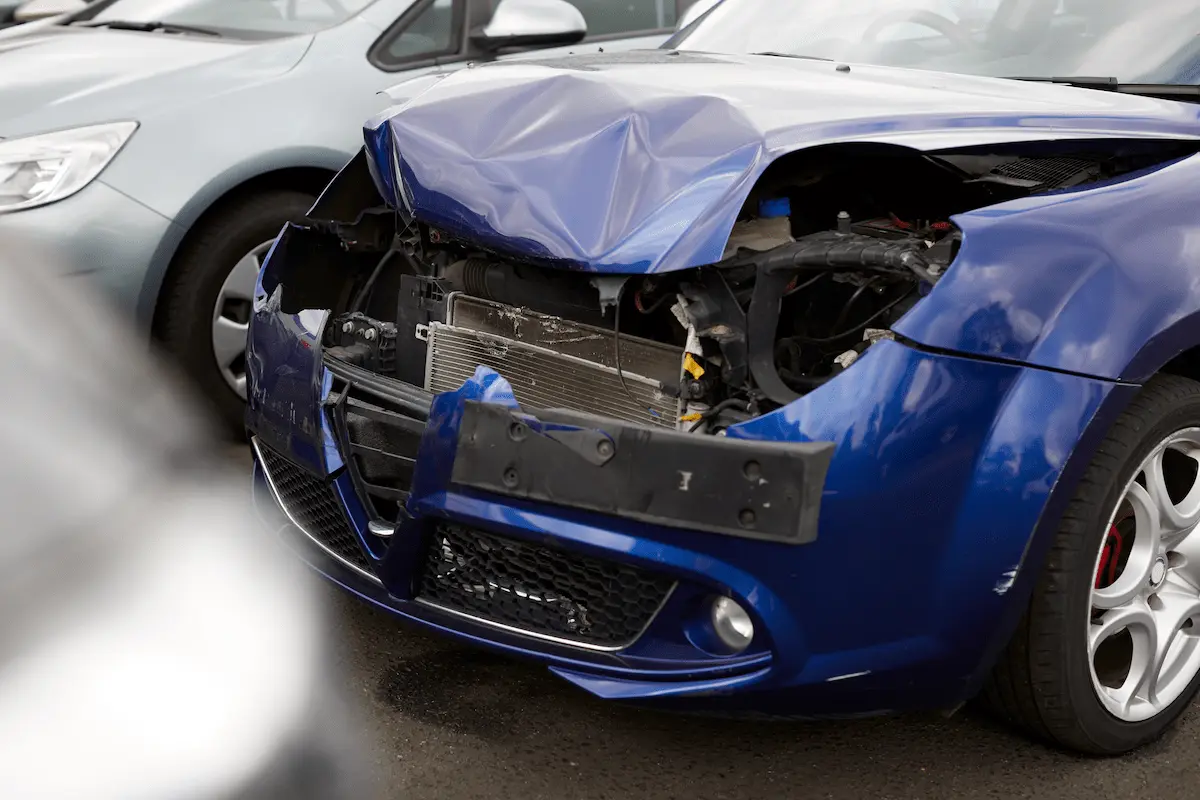
Collision repair shops are completing insured repairs faster as claim counts fall, while a growing share of auto insurance claims end in a total loss instead of a repair, according to the JD Power 2026 U.S. Auto Claims Satisfaction Study released Tuesday.
As of the first quarter of 2026, average repair cycle time stood at 15.3 days, 10 days shorter than in the first quarter of 2024, JD Power reported. The firm credited the gain to a steep drop in the number of claims.
Total losses accounted for 26% of claims in 2026, compared with 16% four years earlier, according to the study. JD Power tied the increase to three factors: repairs that cost more, a growing number of customers holding onto their vehicles longer, and higher deductibles that keep smaller repairs out of the claims process.
Satisfaction diverges by claim outcome
Auto claims satisfaction overall held at 700 on a 1,000-point scale, the same as a year earlier, JD Power found. Beneath that flat score, the results moved in opposite directions. Customers whose vehicles were repaired rated the experience 4 points higher than in 2025. Customers whose vehicles were totaled rated it 12 points lower. That marked the third straight annual decline in total loss satisfaction, which now sits 46 points below 2023 levels.
“A complex mix of trends are conspiring to make this an incredibly challenging market environment for managing auto insurance claims customer satisfaction,” said Mark Garrett, director of global insurance intelligence at JD Power. “On the positive side, rates are coming down and repair cycle times have improved dramatically, so customers who can have their vehicles fixed are showing high levels of satisfaction with the claims experience.”
Garrett pointed to affordability as a factor in the total loss results.
“However, persistent affordability challenges have many customers keeping vehicles longer or making changes to their policy, such as dropping rental coverage or taking on higher insurance deductibles,” he said. “Additionally, many customers are upside down on their auto loans, which means the payoff in a total loss scenario can be less than they owe on their vehicles. All of these can make for a poor customer experience in the event of a total loss.”
CCC Intelligent Solutions’ Crash Course 2026 Mid-Year Update, released Oct. 15 as a follow-up to the Crash Course 2026 report CCC published in March, also tracked rising total losses. Through the second quarter of 2026, CCC classified 23.5% of claims across every loss category as total losses, a new high and 0.8 percentage points above a year earlier.
Repairable estimates fell 5.4% through September, a smaller drop than the 10.4% decline over the same stretch of 2025, CCC reported. The company said higher deductibles are becoming a lasting part of how consumers file claims. In the first half of 2026, 28.4% of repairable collision claims carried deductibles of $1,000 or more, up from 25.7% a year earlier and 20.3% in the first half of 2022.
Total loss satisfaction was lowest, at 490, when an insurer’s payout fell short of the customer’s remaining loan balance, JD Power reported. Among total loss customers who still had a loan on the vehicle, 25% received less than they owed.






Lisa McArdle