

An Oklahoma court has overruled a motion May 26 to dismiss a lawsuit in which 12 collision repair shops and a state body shop association are seeking to have state-enacted legislation capping storage fees declared unconstitutional.
The lawsuit is one of two brought by the collision repairers, with the other challenging the constitutionality of another recently enacted Oklahoma law banning the use of assignment of proceeds.
Storage fee cap draws constitutional challenge
The cap on storage fees took effect last November. It limits storage fees for total loss vehicles to $39 a day for the first 10 days (and $75 a day after 10 days). It also caps billable administrative labor for total loss vehicles at four hours.
The legislation was introduced last year by Sen. Lonnie Paxton, a Republican lawmaker in Oklahoma who is also an insurance agent, and was passed by both chambers of the state legislature, becoming law without the governor's signature.
After the lawsuit challenging the law was filed, the Oklahoma Insurance Department filed a motion to dismiss with the court, arguing that the law is not discriminatory, as the shops’ lawsuit claims. The law applies uniformly to all body shops, and simply addresses something that “has proven susceptible to abuse at the expense of Oklahoma consumers,” the insurance regulatory agency told the court.
Reasonable restrictions (on “unsound business practices”) made to promote the greater public good do not amount to “arbitrary and unconstitutional deprivation of any individual protected interest” as the plaintiffs allege, the Department’s motion stated.
In their response to the court, the shops argued the law is impermissible because they provide monetary gains only for a single industry: insurers. They said that while the cap on shop storage rates singles out body shops, there are no such specific rate limits on other types of companies that bill insurers (such as painters or roofing contractors working on a storm-damaged home, or the hotel where an insured lives during home repairs).
“In those examples, the free market operates,” the shops told the court in their opposition to the motion to dismiss the suit.
In an initial win for the shops, following a hearing this spring, Judge Natalie Mai overruled the motion to dismiss, allowing the lawsuit to move forward.
Second lawsuit targets assignment of proceeds ban
The lawsuit challenging the constitutionality of the ban on the use of assignment of proceeds in auto, residential or commercial claims is following a similar pattern. (An insured or claimant signing an assignment of proceeds essentially transfers their right to receive funds owed under the policy to the shop.) That ban also took effect last November after being passed by lawmakers and signed into law by Governor Kevin Stitt.
Again, the Department of Insurance is seeking to dismiss the lawsuit. Assignment of proceeds agreements, it argues, “have been susceptible to abuse by unscrupulous Oklahoma contractors and service providers,” sometimes “leading to inflated costs or legal disputes without the policyholder’s full awareness.” That is what led state lawmakers to declare such agreements “against public policy,” the Department told the court.
The shops and the trade association have petitioned the court for summary judgement in their favor. They argue there is “no need for lengthy hearings to take testimony” because the facts and legal arguments have been already laid out in each sides’ pleading filed with the court.
The law singles out just body shops, they argue, noting that it does not prohibit a mechanical shop or a dealership from accepting an assignment of proceeds from a customer so that business can deal directly with an insurance company.
“There is no legitimate state interest in preventing the customer from entering into such an agreement [with a body shop] that benefits the public in a great way,” the shops argue in their filing.
Shop owners detail impact in court affidavits
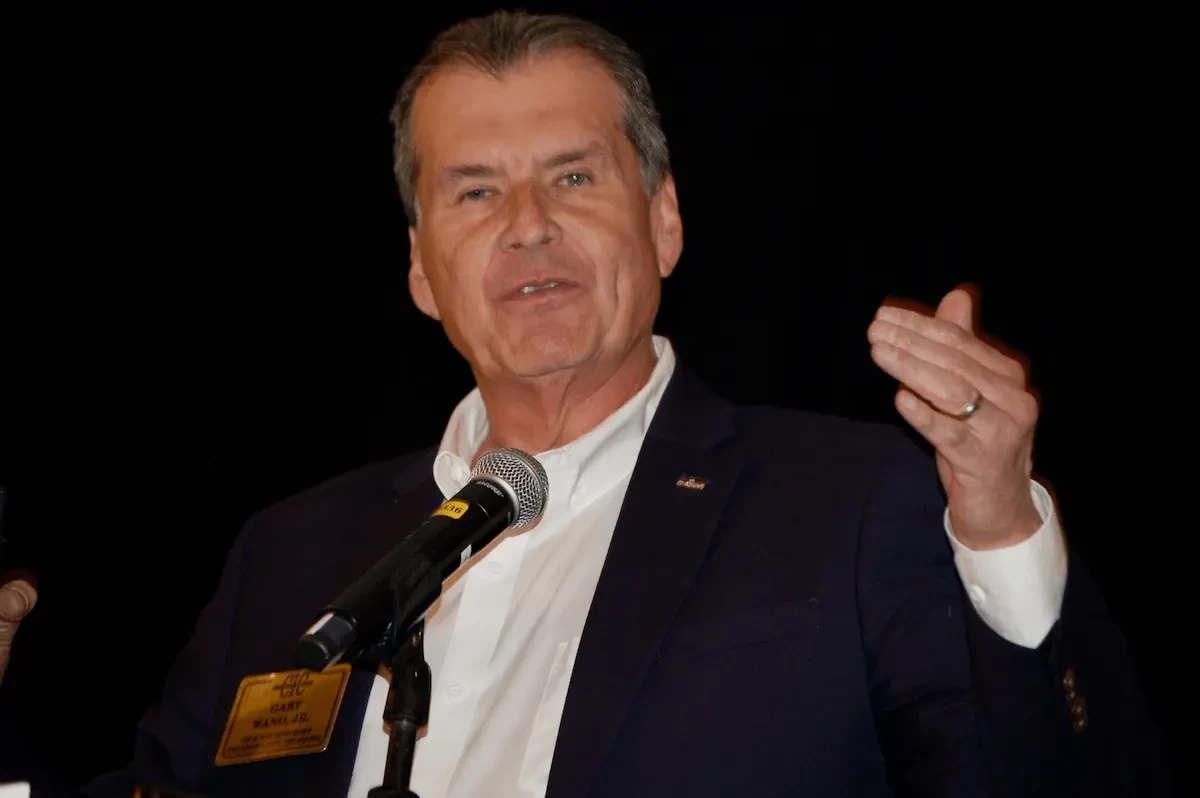
In one of the affidavits filed by shops involved in the lawsuit, Gary Wano Jr., president of GW & Son Auto Body in Oklahoma City, said his shop has always used an assignment of proceeds any time there was an insurance company involved in a repair job.
“This system benefited the customer, who most of the time did not have the technological knowledge to talk about needed repairs with the insurance company representative,” Wano states in the affidavit.
The new law prohibiting that practice “has slowed down the repair process a lot,” he told the court.
“Most of the insurance companies, because of the new law, will not communicate with us about hidden damage or a repair plan that involves safety concerns,” Wano’s affidavit states.
“That puts the policyholder in the position of having to talk [to the insurer] with very little knowledge about the specific repair plan. In the end, some customers either pay out of pocket for the damages denied by the insurance company, or choose to refuse the repairs and we release the vehicle,” potentially in an unsafe condition.
Oklahoma shop owner Jessica Stegner, president of the Oklahoma Auto Body Association, also filed an affidavit in the lawsuit. The law, she wrote, “defines an assignment agreement in a way that includes communicating with an insurer on an insured’s behalf,” which raises questions for small business owners such as herself.
“If we talk to the insurance company about the repairs that our customer’s vehicle needs, are we crossing a line,” Stegner said in her affidavit. “If we negotiate over proper repair procedures or supplements, could someone argue that we have accepted an assignment of benefits? I honestly don’t know where that line is anymore. Large corporations may have attorneys to answer those questions. Small independent repair shops often do not. Instead, we are left trying to interpret a law that carries the risk of being accused of an unfair or deceptive trade practice. The people who are hurt most by the uncertainty are our customers.”









John Yoswick