
New-vehicle prices held firm just below $50,000 in November as affluent buyers continued to dominate the U.S. auto market, according to data released Dec. 10 by Kelley Blue Book, a Cox Automotive brand. For collision repair operators, the trend reinforces a growing split in the repair workload: more complex, tech-heavy trucks and SUVs on one end, and an expanding pool of older vehicles increasingly likely to be totaled on the other.
Pickups, luxury vehicles push prices higher
The average transaction price for a new vehicle in November was $49,814, up 1.3% year over year and virtually unchanged from October’s $49,760, according to Kelley Blue Book. Prices have hovered near the $50,000 mark since September, when average transaction prices first crossed that threshold at $50,080.
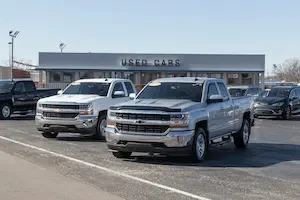
Full-size pickup trucks continued to pull the market upward. The average MSRP for a full-size pickup reached $70,178 for the third consecutive month, 1.8% higher than in November 2024, with more than 182,000 units sold — 14.2% of total new-vehicle sales, according to the report. Meanwhile, vehicles with MSRPs above $75,000 accounted for 10.8% of sales, outpacing the 7.5% share held by vehicles priced below $30,000.
Cox Automotive Executive Analyst Erin Keating attributed the persistent price elevation to buyer demographics. Nearly half of new-vehicle buyers are over age 55 and in their peak earning years, she said, making them more likely to purchase high-end SUVs than entry-level models.
Shops face split workload as fleet ages
The implications for collision repair shops are significant. CCC Intelligent Solutions’ Crash Course 2025 Q1 report found that the combination of affluent buyers purchasing tech-heavy new vehicles and everyone else driving older cars longer is producing a split workload. The average age of vehicles on U.S. roads reached approximately 12.7 years in 2024, with CCC projecting that figure will hit 13 years by 2026.
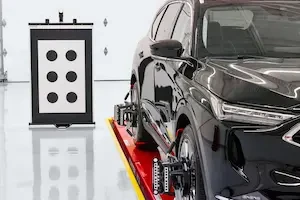
Vehicles 7 years and older now account for more than 70% of total-loss valuations, according to CCC, as elevated repair costs relative to depreciated vehicle values push more older vehicles out of the repair stream. At the same time, shops working on newer trucks, SUVs and EVs face increased complexity: CCC reported that scans were included on more than 85% of direct-repair program estimates for vehicles 3 years old or newer in 2024, and calibrations were approaching 30% of such appraisals. CCC’s Q2 2025 Crash Course report found calibrations appeared on more than 31% of DRP estimates, up from 23.9% a year earlier.
EV repairs costlier, sales slump continues
While EVs are a small share of overall vehicles on the road, they present particular challenges. CCC’s analysis found that EV repairs averaged approximately $830 more per repair than hybrids and more than $1,030 more than internal-combustion vehicles in 2024, with EV repairs requiring roughly four additional labor hours than ICE vehicles.
The EV market itself showed volatility in November. According to Kelley Blue Book, the average price paid for a new EV was $58,638, up 3.7% year over year but down 0.8% from October. EV sales fell more than 40% year over year and approximately 5% from October, marking the second consecutive weak month. Cox Automotive attributed much of the decline to the expiration of the $7,500 federal EV tax credit at the end of September, which pulled demand forward into the third quarter.
Tesla’s average transaction price came in at $54,310 in November, down 1.7% from a year earlier but 1.5% higher than October. Tesla’s overall sales declined 22.7% year over year, with the Model 3 dropping 42.1% year over year. The Cybertruck recorded its lowest monthly sales volume of 2025 at 1,194 units.
Pressure on complexity, cycle times likely to persist
For shop management, the November pricing data reinforces a persistent trend: fewer inexpensive new vehicles entering the fleet, more high-value trucks, SUVs and EVs that are costly and complex to repair, and a large population of older vehicles that tip into total loss more easily. Combined with CCC’s findings on EV and ADAS repair cost premiums, that mix points toward continued pressure on repair complexity, cycle times and insurer negotiations — even as headline vehicle prices stabilize.