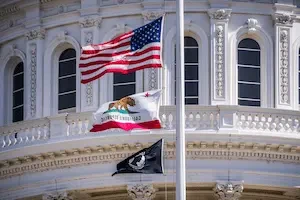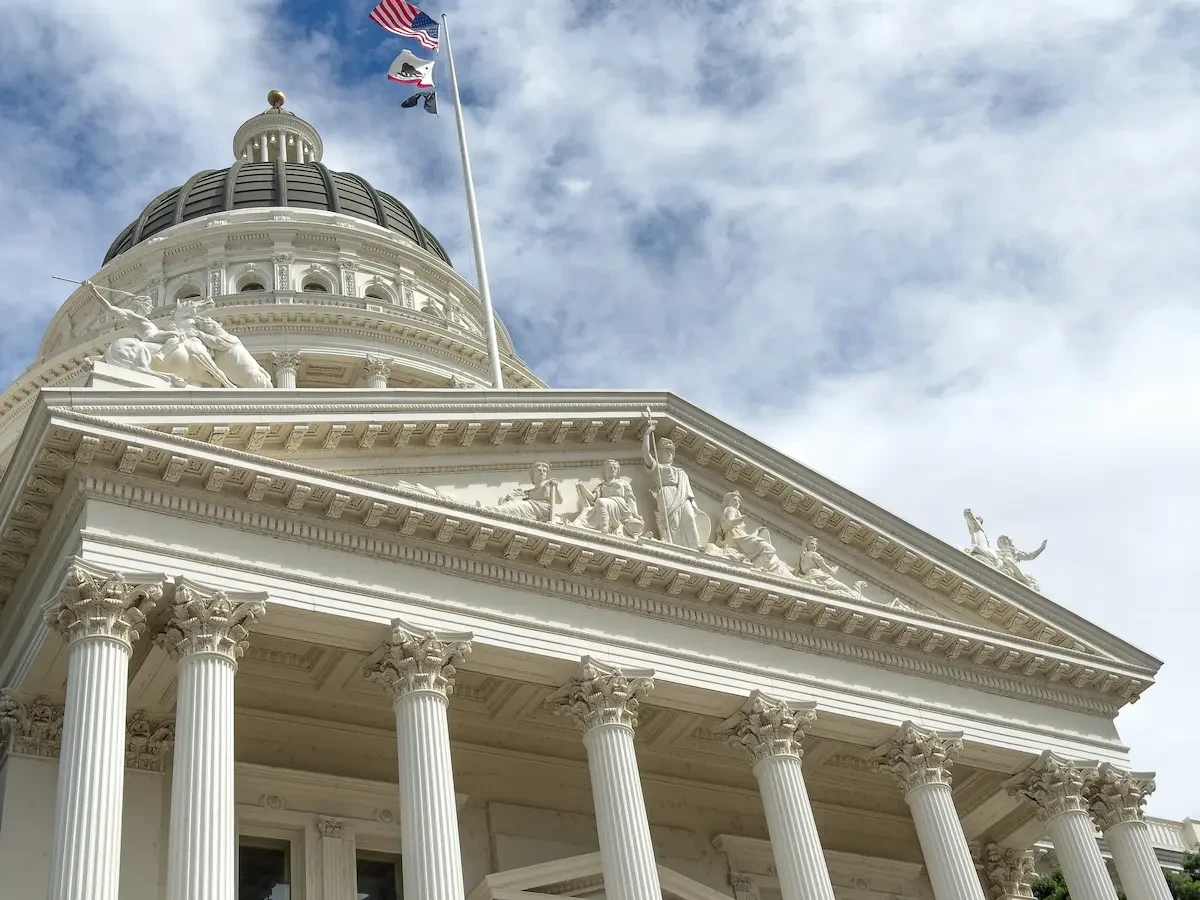
California is among a series of states where auto glass legislation has been introduced in recent months.
Senate Bill 988, the California Motor Vehicle Glass Act, was amended in late March and referred back to the Senate Rules Committee. The bill, authored by state Sen. Tim Grayson, would impose new requirements on auto glass repair shops related to ADAS disclosure, claims authorization, and the transfer of insurance benefits.
The bill's March 23 amendments relocated its requirements from the Insurance Code to the Civil Code and established civil penalties of up to $500 for a first violation and up to $2,000 for each subsequent violation, according to the bill's text. The measure remains pending before the Senate Rules Committee as of March 30.
What the Bill Would Require
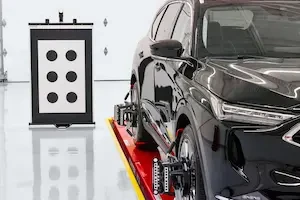
Before providing any service, a glass repair shop would be required to notify the customer whether their vehicle has an advanced driver assistance system and if calibration or recalibration is needed after the windshield repair or replacement.
Once the work is complete, the shop would need to provide written notice stating whether the calibration or recalibration was successful, along with an itemized invoice and receipt. If the calibration failed, the shop would need to advise the customer to not rely on those systems until the vehicle is recalibrated by the manufacturer’s certified dealership or a qualified specialist.
The bill would also ban the transfer of policy rights and benefits in motor vehicle glass insurance claims. An insured would be prohibited from signing over their policy rights to another party, including a repair shop, either before or after a loss. Any contract that does so would be void and unenforceable. The bill does preserve a customer's right to authorize or direct payment to a shop for covered services.
Before starting any insured job, shops would also be required to have a filed claim, a claim or referral number, and a signed good-faith cost estimate in hand.
Finally, the bill states that insureds would not be required to use a specific shop to receive their claim benefits. However, the same provision explicitly permits insurers to recommend shops and maintain preferred repair networks.The bill's current amended status, pending referral by the Senate Rules Committee, means further committee hearings and amendments are possible before the measure advances or stalls in the current session.
Opposition From the Independent Glass Industry
The Independent Glass Association (IGA) announced its opposition to SB 988 on Feb. 10, characterizing the bill as a version of a national legislative template developed by the National Council of Insurance Legislators (NCOIL) and promoted by Safelite AutoGlass and insurance interests.
"This legislation is being presented as consumer protection, but in practice it is a market-control bill," said Gary Hart, executive director of the IGA, in a press release issued by the association. "SB 988 follows the same NCOIL template we've seen pushed in multiple states by Safelite and its insurance partners."
The IGA said that the bill represents a coordinated, multi-state effort to reshape auto glass laws in favor of vertically integrated corporate repair networks and insurers, at the expense of California consumers and locally owned businesses.
"At the foundation of SB 988 is a claim of widespread fraud that simply does not exist," Hart said in the press release. "There is no credible data justifying the removal of assignment of benefits or the erosion of long-standing consumer rights."
What It Means For Your Shop
California collision repair shops and shop owners across the country monitoring similar legislation in their states should consider the following steps:
Review your glass sublet workflow now. If SB 988 or a similar bill passes in your state, requirements around ADAS disclosure, calibration confirmation, and claims authorization may become mandatory before services begin. Auditing your current process against those standards now reduces risk later.
Communicate with your glass vendor. If you sublet glass work, ask your vendor whether they are trained on and documenting ADAS calibration outcomes in writing. The bill would require written confirmation of calibration results and adherence to vehicle manufacturer specifications, standards that could become legally enforceable for any shop operating in California or in states that adopt similar legislation, according to the bill's text.
Track the bill's progress.The amended version of SB 988 was re-referred to the Senate Rules Committee on March 24. The California Autobody Association, through its legislative advocate, is monitoring the bill. Industry members can track the bill's status directly at the California Legislature's official bill page.
Engage with your association. The IGA has stated that direct legislator engagement by independent shop owners has influenced outcomes on similar bills in other states. If your state association is tracking a NCOIL-modeled glass bill, participating in advocacy efforts through those channels is an available option.