

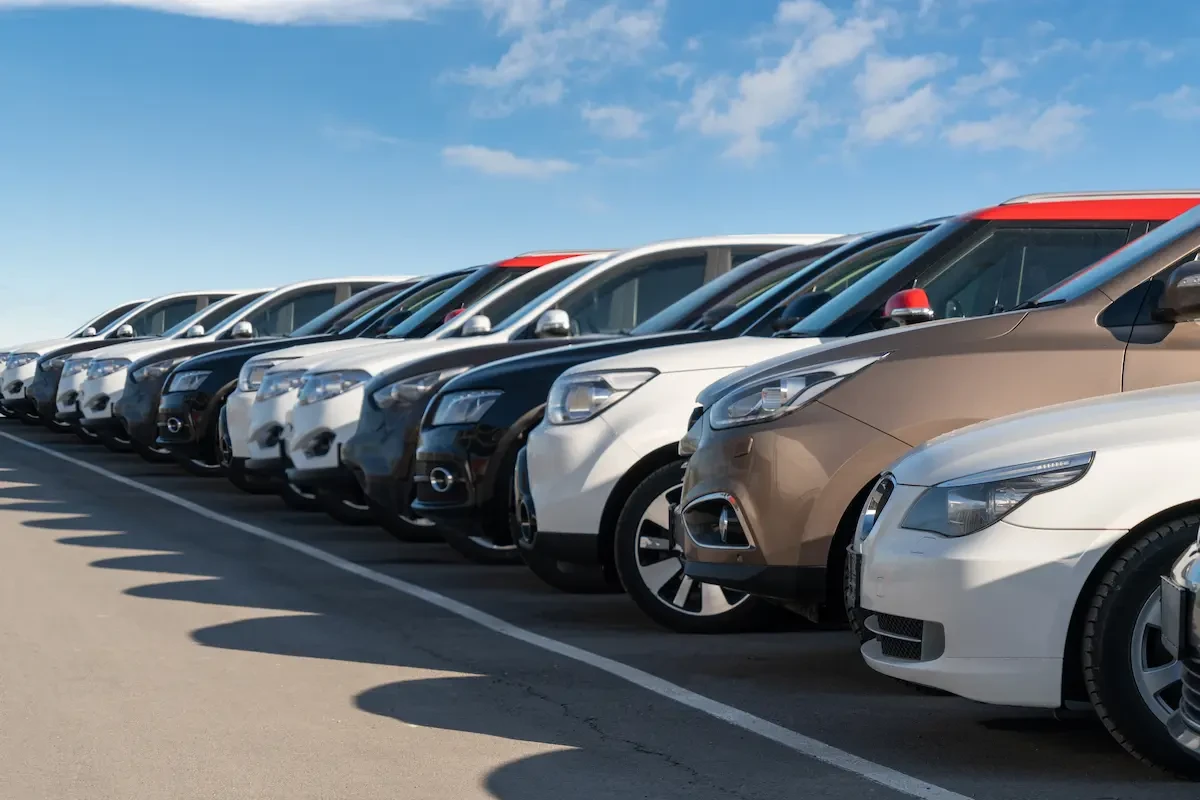
Cox Automotive provided a detailed read on new-vehicle affordability at a moment when the collision repair industry is navigating reduced claims volume, rising total-loss frequency, and a shifting customer-pay landscape.
Cox’s Q1 2026 Industry Insights and Sales Forecast shows that while affordability has technically improved for two consecutive months, new vehicles remain financially out of reach for a large portion of American consumers. It’s a dynamic that directly influences which vehicles end up in repair bays and how long owners keep them.
Obstacles remain for new vehicle purchases
According to Cox Automotive's February Vehicle Affordability Index, income gains and higher manufacturer incentives were enough to offset climbing transaction prices and steady interest rates, producing a second consecutive month of modest affordability improvement.
But despite modest gains, Cox Automotive noted that new vehicles remain widely perceived as financially “out of reach” to consumers, even as income growth is keeping approximate pace with price increases.
The firm's chief economist, Jeremy Robb, framed the broader cost burden on Cox's recent Q1 forecast call, noting that maintenance and repair costs have risen 8.5% annually over the last five years, while auto insurance has climbed an average of 12% annually over the same period, and is now up close to 60% since the end of 2019.
“Those factors, especially the maintenance and repair and insurance, are really, really top of mind for consumers and how they afford their vehicle right now, and the all-in cost of just owning a vehicle,” Robb said.
New auto loan rates have also edged higher, reaching 9.8% as of February. Robb attributed the increase in part to a growing share of subprime borrowers on both new and used loans. "Those higher rates skewed the average overall up, even as the Fed has cut rates three times since last summer," he said.
Cox also noted that the February figures predate the outbreak of conflict in the Middle East, which has since pushed loan rates higher and weighed on consumer sentiment, according to the Auto Market Weekly Summary published March 23.
Robb said on the forecast call that gas prices have already risen 32% in March alone as a result of the conflict, describing elevated fuel costs as a regressive pressure that hits lower-income consumers harder than others. “Gas prices rise fast, and they can fall fast, but they function as a regressive tax, hitting lower income consumers harder than others,” Robb said.
New vehicle sales in March 2026
According to Cox Automotive's March sales forecast, the new-vehicle sales pace for March is expected to come in at a seasonally adjusted annual rate of approximately 15.8 million, roughly flat with February and in line with the pace that closed out 2025.
Cox Automotive senior economist Charlie Chesbrough characterized the market's current state in the March sales forecast: “Sales are no longer swinging wildly month to month, but growth is also harder to come by. Affordability remains the central challenge for the industry, and that is limiting the market's ability to expand beyond the mid-15-million range.”
Chesbrough also cautioned that a prolonged Middle East creates uncertainty in the market.
“We assume the war and the resulting oil price volatility will only last a few months,” Chesbrough said on the forecast call. “A prolonged conflict could create a much more negative outlook, but we aren't there yet.”
What new-vehicle affordability means for collision repair shops
For collision repair shops, new-vehicle affordability is not simply a retail concern. Sustained high ownership costs have steered a growing share of buyers toward older used vehicles rather than new ones. CarGurus data shows the total cost of used-vehicle ownership is running 39% above 2019 levels, reinforcing that financial pressure is not confined to the new-vehicle market.
That dynamic means more consumers are holding onto existing vehicles longer rather than replacing them. According to CCC Intelligent Solutions data, the average vehicle on U.S. roads was approximately 12.7 years old in 2024, with the figure projected to reach 13 years by 2026.
As that population ages, the likelihood of a total loss following a collision increases. CCC data shows vehicles seven years old and older represent more than 70% of total-loss valuations, a reflection of repair costs that frequently exceed the depreciated value of older vehicles.
At the same time, newer vehicles that do enter shops carry greater complexity. CCC data from 2024 found that electronic scans appeared on more than 85% of direct-repair program estimates for vehicles three years old or newer, with calibrations included on nearly 30% of those appraisals.
How shops can respond to market conditions
For shop owners tracking these trends, the Cox Automotive data points to several concrete areas worth addressing before market conditions shift further.
Prepare for a prolonged older-vehicle mix. Shops may want to plan equipment investments, parts sourcing, and technician training around an aging vehicle population rather than an influx of late-model units.
Build customer-pay capacity and processes. As new-vehicle affordability stress persists and insurance deductibles remain elevated, customer-pay work will likely continue growing. Shops that have not yet formalized financing options, transparent pricing menus, or customer-pay intake workflows should treat that as an operational priority.
Watch parts cost trends and tariff exposure. Producer price inflation and tariff risk on parts are not yet fully reflected in shop estimates. Shops should review parts sourcing agreements, evaluate where alternative suppliers exist, and ensure supplement processes are current to capture emerging cost increases.
Track the Middle East conflict's effect on fuel and consumer confidence. Rising energy prices reduce household discretionary income, which can suppress both new-vehicle purchases and voluntary repairs.
In the forecast presentation, Robb noted: "If inflation begins ticking higher, it will further squeeze the earnings power of consumers, and higher fuel costs are aggressive in nature and hit lower income consumers directly with a decline in savings rates, this could mean households have to defer big ticket purchases even longer."





Lisa McArdle