

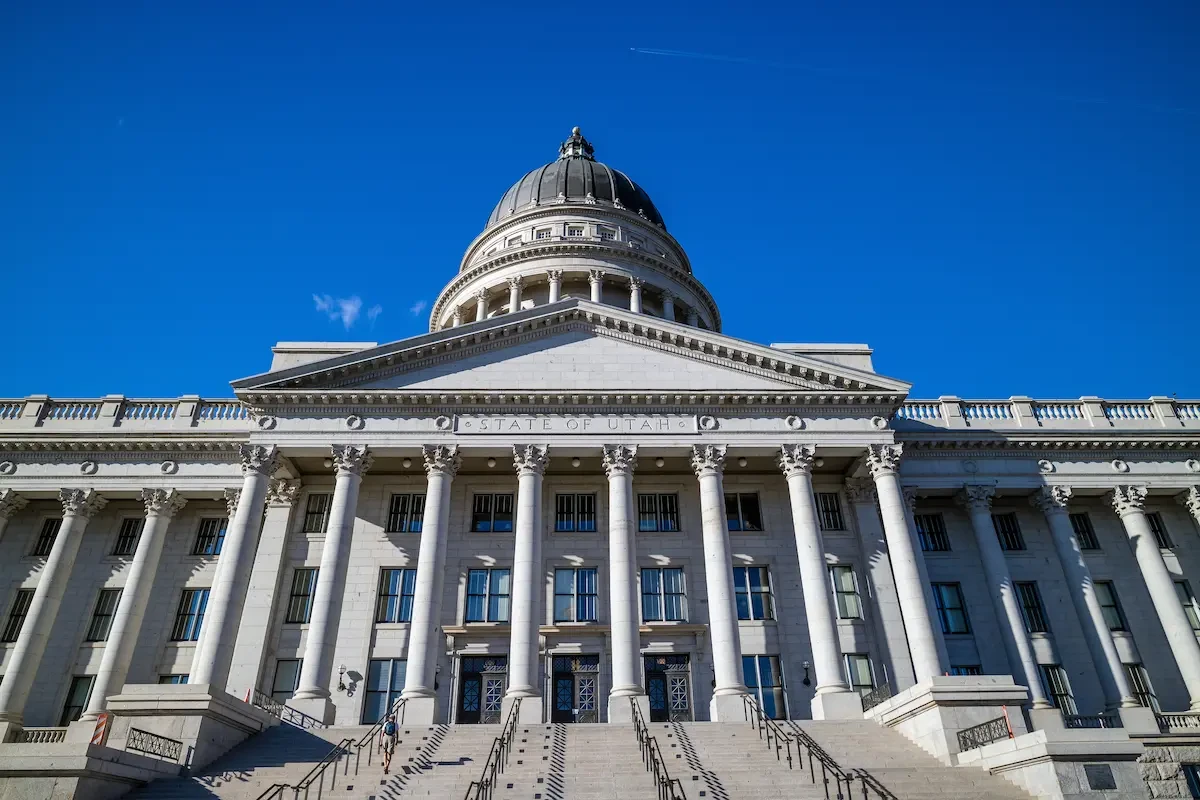
Utah lawmakers have approved H.B. 119, a measure that would require auto insurers to notify policyholders at issuance and renewal that aftermarket crash parts may be authorized or specified in a covered repair.
The bill also maintains statutory requirements governing how non-OEM aftermarket parts are identified and disclosed in repair estimates, directly affecting collision repair facilities’ documentation practices.
The bill was sent to Gov. Spencer Cox on March 16 and would take effect May 6, if signed.
What the bill says
Under the enrolled version of the bill, insurers issuing or renewing policies on or after Oct. 1, 2026 must provide written notice to policyholders regarding the potential use of aftermarket crash parts.
The bill states insurers must disclose that they “may authorize or specify the use of aftermarket crash parts in the event of a covered loss,” and that such parts are required to be “at least equivalent in kind and quality in terms of fit, quality, and performance.”
The legislation also reinforces requirements tied to repair estimates. When non-OEM aftermarket parts are specified, written estimates must clearly identify each part and include a disclosure stating the parts are not made by the original manufacturer and that any warranties are provided by the part manufacturer or distributor, not the vehicle manufacturer.
The bill also distinguishes between “OEM aftermarket crash parts,” defined as parts made for or by the vehicle manufacturer, and “non-OEM aftermarket crash parts,” which are not made for or by the manufacturer.
The bill passed the Utah House on a 68-1 concurrence vote following Senate amendments.
The enrolled version of H.B. 119 retains requirements governing how non-OEM aftermarket crash parts are addressed in the repair process, including statutory language that such parts must be “at least equivalent in kind and quality in terms of fit, quality, and performance.”
Legislative documents show earlier versions of the bill included provisions that would have applied to repair facilities and installers related to the use of aftermarket crash parts meeting equivalency standards. Those provisions were removed prior to final passage.
Utah’s action comes as states continue to examine how evolving vehicle technology and repair complexity intersect with insurance practices and parts usage. Similar legislative efforts include a Maryland proposal addressing ADAS calibration and licensing requirements for repair facilities.
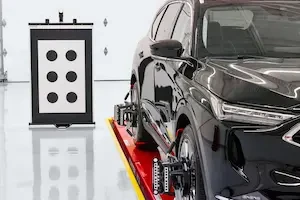
That legislation reflects a broader shift toward increased scrutiny of repair procedures tied to modern vehicle systems, where components such as bumpers, windshields, and sensors play a role in vehicle safety systems. Collision repair businesses are adapting to these changes, including increased focus on training, liability considerations, and integrating specialized services such as glass and ADAS calibration into operations.
Implications for collision repairers
If the Utah bill is signed, collision repair shops in Utah will need to ensure that written estimates clearly identify any non-OEM aftermarket crash parts and include the required disclosure language. Since the law distinguishes between “OEM aftermarket crash parts” and “non-OEM aftermarket crash parts,” repairers and estimators will need to use consistent terminology aligned with those definitions when preparing estimates and documentation.
In addition, collision repair shops working with insurers may need to align their documentation with insurer disclosures provided at policy issuance and renewal.
For now, the bill awaits action from the governor.



Lisa McArdle