

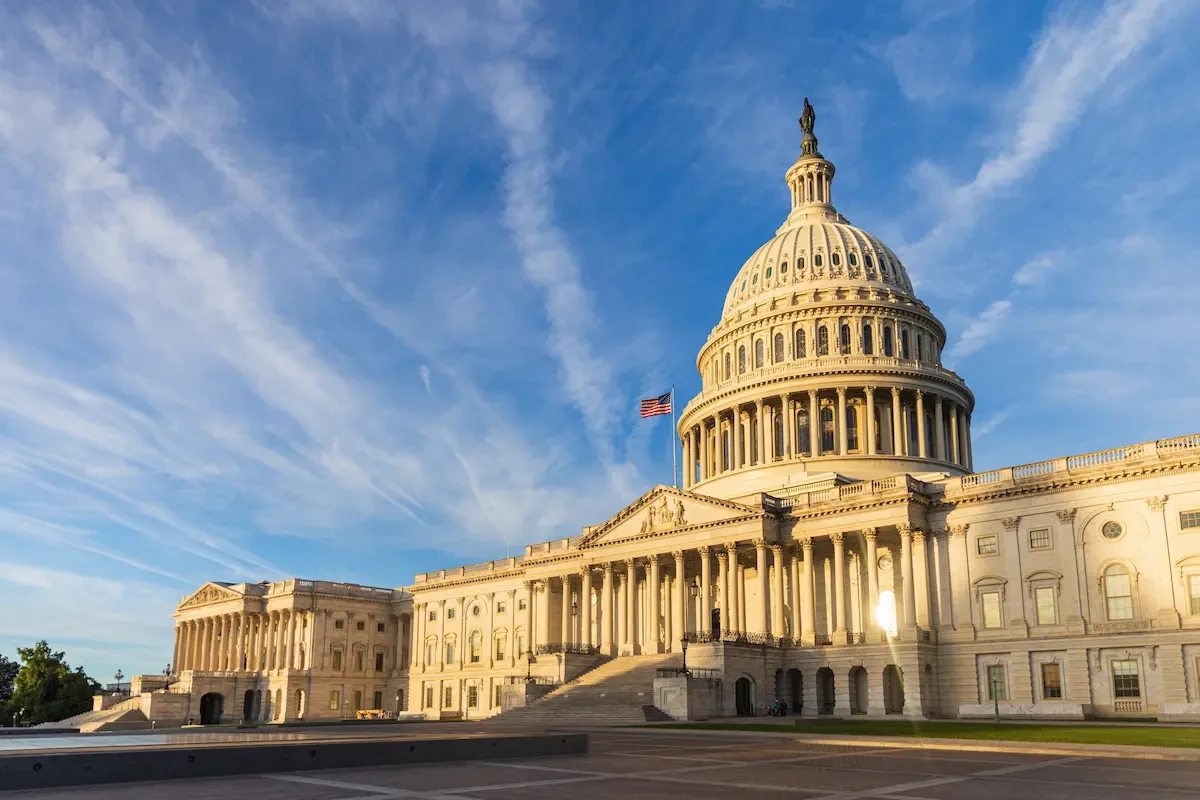
Right to repair has moved beyond policy debate and into operational reality for collision repairers.
Between state-level mandates, competing federal legislation, ongoing court challenges, and evolving OEM data strategies, 2026 is shaping up to be a pivotal year. For collision shop owners, managers, and MSO leaders, understanding where things actually stand is critical before making strategic decisions.
“The need for federal auto repair protections has never been stronger,” said Ian Musselman, senior vice president, external affairs, at LKQ Corporation. “Numerous state proposals seek to limit the use of aftermarket parts; repair choice remains tied up in costly automaker litigation; and some have discussed a federal proposal to limit repair options and accessibility even further.”
State laws
Massachusetts
Massachusetts remains ground zero for modern automotive right-to-repair policy.
In 2020, voters approved an expansion of the state’s automotive right-to-repair law requiring manufacturers to provide independent repair facilities access to vehicle telematics and wireless mechanical data through a standardized platform.
The law passed. Automakers challenged it in court. The Alliance for Automotive Innovation argued that federal vehicle safety and cybersecurity laws preempt portions of the Massachusetts measure, but this was dismissed.
The 2020 update to the 2012 law requires automakers to:
- Equip vehicles sold in Massachusetts with a standardized open-access platform for mechanical data starting with model year 2022 vehicles.
- Allow vehicle owners and independent repair shops to access telematics data needed for diagnostics, maintenance and repair.
- Ensure access occurs through an owner-authorized mobile application or similar system.
Other states: Momentum, but inconsistent
Several states have introduced right-to-repair proposals modeled in varying degrees after Massachusetts. Most focus on mechanical diagnostics rather than collision-specific procedures.
There has been growing support among small business groups for federal clarity when state efforts stall, including renewed legislative pushes in 2025 and early 2026.
While state-level expansion remains possible, a uniform national framework has not materialized. Other states have introduced Right to Repair legislation that applies to other things like electronics and farm equipment, but not vehicles yet.
Maine
Maine’s Right to Repair officially took effect Jan. 5, 2025, but full implementation has stalled due to legal and regulatory disputes. The initiative specifically targets vehicle telematics systems, which transmit diagnostic information wirelessly from the vehicle to manufacturers and dealers.
The law requires creation of an independent entity to administer the data-access platform, but that entity has not yet been established.
Legislature reconvened January 2026 to finalize amendments to its telematics access law. Until a standardized data-access system and governing entity are created, independent repair access to telematics data remains uncertain.
Federal activity
Momentum at the federal level has accelerated.
The Right to Equitable and Professional Auto Industry Repair Act — known as the REPAIR Act — was reintroduced in the House in February 2025 and later introduced in the Senate in April 2025.
The bill would require automakers to provide independent repair facilities with access to diagnostic codes, calibration tools, and essential repair information.
Supporters argue federal action would prevent a fragmented state-by-state system and protect independent repairers. They are pushing for the REPAIR Act to be included in the Surface Transportation Reauthorization Act, which Congress must pass by Sept. 30.
A separate proposal, the SAFE Repair Act, emphasizes consumer protection and safety oversight in the repair-access debate. It is backed by the Society of Collision Repair Specialists (SCRS), the Automotive Service Association (ASA), and the Alliance for Automotive Innovation (Auto Innovators), but has not yet been introduced as a piece of legislation.
Lawmakers appear aligned on the importance of repair access but divided on regulatory structure.
“With collision repair volume down 9% year over year, due in part to vehicle repair costs far outpacing overall inflation, we need common-sense policies to promote a vital industry through greater competition and affordability,” said Musselman. “Thankfully, there is bipartisan support for federal legislation — including the REPAIR Act — to ensure comprehensive access to data and parts. Now is the time to get this done for consumers, small business repair and collision shops, and the economy.”
Where automakers stand
Publicly, automakers support consumer choice. Operationally, they continue to control vehicle data architecture through subscription-based OEM repair portals, proprietary scan-tool ecosystems, and certified repair network structures
The Alliance for Automative Innovation states on its official policy page that vehicle owners “have the right to choose where they repair their vehicle” and that manufacturers already provide repair information to independent facilities.
However, access to vehicle diagnostics, repair procedures, and programming typically occurs through subscription-based OEM portals such as Toyota’s Technical Information System, Honda’s Service Information System, and GM’s ACDelco Technical Delivery System.
The bottom line for collision repairers
Right to repair in 2026 is a layered, evolving issue involving:
- Ongoing state-level enforcement questions
- Competing federal legislation
- OEM data strategy
- Rapid vehicle software complexity
- Expanding liability expectations
“For collision and autobody shops, the stakes are practical: as vehicles become more software-driven and connected, manufacturers increasingly control the data needed for diagnostics, calibrations, and repairs,” said Bill Hanvey, president and CEO, Auto Care Association. “Right-to-repair policies aim to ensure independent shops can continue to perform the full scope of repairs without being forced to rely on manufacturer-controlled channels, helping preserve shop independence, customer choice, and the ability to compete fairly as vehicle technology evolves.”




Lisa McArdle