More than 600,000 unique vehicle configurations were sold in North America last year. For shops, that means the F-150 on the lift and the F-150 in the carrier's pricing model aren't always the same vehicle.
A new J.D. Power report puts dollar figures on how much that configuration gap costs: per-vehicle pricing built on partial vehicle-identification data can miss the mark by as much as $15,000.
The March Insurance Intelligence Report, authored by J.D. Power Head of VIN Products James Vecchio, traces the problem to the scale of modern vehicle customization. Within the large pickup truck segment alone, the Ford F-150 offers more than 100,000 unique build configurations.
For shops, that variation is the everyday reality behind scope disputes. For carriers, it is a blind spot they have been slow to address, the report argues.
The same spec sheet, different trucks
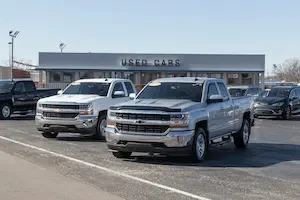
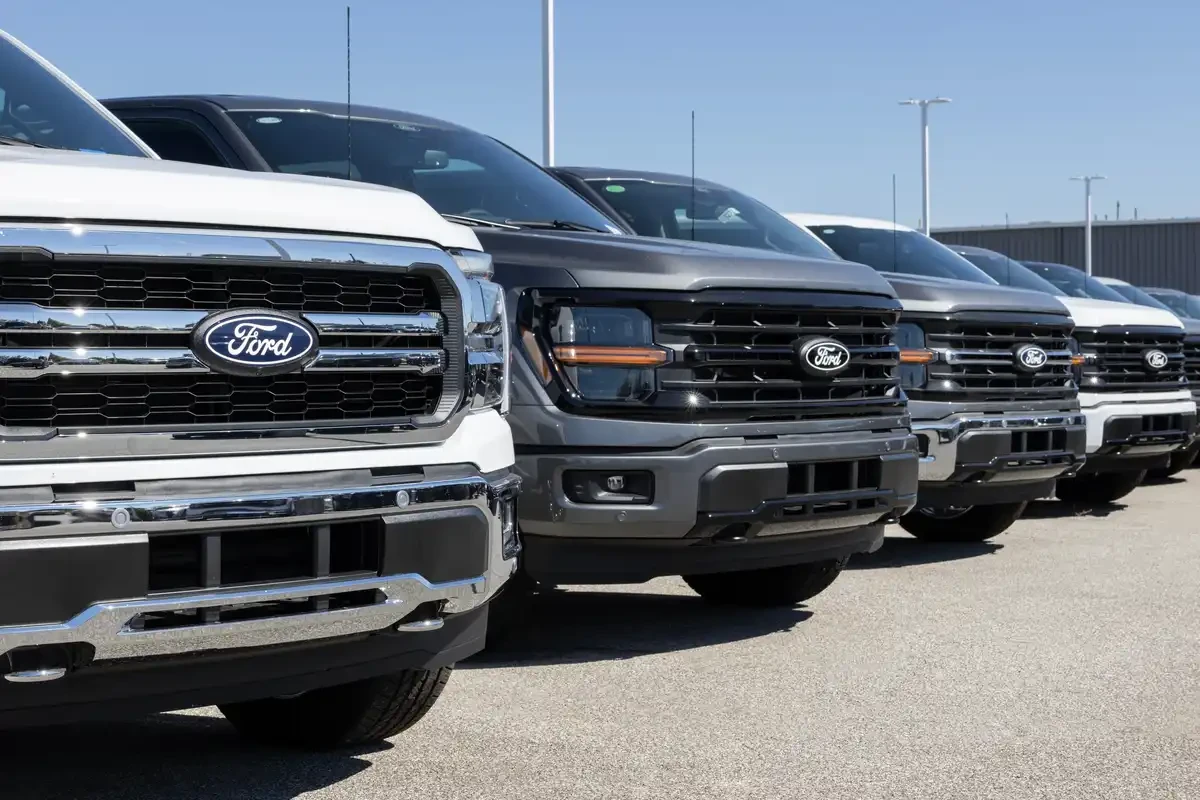
J.D. Power's core illustration is a 2024 Ford F-150 Lariat 4WD SuperCrew with a 5.5-foot bed. It could have sold for approximately $69,630 with standard options, or $84,465 fully optioned.
Same year, same make, same model, same trim. A $14,835 spread driven entirely by factory-installed options, packages, and custom features.
The discrepancy compounds when depreciation enters the calculation. That same F-150 is now worth approximately $50,965, a 28% decline from MSRP. Under traditional depreciation models that assume roughly 20% per year, carriers might have estimated $55,165, leaving another $4,200 gap between projected and actual value.
J.D. Power attributes the core problem to the shortened "squish VIN" identifier most carriers rely on for underwriting. Squish VINs capture basic vehicle identity, like year, make, model, and sometimes trim, but stop short of the factory build data needed to establish what a specific vehicle is actually worth to replace.
Without the full 17-digit VIN and corresponding OEM build data, the report states, carriers "may not know which configuration they are actually insuring."
Shop estimators see the configuration on every repair plan they write. The ADAS packages, trim-specific parts, and sensor arrays that distinguish one F-150 from another drive the scope they document and the line items adjusters question.
Where the data gap lands in the shop
Rapidly expanding vehicle technology is a compounding factor, the report notes.
"Accurately modeling this risk requires insurers to know precisely which safety technologies are installed on each vehicle they insure," the report states. Without detailed VIN-level configuration data, it adds, carriers lack visibility into which vehicles contain those systems and which do not.
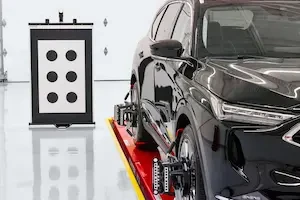
The complexity extends into repair itself. CCC Intelligent Solutions' 2026 Crash Course report, released March 31, found that 28.3% of all repairable estimates in 2025 included at least one calibration, up from 21.8% the year before — a 6.5 percentage point jump in a single year. Total loss frequency hit 23.1% of claims in 2025, a record in CCC's data.
Two vehicles with the same trim can require different calibration sets depending on which ADAS packages were factory-installed.
The depreciation problem is sharper for EVs. J.D. Power's data projects EVs to lose 59% of value over five years, compared with 46% industry-wide. Carrier models calibrated for slower industry-average depreciation may overvalue EVs at underwriting.
That disconnect is familiar territory for any estimator who has documented an OEM procedure only to see it challenged in a supplement. A June 2025 webinar on the gap between OEM repair procedures and insurer payment policies featured Certified Collision Group Vice President of Strategic Initiatives Liz Stein and Square One Systems Senior Vice President Erin Solis, who described the dynamic as rooted in the pace of vehicle technology change.
Vehicle technology has advanced more in the last decade, Solis said, than in the previous 30 years combined.
What shops can take from the report
The J.D. Power data lands as outside validation for shops writing scope. The configuration-specific line items carriers routinely question are among the items a national analytics firm says carrier systems systematically fail to capture.
J.D. Power frames the solution as a carrier-side adoption of full 17-digit VIN decoding and OEM build data. "As vehicles have become 'computers on wheels,' with significant price variations, knowing the exact build data — not just the year, make, and model — is the difference between profitability and a loss ratio spike," the report states.
That framing arrives as state regulators are already examining how carriers deploy artificial intelligence in claims decisions. A 12-state NAIC pilot program launched in March 2026 requires participating insurers to submit AI systems, including those that determine total loss thresholds and parts valuations, for regulatory review. Those systems depend on the configuration data J.D. Power says is currently incomplete.
The report's recommendation of full 17-digit VIN decoding and OEM build data aligns with what shops already capture on every repair plan. For estimators writing scope, the J.D. Power data is a carrier-side argument for what they have been seeing all along.