



A new legislative model designed to function as a framework for auto glass claims could put independent business owners at risk, according to one industry leader.
The National Council of Insurance Legislators’ auto glass legislative template sets a precedent for the way state legislatures may choose to regulate auto glass claims. It has come up for vote several times over the past year in states like New York, Iowa, and now in Washington state. It’s been signed into law already in some states.
The Independent Glass Association (IGA) has come out in opposition to SB 5871 in Washington based on assertions that the bill ignores the effects of steering in relation to insurance and could contribute to loss of business for independent shops.
Consumer choice and steering
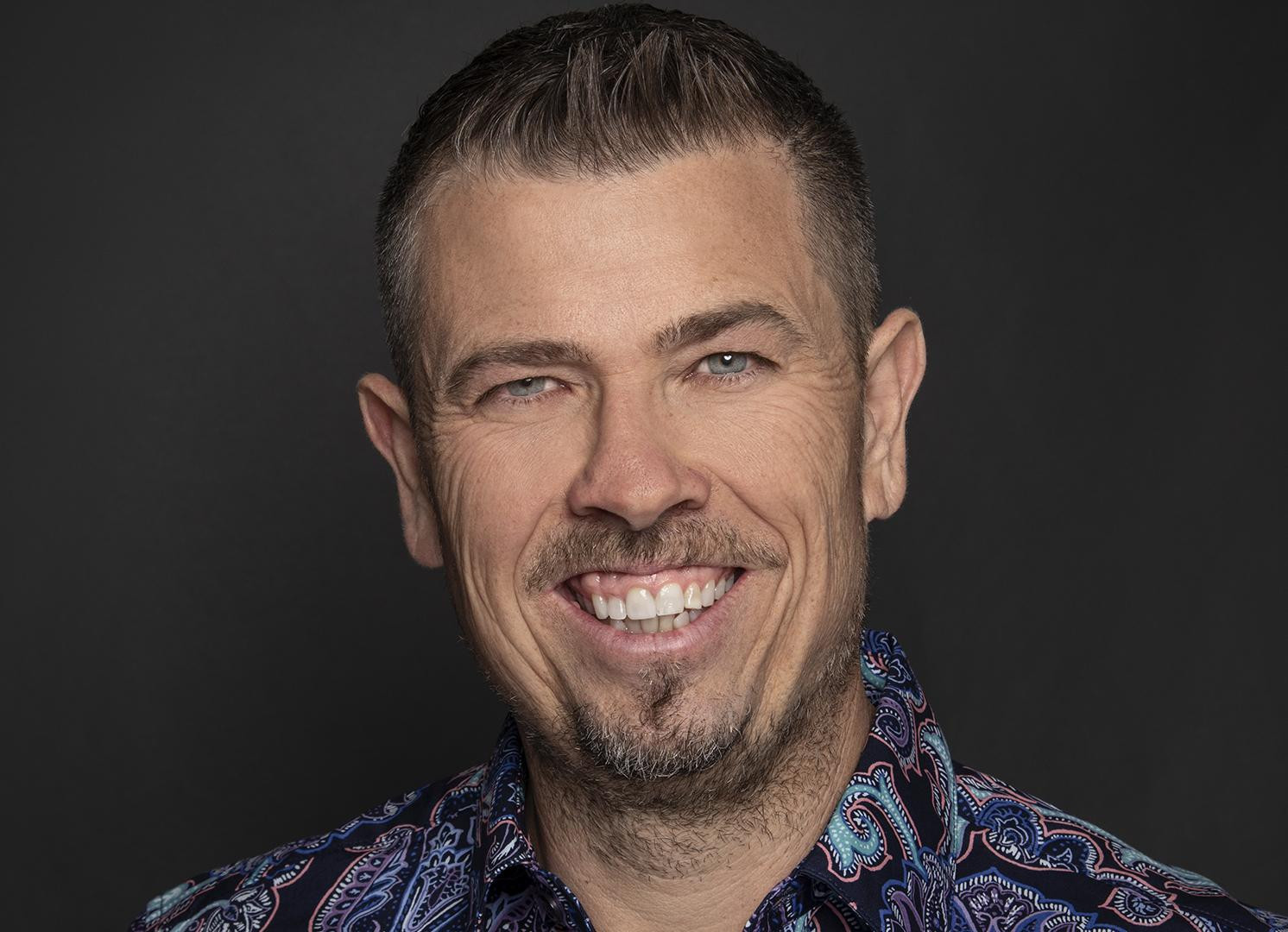 Gary Hart, president of the Independent Glass Association, says a proposed auto glass framework risks a shift toward steering.The bill, Independent Glass Association President Gary Hart said, holds that consumers’ ability to select a shop as an insured is inherent under state law. The IGA disagrees. Over the past few years, the association has faced more complaints from its members about steering, a practice in which an insurance provider or third-party administrator directs potential customers in the direction of a specific provider.
Last year, the association filed an antitrust claim against Safelite Solutions, the insurance claims management service of glass replacement giant Safelite, alleging that the company is funneling customers away from independent repairers and toward its own locations in its role as a third-party administrator during the insurance claims process.
The bill, Hart said, with its assumption that consumer choice is inherent, does not address the concept of steering. Ultimately, the legislation, Hart alleges, puts independently owned glass shops at increased risk of losing customers and sticks insureds with a greater financial risk if they’re being steered and prevented from making their own decisions on which shops to use.
Safety aspects and possible solutions
The IGA isn’t opposed to all parts of the bill. There are some ADAS safety aspects it addresses that the association finds useful, Hart said.
“We're fully on board with the safety; we absolutely agree with the statements as far as ADAS calibration and those things that require notification to the customer, providing them with the pass-fail documentation at the end of it,” he explained.
A solution in the eyes of the IGA could involve adding to the bill revocable authorization, a mechanism in which shops can make sure pricing and severity is agreed upon with customers, but which insurance companies have the right to revoke with a 30-day written notice. Hart said including examination of non-network rates in the bill will allow shops to have a voice beyond what third-party administrators put forth as network pricing, which most insurance companies accept during the claims process as customary. Customary rates, Hart pointed out, can be miles apart, however, based on a shop’s market location.
Bill introduction and industry interaction
Industry groups, Hart said, often speak to lawmakers about introducing these types of bills through a third party.
“What we see now is they're targeting what we call sleepy states — states that don't necessarily have any issue with regards to fraud and lawsuits,” Hart said. “We've scratched our heads about Iowa. Like, ‘Why Iowa?’ It’s because they think maybe the shops won't be as coordinated,” he said.
For Iowa, he said, that assumption would be true. For states without tight networks among shops that will get behind efforts to influence legislation, that effort is going to be much harder, he said.
“Our funding exhausts very quickly in these matters, so without the shops getting behind it and taking it from there, our hands are tied,” Hart said. “We're stretched very thin as an organization right now.”
There is still time for industry members to voice opinions on the matter and contribute to the legislative process, though, Hart said. Concerned parties from anywhere in the United States may visit the IGA website to submit written or video testimony through tomorrow. The IGA, Hart said, has already submitted video and written testimony.
“I’m making sure we’re on the record in more than one way,” he said.
The hearing can also be seen live on the IGA website. It’s up to independent shop owners to speak up in situations where they feel overlooked, Hart said.
“Sadly, our association can only do so much. We can advocate, we can write letters, but it really requires the independent glass shops at the state level to get involved, and that's the challenge that we still have today,” he said. “A lot of people in society, and especially business owners, choose to wait on the sidelines thinking somebody else is going to do this for them.”



Elizabeth Green