


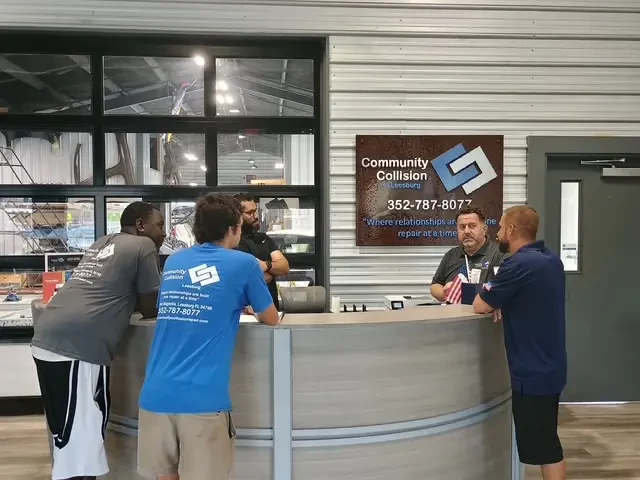
When cycle times suffer, collision repair operators often look outward, blaming parts shortages, insurer delays or supply chain disruptions. At Community Collision Centers in Leesburg, Fla., the instinct was the same. The reality was different.
After a closer look at their own operation, the leadership team at the two-location shop discovered something uncomfortable: most of the delays were self-inflicted. And fixing them didn’t require new software, additional headcount or a major overhaul. It required slowing down, listening and getting the basics right.
The result? Approximately three days shaved from repair cycle time.
The pattern nobody wanted to see
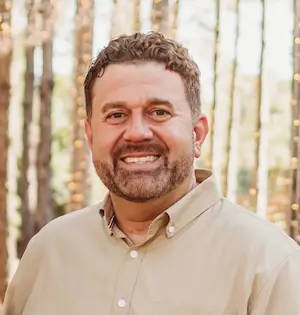
Director of Operations David Laszlo says the problem gradually revealed itself through daily morning meetings, where the same issues kept surfacing.
“We were seeing issues on almost every car,” he said. “A part was wrong. A part wasn’t ordered. A part was damaged. We kept seeing the same things over and over.”
The shop had assumed the culprit was external. But reviewing repair orders told a different story. Parts were arriving, getting a quick visual check, and moving straight into production without being verified against the damaged components they were meant to replace.
“There are so many variations today,“ Laszlo said. “Bumpers, brackets, headlights, trim pieces, and they can all look very similar. Just because a part arrives doesn’t mean it’s the correct part.”
Technicians would begin repairs only to discover the wrong component had been staged. Sometimes the error wasn’t caught until late in the process, forcing work to stop, parts to be reordered, and vehicles to be put back in the queue. Those interruptions added up fast.
The fix: Shared ownership
Rather than hand the problem to a single department, Community Collision Centers made parts verification a team-wide responsibility.
“It didn’t matter who it was: managers, estimators, technicians, detailers, or myself,” Laszlo said. “If parts came in, we all took ownership of making sure they were correct.”
The updated process requires opening boxes upon arrival, checking for shipping damage, comparing parts against invoices, and physically verifying each component against the damaged part being replaced. Technicians and painters are brought in whenever there’s a question about fit, finish or application.
Laszlo said one of the facility’s biggest low-tech change it made was to keep the original packaging until parts are verified and installed. Before, boxes had been quickly discarded after a quick inspection. If a part later turned out to be wrong, returning it became challenging and often impossible.
“We learned that saving the box can save you a lot of money,” Laszlo said.
The real lesson: Leadership has to listen
Process improvements matter. But Laszlo is candid that the deeper lesson was about management, not parts.
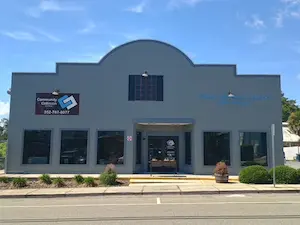
Community Collision Centers in Leesburg, FL, reduced repair cycle time by approximately three days after improving parts verification procedures and acting on technician feedback.
The technicians had been flagging the problem. Leadership just hadn’t fully heard them.
“Our team kept telling us there was a problem,“ Laszlo said. “Once we really listened, we realized they were right.“
He now treats repeated employee feedback as a trigger for action, not a nuisance.
“If you hear about something once, mistakes happen,” he said. “But if you hear about the same issue two or three times, that’s a call to action.”
His advice to other operators: resist the urge to defend existing processes when patterns emerge in employee feedback. The people closest to the work often see the problems most clearly and most accurately.
“It’s not always easy to take a hard look at your own operation,” Laszlo said. “Most of us are proud of what we’ve built. But sometimes you have to step back and admit there are opportunities for improvement.”
What shops can take from this
The improvements at Community Collision Centers cost nothing beyond attention and accountability. No new technology. No new hires.
For operators chasing cycle time gains, that’s a meaningful data point. Sometimes the most expensive inefficiencies are hiding in plain sight — in processes that seem fine until someone actually looks.
As Laszlo put it: “Just because you think you’re doing something well doesn’t mean you actually are.”








Leona Scott