


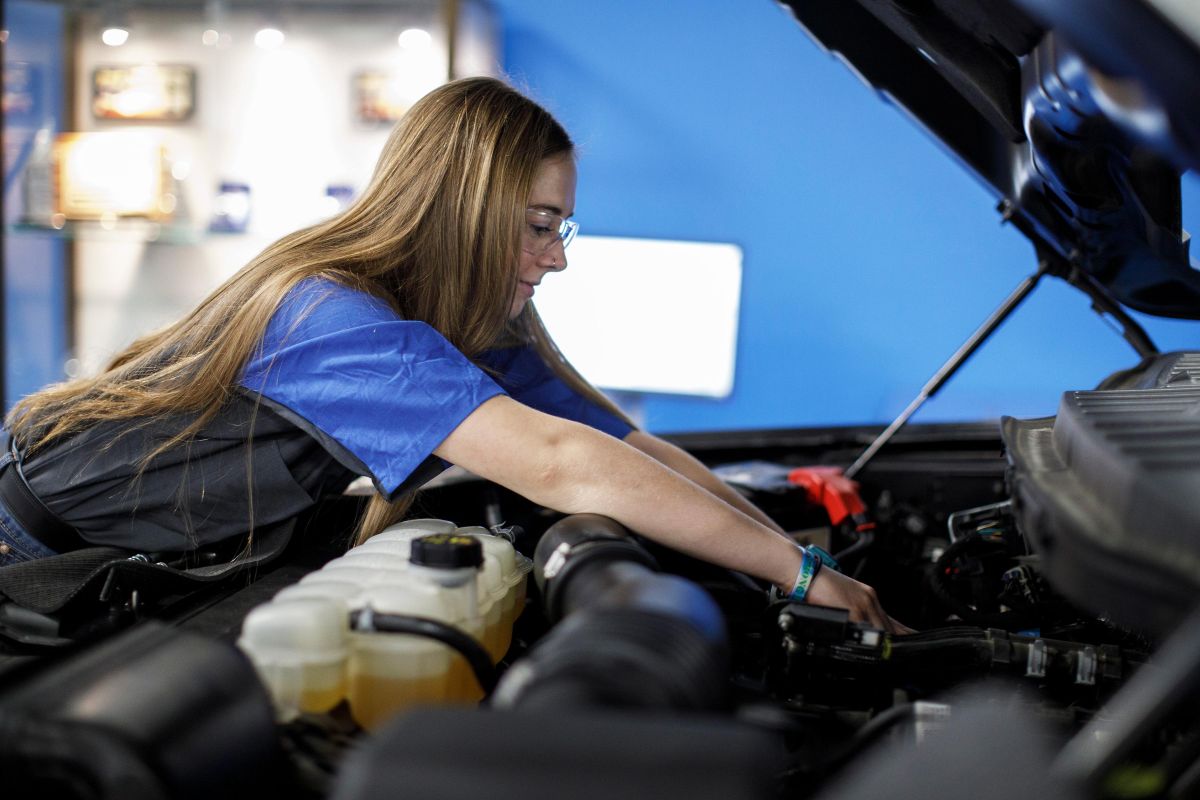
Ford Motor Company recently updated all of its collision position statements, clarifying its stance on the use of non-OEM parts and designating pre- and post-repair scanning “required,” among other changes.
All 11 updated Ford and Lincoln collision position statements, released Oct. 1, are available to all repairers in several locations:
· www.fordcrashparts.com
· www.fordtechservice.dealerconnection.com
· www.motorcraftservice.com
· www.oem1stop.com
“These updates are designed to directly benefit every Ford and Lincoln owner,” Andrew Mcinnes, Ford’s Collision & Global Brand Protection manager, told Autobody News. “They ensure that if your vehicle's involved in a collision, it’s repaired to the highest possible standards, bringing it back to its original safety performance in structural integrity, meaning those customers can have peace of mind knowing that all their critical safety systems, like all their ADAS functionality, will work exactly as it should have right from the factory.”
The updates also benefit collision repairers, Mcinnes said, as they “bring everything up to date, remove any ambiguity, try to make the language clear, explain why we take the position we take when it comes to specific repairs, and to give them that that peace of mind that they understand what needs to be done.”
The collision position statements lend credibility to repair documentation, helping shops get paid by insurers for required parts and procedures.
In addition to requiring pre- and post-repair diagnostic scans, the statements specify “clip” repairs, in which panels or structures from two different vehicles are joined to repair collision damage, will not be covered under warranty; invalidate the use of salvaged, aftermarket or remanufactured components, body panels, structural members, bumper reinforcements, wheels, safety restraints, fasteners, cameras and sensors; and disapprove of clearcoat blending.
The statements also outline Ford’s rationale behind its positions and how it benefits vehicle owners.
Ford noted its position statements are intended to be used with the full vehicle service information and are not a substitute for the official workshop manual procedures.
Mcinnes said Ford has been drafting its suite of position statements since 2018 as new technologies, powertrains and materials became available.
“Given how quickly vehicle technology continues to evolve, we really wanted to focus on bringing our guidance on pace with that across all of our position statements,” Mcinnes said. “Since we are taking the time to update the ones that were more relevant to that newer and evolving technology, we said, let's look at all of them. Let's bring them up to today's standards, with consistent language that’s easier to digest.”
Ford is already taking a proactive approach by involving its vehicle design teams, so if a new vehicle necessitates another position statement update, the company can release it in advance of the vehicle hitting the market, Mcinnes said.
The bottom line is that Ford wants its customers to always receive a repaired vehicle with its original safety and performance restored, protecting both their investment and their family, he reiterated.




Abby Andrews