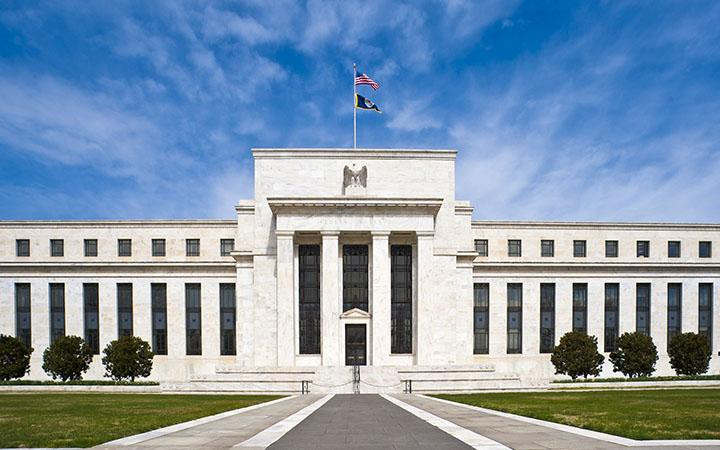
The Federal Reserve on Sept. 17 lowered its benchmark interest rate by a quarter point to a range of 4.00%-4.25%, marking its first cut since December. The move was intended to counter a weakening U.S. labor market and support economic stability even as inflation remains “slightly above target.”
The Fed also indicated it intends to cut the rate twice more in 2025.
Lowering the rate tends to reduce borrowing costs for banks, which can lead to lower interest rates for business loans, lines of credit and equipment financing. Shops seeking to refinance debt or purchase expensive equipment may see improved terms. This could be especially helpful for those who deferred investments during periods of high rates.
However, several sources caution that rate cuts don’t immediately translate into substantially lower rates on all credit, especially for high-risk or variable‐rate debt. Lenders often lag in passing along cuts, and some consumer‐facing rates, like auto loans and credit cards, may drop slowly.
Shops depend on customers getting into cars, whether through new purchase or repair insurance. Rate cuts may gradually lower borrowing costs for auto loans, making car purchases more affordable, which in turn supports collision repair demand. Still, the transmission is often slow.