Collision repair shops face a growing menu of technology promising to speed up cycle time, cut costs, or catch what a human eye might miss. Some of it delivers. Some of it is still catching up to the promise.
This month, Autobody News asked its Technology Council about which technology they felt was delivering real value in collision repair right now, and which hasn't yet hit its stride.
The answers pointed to different technologies as their pick for real value right now. But they also circled back to the same underlying problem: completing a repair step and confirming it was actually done correctly are two different things, and the tooling to close that gap consistently hasn't caught up yet.
In-house calibration cuts sublet costs, but a completed drive cycle isn't proof of a correct one
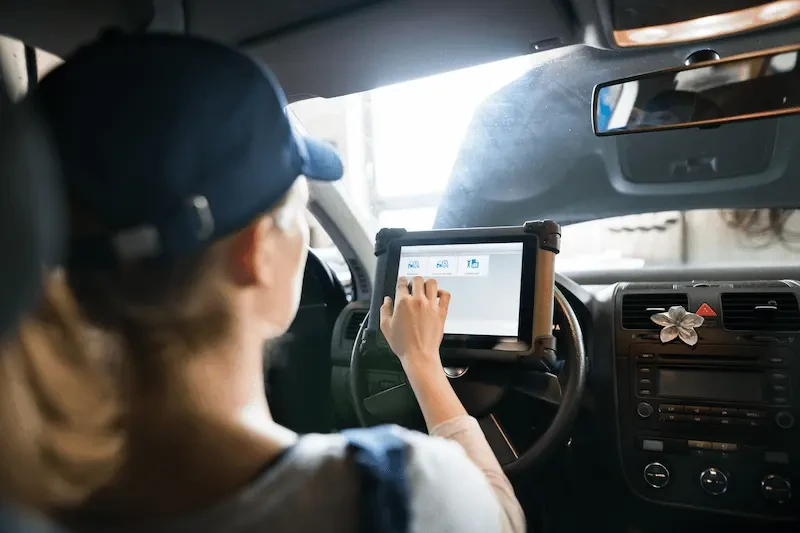
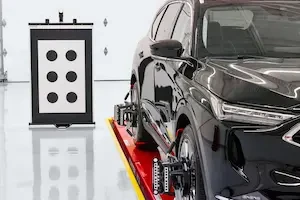
Joel Adcock, director of strategic partnerships at Revv, pointed to shops performing dynamic calibrations in-house with the proper tooling and equipment. When the OEM procedure allows it, he said, shops can reduce sublet dependency, better control cycle time and costs, and keep more of the repair under one roof.
But Adcock was careful to separate completing the process from confirming it worked. "Completing a drive cycle doesn't automatically mean the calibration was completed correctly," he said, adding that the right technician, the right conditions, documentation, and validation still matter.
Adcock's pick for a technology that hasn't hit its stride yet was AI-powered photo estimating. He said it can be useful for starting a claim and improving customer convenience, but a photo only shows what's visible from the outside. Hidden damage, OEM-required operations, and scanning or ADAS calibration needs often aren't clear until the vehicle is properly inspected and disassembled. In his view, photo estimating can help begin the process, but "it shouldn't be mistaken for a complete repair plan."
Documentation technology becomes table stakes as vehicle complexity outpaces memory
Tanya Sweetland, senior vice president of collision at OEC, pointed to repair research and documentation technology as the clearest source of real value right now. Working with tens of thousands of shops, she said the value isn't just that looking up a procedure is faster than flipping through a manual. It's that a technician gets the correct procedure the first time, from torque specs to ADAS calibration steps to OEM position statements, instead of relying on memory.
With ADAS, EVs, and new materials showing up on more vehicles every year, Sweetland said no technician can reasonably carry all of that knowledge in their head. Research and documentation technology "has gone from a nice-to-have efficiency to repair-execution table stakes," she said. It also protects shops financially: in a claims environment where insurers are scrutinizing repair costs more closely, OEM-sourced documentation attached to the file is often what justifies the repair plan when costs are reviewed.
Sweetland's pick for a technology that hasn't hit its stride yet was ADAS calibration verification. Shops have made real progress identifying what needs to be calibrated on a given repair, she said, but confirming that a calibration actually worked, not just that a procedure was run, is a different problem, and the tooling to close that gap consistently hasn't scaled yet. A sensor that's a couple of degrees off doesn't throw a warning light, she noted. It quietly changes how a safety system behaves.
Legislation is starting to catch up, with the ADAS Functionality and Integrity Act moving through the House, but she said validation tooling still has to mature before shops can rely on it the way they rely on calibration tools today.
What the two answers have in common
Adcock and Sweetland named different technologies as delivering real value right now, but their picks for what hasn't hit its stride point to the same underlying issue. Running a calibration procedure and confirming it produced a correctly functioning system are not the same thing.
The Autobody News Technology Council is an invite-only group of industry leaders who respond to a monthly question on the technologies shaping collision repair. More responses to this question will run as they come in. If you're interested in joining the conversation, please reach out to Jess Fritsche at jess@autobodynews.com to learn more.