


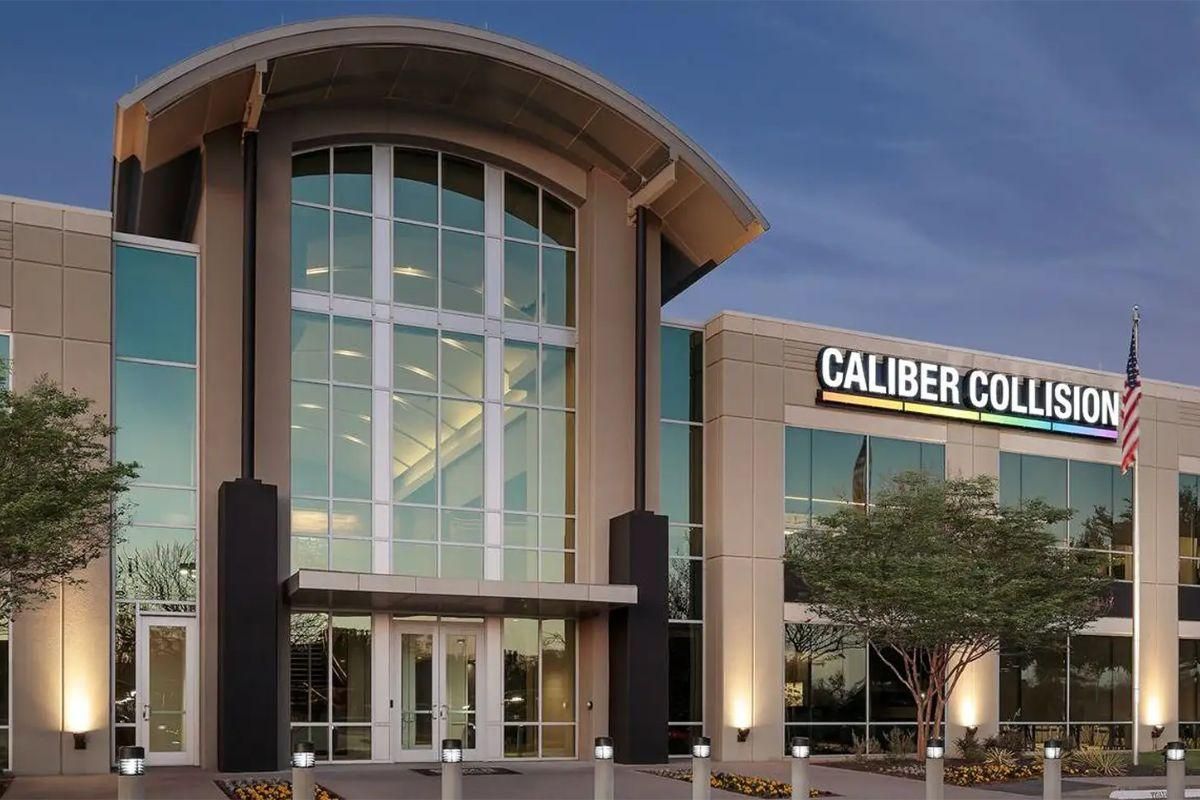
It’s been a busy few months for Caliber Collision.
A lawsuit filed in federal court in the Eastern District of Texas on Sept. 10, and seeking class action status, says the largest U.S. MSO mismanaged its 401(k) retirement plan, using “over $4 million of Plan assets” for its own benefit while wrongly “requiring Plan Participants to pay over $6 million in Plan expenses.” Its named plaintiff is Roy Fordyce.
This event, coming at about the same its acquisition of mobile car care company Car Body Lab, caps several summer months of corporate finance-related moves beginning when Caliber, which operates more than 1,800 locations, at the end of July filed for a planned initial public offering.
The IPO, currently in “confidential” status with the U.S. Securities and Exchange Commission, could come in early 2026, according to an account by Bloomberg, which also reported on the lawsuit.
401(k) Mismatches Alleged
Four law firms in five states — including Texas, where Caliber is based, and in Florida, Louisiana, Illinois and Tennessee — signed the filing, Fordyce v. Wand Newco 3, Inc., Docket No. 4:25-cv-00997, with Wand Newco 3 Inc. a formal legal name for the entity dba and branded as Caliber.
The lawsuit alleges mismanagement of the retirement plan, specifically that unvested contributions forfeited by employees who left Caliber Collision were used toward the company’s matching contributions, instead of to reduce costs of the plan that were then borne by plan-participating employees.
The suit says using funds in this way “reduces the funds available to Plan Participants for distribution and/or investing and deprives the Plan of funds that otherwise would have been earned on the amounts deducted.”
It says the alleged activity took place in the five years of 2019 to 2023, involving between $1.2 million and $1.7 million per year. About $4.1 million went to “forfeitures used for Caliber” with $2.3 million unused as “balance at year end” according to a chart in the lawsuit. Expenses charged to the plan hit $5.2 million, that chart said.
According to the lawsuit, “Loyal fiduciaries following a prudent process would not choose to offset Caliber’s declared Employer Matching Contributions instead of reducing the Plan Participants’ Plan Expenses.”
Class Action, Labor Firms Involved
The law firms filling the suit focus on labor issues and class action lawsuits, according to their websites. Two offices of Milberg Coleman Bryson Phillips Grossman PLLC are involved; the firm’s website states “Milberg pioneered federal class action litigation” and the 60-year-old firm has “recovered over $50 billion” for clients.
Kendall Law Group, whose Texas practice includes “mass tort litigation/class actions” and whose signature is on the suit, has been recognized by Best Lawyers since 2018. Chirinos Law Firm in Florida is known for labor law practice.
Seth Bloom, whose Louisiana-based Bloom Legal Network is the fourth filer, emailed Autobody News: “This case is about ensuring compliance with the law and protecting the rights of those affected. We respect Caliber Collision and intend to work through the legal process constructively toward a fair resolution.”
He declined further comment. Attempts to contact Caliber Collision through its corporate and outside communications representatives were unsuccessful.
Fordyce, reached by phone and social media, wrote “I have only fond memories of my time with Caliber,” and declined additional comment.
The Not-So-Doldrum Dollar Days of Summer
Caliber isn’t the only collision repair-related company with actual or possible 401(k) woes. Cleveland-based Sherwin-Williams Co. in early September suspended its 401(k) matching contribution of 6%, effective Oct. 1. The paint provider cited tariffs and weak revenue, but specifically mentioned its residential paint division more than automotive, which is a minority of its business.
That didn’t stop social media chatter, with participants referring to what were characterized as regular recent price increases, and suggesting the temporary suspension would settle into permanence. News of the finance move was reported by a Cleveland-focused website and Crain’s Cleveland Business. Coverage by TheStreet noted the paint company made $2.7 billion in profit last year and its stock was then up about 7% in 2026.
Sherwin-Williams didn’t respond to a request for comment.
Meanwhile, Caliber Collision’s IPO could come early in 2026, Bloomberg said Sept. 19. Bank of America, Goldman Sachs and JPMorgan Chase & Co. head up the finance work. Once the confidential period concludes and the SEC has contributed its comments, companies pursuing an initial public offering commonly hit the road show portion of the process, to garner financial backing for the event.
As to Car Body Lab, the deal extends Caliber’s reach into mobile and, more broadly, non-shop-focused repair. It already owns other units that do this, and Car Body Lab gives it a platform in seven states from which to expand it to Caliber’s other markets. Its press release on the buy headlined application to fleet customers. Car Body Lab’s mobile service include scratch, fender, bumper and glass repair, and its website highlights higher-end vehicles for these services, including Corvette, Porsche and Mercedes-Benz.
Car Body Lab had raised $1.3 million in four seed rounds ending six years ago, according to Crunchbase.
Caliber in May re-upped on its use of the CCC Intelligent Solutions’ CCC ONE platform.
Caliber Collision is backed by private equity firm Hellman & Friedman.










Paul Hughes