
A resume has never fixed a car.
Many shops are still hiring off paper credentials, a decent interview, and gut instinct, then finding out the hard way that what was promised doesn't match what shows up on the floor.
If you hire a technician in a structural position who doesn’t have the required certifications or current welding capability, it creates an immediate gap. That gap affects cycle time, quality, and puts added pressure on the rest of the team.
Within the first few weeks of a bad hire, lost production, rework, and training time start adding up. None of that is inevitable, and the steps to avoid it are more straightforward than most shops expect.
Why the Stakes Are Higher Now
Collision repair has gotten harder. OEM procedures are tighter, materials are more complex, and the margin for error has shrunk. Hiring practices in a lot of shops haven't kept pace.
Techs come in claiming structural experience, OEM certified repairs, and welding competency. Sometimes that's accurate, and sometimes it isn't. Without a system to verify, there's no way to know until the work starts, and by then the cost is already real.
The fix is a defined system: consistent, repeatable, and applied before the offer is made.
Call it the Verified Technician Standard. It focuses on three areas: validating skills upfront, protecting the shop's investment in training, and setting clear expectations from day one.
How to Test for Competency Before Making an Offer
Pre-employment skill verification should be standard practice. That means hands-on testing, including a pre-weld test and a basic structural measurement evaluation, along with I-CAR certification verification and a credential review tied to documented experience rather than verbal claims.
A basic pre-weld test does not need to be complex, but it does need to reflect real shop conditions. Simple butt welds and plug welds on materials such as mild steel or aluminum using in-shop equipment are enough to evaluate consistency and penetration.
Many shops today are seeing expired certifications, as well as a gap in actual capability. Some technicians may still hold valid credentials yet struggle to meet current industry standards in practice.
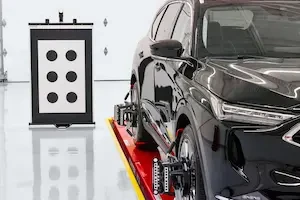
For structural measurement, the technician should be able to set up a measuring system, identify reference points, and show a working understanding of how to read and apply those measurements to a repair.
A pass should reflect safe and consistent work that meets shop expectations. If that cannot be demonstrated in a controlled setting, it will not improve under production conditions.
Shops can compensate candidates for the time spent on skill testing, paid upon hire, so the process is fair while still maintaining accountability. Confidence is easy to talk about, but competence must be demonstrated.
How to Structure Training Agreements That Hold
Training is expensive. Welding certifications, OEM programs, travel, materials, and lost production time all add up fast. Shops that absorb those costs without any structure have no leverage when a technician leaves six months later.
A written agreement changes that dynamic.
Before any training begins, document the full cost: tuition, travel, wages during training, and any additional expenses. Then build in a repayment structure based on what was covered.
For time-based certifications like welding credentials, prorate the cost over the valid term. If a technician leaves before that term ends, the remaining balance is owed. For non-expiring credentials, including I-CAR courses, require full reimbursement if the employee leaves within the agreed commitment period. Those credentials stay with the technician permanently, so the commitment period reflects that.
This is a mutual agreement: the shop invests in the technician, the technician commits to the shop. Candidates who take the work seriously won't have a problem with it.
Setting Expectations After the Hire
Technical skill alone isn't enough. Most shop owners have dealt with a technician who can do the work but creates problems around accountability or process, and that affects everyone else in the shop.
Clear performance expectations, consistent follow-up, and structured 30-, 60-, and 90-day reviews keep the team aligned, cut down on the ambiguity that tends to turn into conflict, and help set clear expectations:
- At 30 days, the focus is on work habits, following process, and how the technician fits within the team.
- At 60 days, attention shifts to consistency and productivity, including cycle time, adherence to repair plans, and reduction in rework.
- By 90 days, the expectation is full role performance. The technician should be meeting production standards, maintaining quality, and progressing in any required certifications or training.
This approach creates early accountability and gives both the shop and the technician a clear path forward.
What a Stronger Hiring Process Looks Like in Practice
Independent shops don't have HR departments, but they do control their own standards. Validating skills before the hire, protecting training investments with a written agreement, and holding consistent performance expectations are not complicated systems. They require discipline. And that discipline is the difference between building a team that lasts and constantly starting over.
Shop Checklist: Verified Technician Standard
Before hiring: Conduct pre-employment skill verification; verify certifications through I-CAR.
Before training: Document all costs including travel and downtime; review and sign a training reimbursement agreement.
After hiring: Set clear performance expectations; complete 30-,60-, and 90-day reviews; track certifications and ongoing training.
Training Investment and Reimbursement Agreement Example
ABC Body Shop
This agreement is entered into between ABC Body Shop and the undersigned employee. It is separate from any employment agreement and defines financial responsibility related to employer-paid training.
Purpose
ABC Body Shop invests in employee development through industry training and certification programs. This agreement establishes a transparent understanding of that investment and the expectations tied to it.
Covered Training
This agreement applies to all employer-funded training, including I-CAR courses and certifications, welding certifications, OEM-specific training programs, travel and lodging expenses, and wages paid during training attendance.
Cost Documentation
ABC Body Shop will document all costs associated with each training event, including tuition and registration fees, travel and lodging, wages paid during training, and any additional related expenses. The employee will acknowledge the total cost prior to attending.
Repayment Terms
Time-based certifications: For credentials with a defined expiration, such as welding certifications, the total cost is prorated over the valid term. If the employee separates before that term ends, the remaining prorated balance is owed.
Non-expiring training: For training that does not expire, including I-CAR courses, the employee agrees to reimburse 100% of the cost if separation occurs within the agreed commitment period. That period will be defined in writing prior to training.
Repayment Obligation
Repayment is required if the employee voluntarily resigns or is terminated for cause before fulfilling the commitment period. Repayment terms will be outlined at the time of separation.
Acknowledgment
By signing below, the employee acknowledges that they understand the cost and value of the training provided, agree to the repayment terms outlined above, and recognize that this agreement is separate from employment and does not guarantee continued employment.
Employee Name / Signature / Date
ABC Body Shop Representative / Signature / Date
Why This Is Worth Getting Right
This industry has given many people a career worth keeping. The shops that hold a high standard make that possible. Raising the bar is about protecting the quality of the work and the people who show up every day and do it right.