


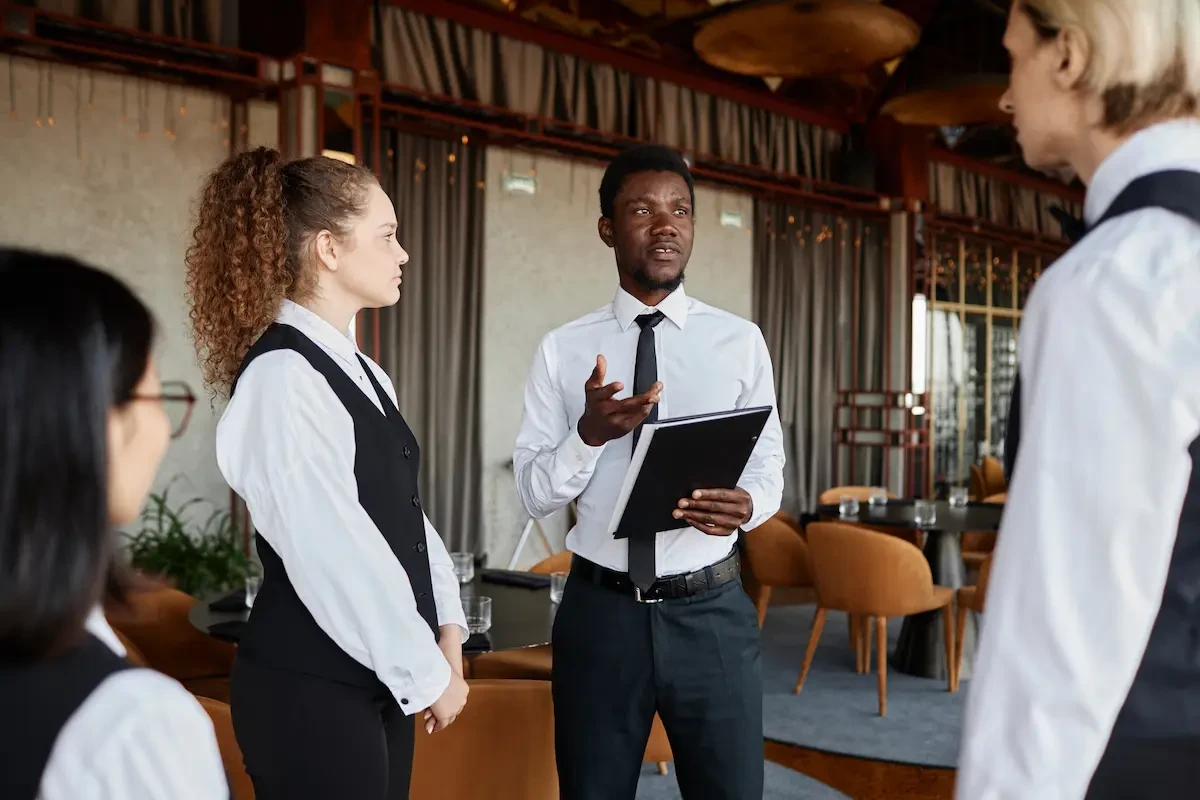
If your talent pipeline is struggling, consider scheduling a date night or picking up your favorite snacks at a local convenience store. While much of the industry focuses on recruiting technicians through traditional pipelines such as trade schools, some shop leaders are discovering success by looking beyond the collision repair industry entirely.
Restaurant managers, retail workers, and even gas station employees are emerging as unlikely but effective sources of new talent.
According to longtime industry leader Larry Jaskowiak, who owns two OEM-certified, focused collision repair shops in the Leesburg, Fla. area, thinking differently about hiring may be key to building stronger teams.
“We tend to recycle the same people,” Jaskowiak says. “A manager leaves Shop A and goes to Shop B or C. What we have to start doing as an industry is thinking outside the box.”
Why restaurant managers translate well to collision shops
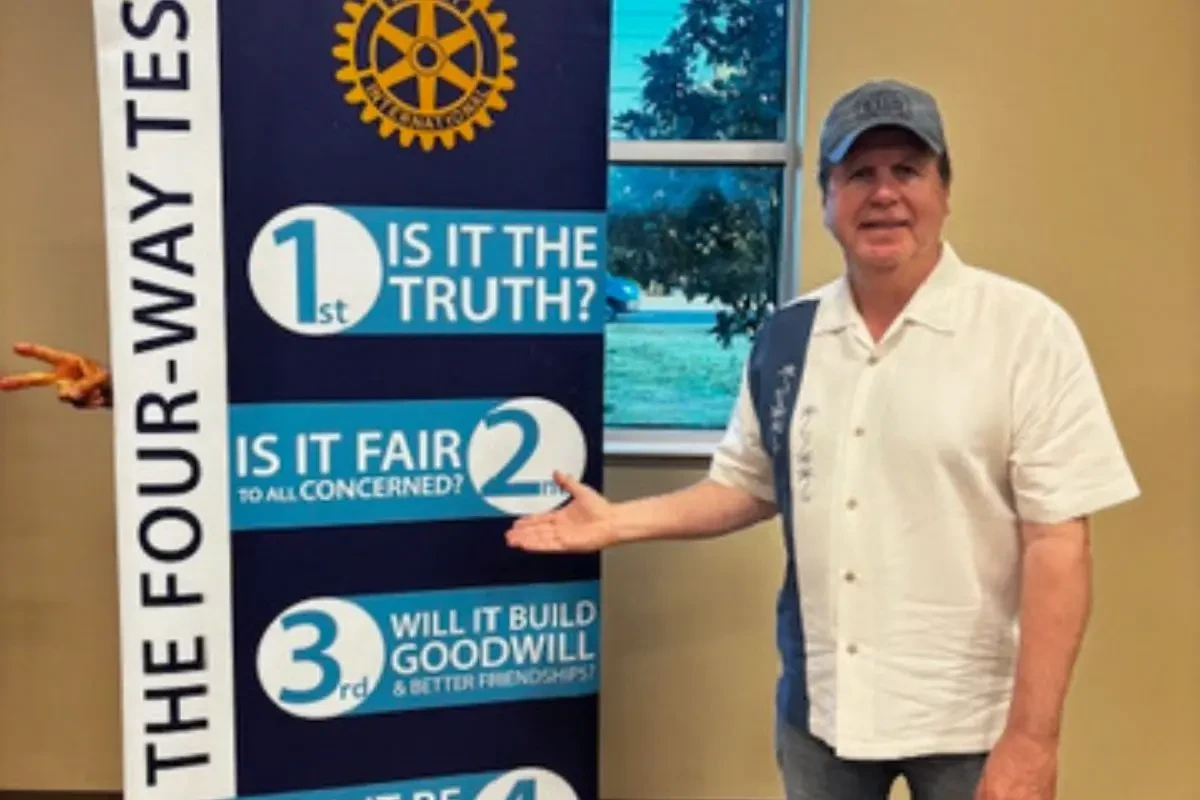 With more than 45 years of industry experience, Larry Jaskowiak’s creative hiring strategies have paid off at his facilities.At first glance, the restaurant industry may seem worlds apart from collision repair. But Jaskowiak says the core skills often align surprisingly well.
“If you map out what a restaurant manager does, it’s very similar to running a shop,” he explained.
Restaurant managers oversee purchasing, manage staffing and overtime, ensure processes are followed, and often track revenue performance.
“In our business, purchasing might be paint materials,” Jaskowiak says. “They’re already used to managing teams and keeping operations moving. What we have to teach them is the logistics of collision repair.”
Just as importantly, restaurant environments train employees to make quick decisions and prioritize customer satisfaction.
“If there’s a problem with a meal, the manager handles it right there at the table,” Jaskowiak says. “They’re empowered to solve the problem.”
That kind of real-time decision-making can be valuable in a collision repair shop, where customer service moments often happen face-to-face.
“In many corporate environments, people feel like they need approval from three levels of management,” Jaskowiak added. “I tell my staff, make the decision. If it’s wrong, we’ll talk about it later.”
Customer empathy matters more than technical knowledge
While technical skills are important in collision repair, Jaskowiak believes the most critical quality in many front-office roles is empathy.
“You can teach estimating,” he says. “You can’t teach someone to care about people genuinely.”
Many customers arriving at a collision repair shop are stressed or embarrassed about the situation that brought them there.
“Sometimes someone hits their garage door or a neighbor’s trash can [with their car],” Jaskowiak says. “They feel foolish [about the collision], but they want to explain what happened.”
Taking the time to listen can make a lasting impression.
“If customers feel like you’re listening and acknowledging what they’ve been through, that builds trust right away,” he says.
That’s why Jaskowiak often looks for candidates with strong customer-service backgrounds.
“They know how to make people feel comfortable,” he says.
Empowering employees to solve problems
Another benefit of hiring from restaurant and retail environments is the familiarity with tight margins and fast-paced operations.
Like restaurants, collision shops must carefully manage profitability while maintaining customer satisfaction.
Jaskowiak regularly reviews repair files with his managers to help them understand margin performance.
“If we review a job and we didn’t hit margin, that becomes a training exercise,” he says.
At the same time, he encourages employees to act independently when helping customers.
“There is no one working for me who cannot make a decision,” he says. “If a customer needs a rental or an Uber, take care of it.”
Small gestures can also create memorable customer experiences.
Recently, technicians in Jaskowiak’s shop wet-sanded and buffed cloudy headlights on a vehicle even though the work wasn’t related to the accident.
“It cost us almost nothing but time,” he says. “But when the customer sees that you went above and beyond, that builds loyalty.”
Training non-industry hires takes commitment
Hiring outside the industry requires patience and structure.
Jaskowiak recommends starting new hires with the customer-facing side of the business before introducing technical shop operations.
“We begin with the insurance process, paperwork, and communication with customers,” he says. “Those skills are transferable.”
The production side of collision repair comes later and requires mentorship.
“You have to pair them with someone who has the knowledge and the patience to train them,” Jaskowiak says.
Shops should also expect a longer learning curve.
“You have to know that person could be in training six months to a year,” he says. “If you expect them to be a superstar in two or three months, you’re wasting your time and money.”
Finding talent in unexpected places
Rather than relying solely on job postings, Jaskowiak often recruits through everyday interactions.
“I pay attention wherever I go,” he says.
During one visit to a RaceTrac convenience store, he noticed an employee who greeted customers, opened doors and kept the store spotless.
“We hired him into a parts position and he’s doing phenomenal,” Jaskowiak says.
He has also hired employees from restaurants such as Chili’s.
“If I have a great experience with someone, I’ll ask them if their job is a career or something temporary,” he says. “Then I give them my card.”
Candidates often hesitate because they lack automotive experience.
“My response is always the same,” Jaskowiak says. “I’m glad you don’t know anything about cars because then you have no baggage.”
Changing perceptions of collision careers
Part of the challenge, Jaskowiak believes, is that many people outside the industry still misunderstand collision repair careers.
“A lot of people think technicians are greasy mechanics who don’t make much money,” he says.
In reality, many technicians today earn six-figure incomes and work in highly professional environments with advanced equipment and certifications.
“If we want to attract people into this industry, we need to start showing them what these careers actually look like,” Jaskowiak says.
For collision repair businesses willing to think creatively, the next great hire might not come from another body shop, but from the restaurant down the street.

Leona Scott