


The collision repair industry doesn’t suffer from a lack of workforce initiatives. It suffers from a lack of alignment.
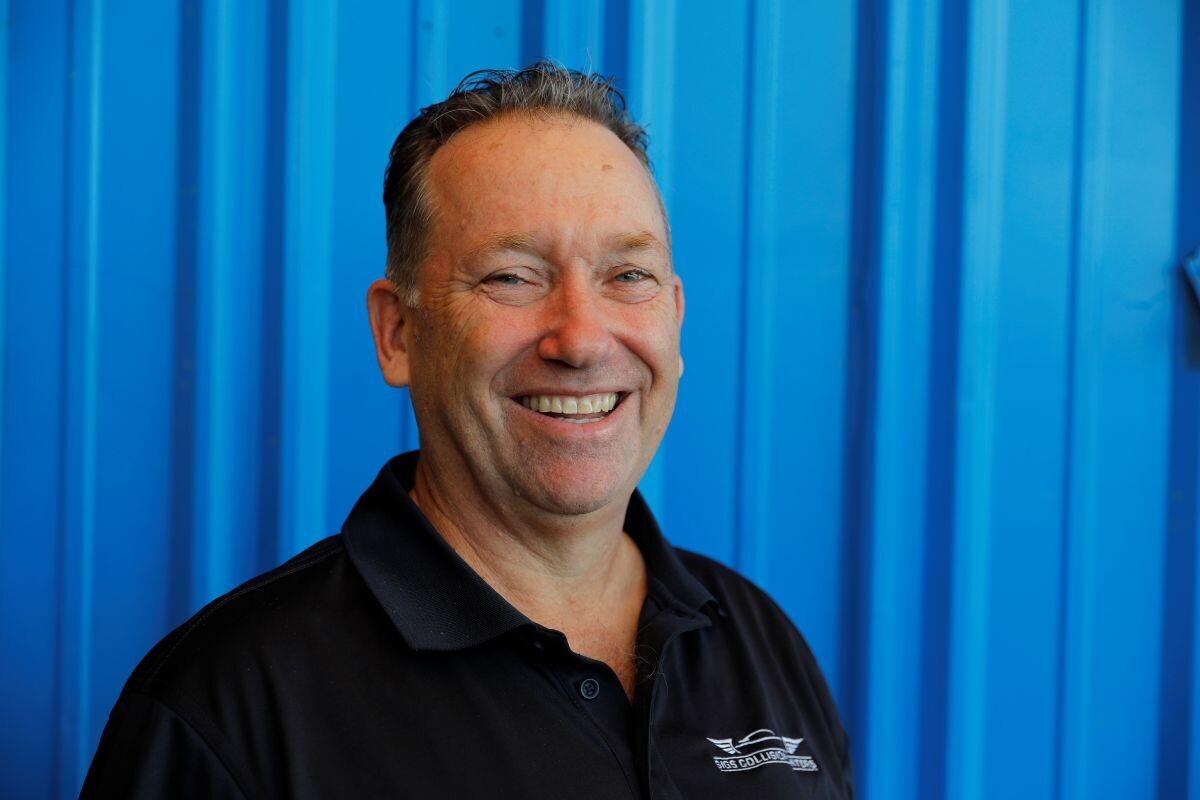
That’s the perspective of Dan Dutra, a partner at Collision Career Institute and a 50-year industry veteran who has seen the technician shortage from every angle — as a technician, shop owner, I-CAR trainer, consultant, and workforce strategist.
“Everyone starts with good intentions,” Dutra says. “Nobody hires someone expecting them to fail. But where things break down is almost always at a foundational level.”
According to Dutra, when workforce development efforts stall or collapse, the root causes are surprisingly consistent. Below are five of the most common reasons programs fail — and what successful shops do differently.
1. The Culture Was Never Built to Support Learning
When workforce initiatives fail, Dutra says the first crack usually appears in the shop’s culture.
“Owners don’t always stop to examine the environment they’ve created for people to learn and grow,” he explains. “If the culture is ultra-competitive, transactional, or purely production-driven, training won’t survive.”
Successful shops foster a culture where people support one another, goals are clearly defined, and education is viewed as an investment — not a disruption. That includes regular feedback, short-term milestones, and visible career pathways.
“You can’t just say, ‘Stick around five or 10 years and you’ll make six figures,’” Dutra says. “You have to break it down. Six months. One year. What does progress look like right now?”
For younger technicians especially, frequent feedback and recognition matter as much as compensation.
Small, incremental raises, tool programs, skill-based badges and frequent feedback outperform once-a-year reviews.
“Acknowledgment is huge,” Dutra says. “People need to know they’re moving forward.”
2. Expectations Were Too Big — and Too Vague
Another common mistake is expecting too much, too fast.
Shops often bring on apprentices without defining what success looks like in the first 90 days, six months, or year. Without clear expectations, frustration builds on both sides.
“What you want is clarity,” Dutra says. “Clear objectives. Clear reviews. Clear communication.”
That communication must also be consistent and intentional. Dutra emphasizes that how information moves through a shop — verbally, digitally, or in writing — directly affects performance and morale.
“The success of any organization is directly tied to its ability to communicate honest, accurate and timely information,” says Dutra.
When some of the basics start slipping, it doesn’t take long for bad assumptions and poor decisions to pile up. Shop owners see this every day — in production, parts flow, customer communication, and especially in how feedback is shared with the team. The way leaders communicate directly shapes the culture on the floor. Techs want to know where they stand and what’s expected.
When that feedback doesn’t come from management, they’ll fill in the blanks themselves — and too often, that turns into fear, frustration, or negativity that hurts morale and performance.
3. The Mentor Was Chosen for Skill — Not for Teaching Ability
One of the most damaging assumptions shop owners make is that their top producer will automatically make a great mentor.
“That’s the mentor myth,” Dutra says. “Being a great technician doesn’t mean you have the teacher gene.”
In fact, high-performing A-techs are often successful because they work independently, focus intensely, and minimize interruptions — traits that don’t always translate well to teaching.
“You put a young apprentice with someone who just tells them what to do, and you’re setting both up for failure,” Dutra explains. “Especially when learning styles don’t match.”
In many cases, a B-tech with stronger interpersonal skills may be better suited for mentorship. The key is understanding both teaching and learning styles before pairing people together.
“If you don’t know that up front, you don’t even have the opportunity to have the right conversation,” Dutra says.
4. No One Prepared the Mentor — or Managed the Relationship
Even when shops choose the right mentor, many fail to define how mentorship should work.
Successful programs require agreement, structure, and coaching — not assumptions.
“The manager has to be involved,” Dutra says. “They need to set expectations, slow things down, and get buy-in.”
Without that structure, misunderstandings multiply. Apprentices may feel they’re being yelled at. Mentors may feel ignored or frustrated. Over time, both disengage.
“Most of the failures aren’t technical,” Dutra says. “They’re relational.”
When shops take the time to assess compatibility, discuss expectations, and monitor progress, success rates improve dramatically.
“It’s about slowing down on the front end so you can speed up later,” he adds.
5. Shops Focused on Tools and Technical Ability — Not People Skills
Technical skills matter. But when workforce programs fail, Dutra says the real issue is often overlooked soft skills.
“We spend all our time thinking about how to fix the car,” he says. “We don’t spend nearly enough time thinking about communication, conflict resolution, and motivation.”
Those people skills determine whether training sticks — or walks out the door.
For shop owners who want to do things differently in the next 90 days, Dutra offers clear advice: change the approach, not the effort.
“If you’ve tried before and it didn’t work, don’t repeat the same process,” he says. “Do your homework. Understand your culture. Understand your mentor. Understand your people.”
Communicate clear expectations and check in frequently for two-way feedback.
A People-First Fix
At the core of Dutra’s philosophy is a simple belief: careers change lives.
“I’ve seen what happens when people are given a path instead of just a paycheck,” he says. “They stay. They grow. They lead.”
For shop owners feeling overwhelmed by workforce challenges, Dutra reframes the question.
“Don’t ask, ‘Can I afford to train?’” he says. “Ask, ‘Can I afford not to?’”
Dutra and CCI are sharing their expertise with a series of free monthly webinars, starting February 10 at 10 AM PST / 1 PM EST.




Leona Scott