



Across Texas, collision repair shops are feeling the pressure. Some are downsizing. Others are closing altogether.
Ed Griffin, owner of Griffin’s Paint & Body in Winnsboro, Texas, has seen it firsthand — even in his small town of 3,800 residents.
“We did have one other [local] shop close down just this past month,” Griffin said. “They were trying to do the right thing for the right reasons. It’s just hard. This industry is just too hard.”
Yet Griffin’s shop continues to move forward. His survival isn’t accidental; it’s intentional. Here’s how he’s navigating one of the toughest climates Texas collision repairers have faced.
Refuse to compromise on safety
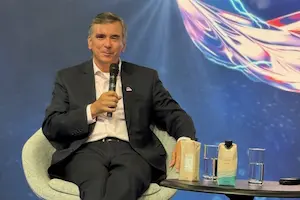
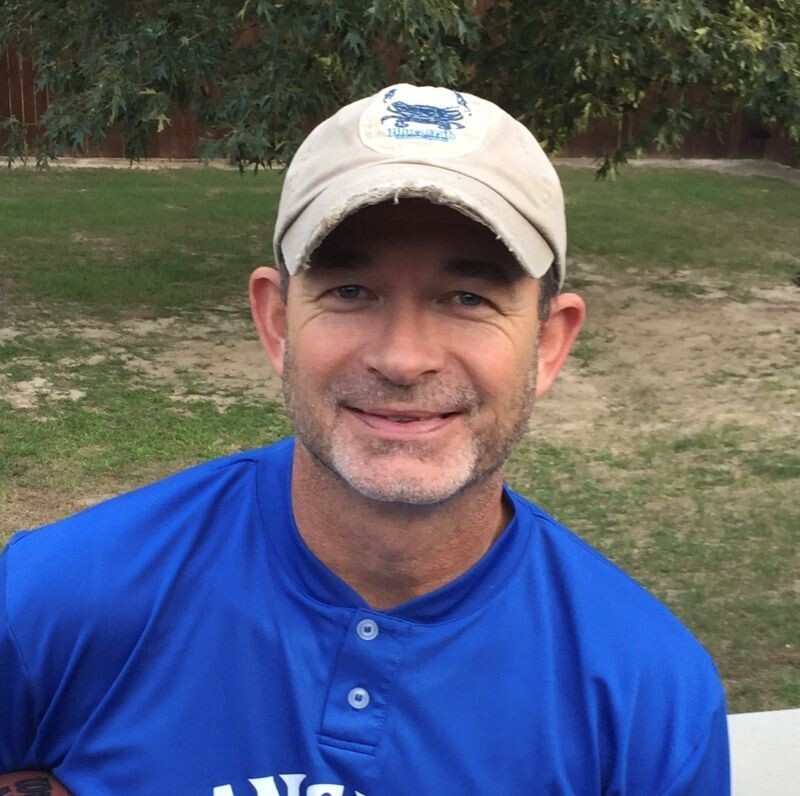 Ed Griffin, owner of Griffin's Paint & BodyGriffin says insurers are increasingly denying manufacturer repair requirements — not just cosmetic operations, but safety procedures.
“They’re not only denying a lot of SOPs or standard operating procedures,” Griffin said. “They’re denying actual safety requirements from our manufacturers — just blatantly saying we’re not paying those.”
That puts shops in a difficult position. Insurers act as third-party bill payers, but the liability remains with the repairer.
“We have the liability of the repairs,” Griffin said. “We have to stand behind our repairs with a warranty. Insurance companies are not responsible for the repairs performed on the vehicle, the repairer is.”
His stance is clear: cosmetic compromises may be discussed, but safety items are non-negotiable — even if that means tough conversations with customers.
Educate and earn trust daily
Griffin believes many customers are confused by competing narratives.
“Insurance companies have done a really good job of spinning this so it sounds like any shop asking for these things is overcharging,” he said. “Customers don’t know who to believe.”
His solution? Radical transparency.
“We provide documentation and information of why something is needed. We don’t make these rules; we follow them.”
With insurers often steering customers toward direct repair facilities, Griffin says reputation is critical.
“We’ve been in business since the ’80s. We have a very good reputation for quality repairs. That foundation matters.”
In today’s environment, he believes trust, not price, is what wins.
Stay focused on the core mission
Administrative burdens have increased dramatically. Griffin estimates it takes his team three full days to disassemble, research OEM procedures, and prepare a proper repair plan before even submitting documentation to insurers.
“Then it takes weeks to get an answer,” he said. “I can honestly say 95 percent of the claims we get are delayed way longer than they should be.”
Despite distractions, he continually resets his focus.
“I’ve got to check myself sometimes and get back to the root of what we’re doing, making sure we’re training ourselves and doing everything humanly possible to restore that vehicle back the way it was.”
Training, equipment, and process discipline remain non-negotiable investments.
 Get creative: Remove the customer’s burden
One of Griffin’s most strategic moves has been building a fleet of loaner vehicles — currently six or seven cars — offered free to customers.
Why? Because insurer delays can stretch repairs for weeks, and rental coverage often runs out.
“If they don’t have a car to get to work, they’ll just accept whatever the insurance company is paying,” Griffin said. “So, we try to take that burden off.”
The fleet is expensive. Insurance coverage is difficult to secure. Maintenance adds cost.
“But that’s how important we feel it is,” he said. “It gives our clients extra time to pursue proper indemnification.”
The loaner program has also become a competitive differentiator, attracting customers who are weary of insurer-driven timelines.
Strength in numbers
Griffin credits the Auto Body Association of Texas (ABAT) for helping shops stay informed and united.
“We have to have strength in numbers,” he says. “That’s probably been our nemesis over the years — not joining forces together.”
As legislative efforts continue around Right to Appraisal protections and insurer accountability, Griffin believes advocacy matters. But at the shop level, survival comes down to disciplined execution.
“Cheap repairs aren’t good, and good repairs ain’t cheap,” he said.
In a season when some shops are choosing to exit, Griffin’s approach is simple but demanding: protect safety, educate relentlessly, invest in trust, and be willing to absorb short-term pain to preserve long-term reputation.
For Texas collision repairers navigating the current storm, that may be the real winning strategy.

Leona Scott