The U.S. Commerce Department recently dramatically expanded its steel and aluminum tariffs to cover an additional 407 derivative product categories — a sweeping move that includes key inputs for the collision repair industry, notably electric vehicle (EV) components and automotive exhaust parts, along with appliances, buses and heavy equipment.
In a statement, Under Secretary of Commerce for Industry and Security Jeffrey Kessler framed the move as a way to “expand the reach of the steel and aluminum tariffs and shut down avenues for circumvention,” supporting the revival of America’s steel and aluminum industries.
An analysis by Evercore ISI estimates that these newly covered products represent more than $200 billion in imports over the last year and could raise the effective overall U.S. tariff rate by approximately one percentage point.
Auto repair facilities that depend on imported steel rich components—like mufflers, exhaust systems and EV structural parts — can expect cost increases as tariffs now impose a 50% duty on the steel and aluminum content, in addition to usual country of origin duties on non metal elements.
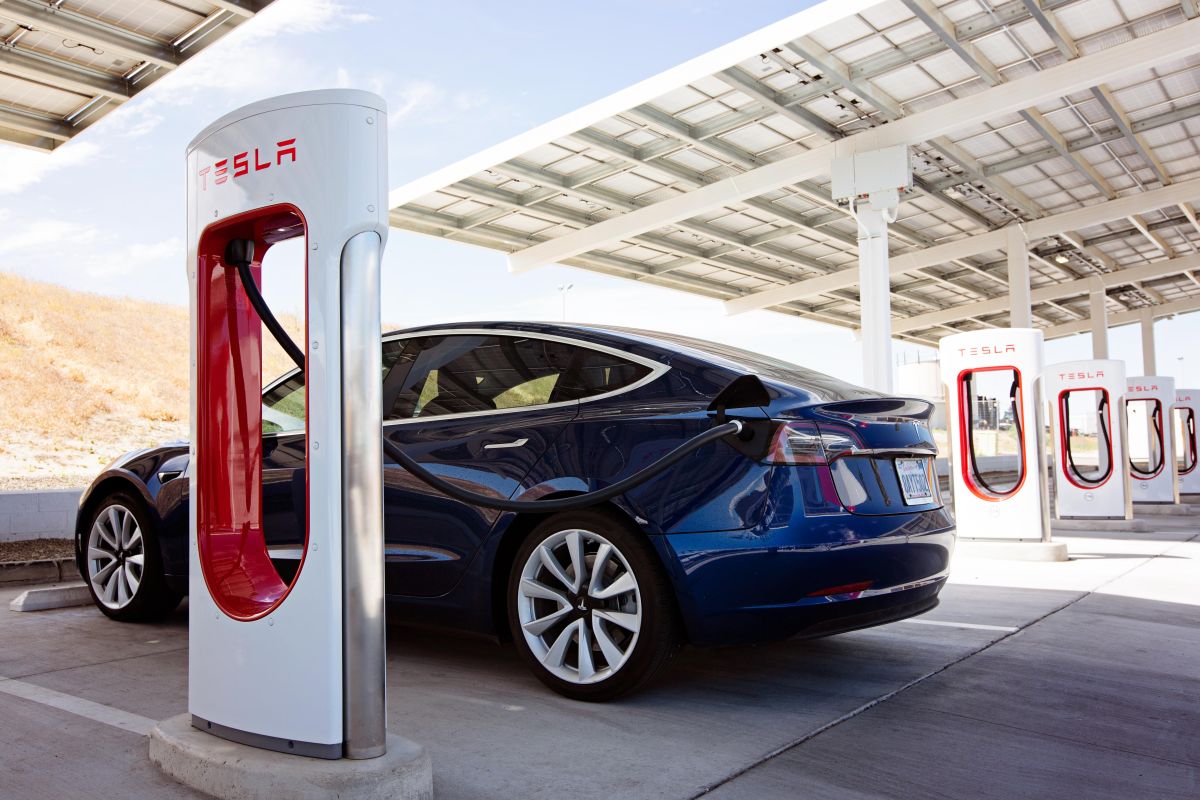
Automakers, including Tesla, lobbied against the inclusion of EV related steel parts, warning that U.S. domestic production cannot meet current demand.
Domestic steel producers, including Cleveland Cliffs and Nucor, supported the expansion, having formally petitioned the administration to broaden tariff coverage to include more auto part derivatives. But critics argue that U.S. capacity remains insufficient to absorb demand for specialized automotive-grade steel, potentially hindering the transition to EVs and efficient repair modalities.