Many collision repair centers are feeling the effect of declining claim counts. Whether the cause is advances in vehicle safety technology, changing driving habits, economic uncertainty, or fluctuating miles driven, one thing is clear: Fewer repair opportunities mean every customer interaction matters more than ever.
Unfortunately, many shops respond by talking louder about themselves: We do quality repairs. We have great customer service. We’re OEM certified. We’re the best.
The problem is that every collision center says those things. If every website, brochure, and conversation sounds the same, nothing differentiates the customer experience. The question to ask isn’t, “What do we want customers to know about us?” The better question is: What does this customer need from us right now?”
If someone needs your collision center, they have a disruption in their life. No one plans to be involved in an accident. They are worried about their family’s safety, how long they’ll be without transportation, whether insurance will cover the repairs, and whether their vehicle will ever be the same again.
Before we explain what we do, we have to understand what they’re experiencing. In my experience, there are three communication shifts every collision center should make.
No. 1: Lead with empathy before expertise
Far too many conversations become transactional before trust has even been established.
Over the past five years, I have placed my share of mystery calls to collision centers across the country. One thing continues to surprise me. We often forget the stress, disruption, and uncertainty customers are experiencing.
Nine out of ten times, the first question I hear is, “Is it going through insurance?”
From there, many shops immediately begin processing the customer based on their answer.
If I mention I may pay out of pocket, I’ve had shops warn me there could be a $3,000 supplement before they’ve ever seen my vehicle.
Before they’ve asked what happened. Before they’ve built any trust.
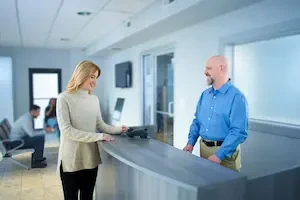
Imagine how different that conversation would feel for the customer if it begins with: "First, is everyone OK? Can you tell me what happened? What concerns you the most right now?”
Those questions accomplish two things. They help customers feel heard, and they provide the information we need to guide them toward the best solution.
I’ve found one communication framework to be incredibly effective: Lead with empathy. Demonstrate your competency. Then guide them to the next step.
Empathy opens the door. Competency builds confidence and trust. Guidance gives customers clarity during an uncertain time.
No. 2: Make sure every team member can explain your value, not just state it.
Donald Miller, author of “Building a StoryBrand,” reminds us that the customer is the hero of the story. Our role isn’t to become the hero. Our role is to become the trusted guide.
That perspective changes how we communicate. Rather than listing credentials, connect those credentials to customer benefits. Don’t simply say, “We’re OEM certified.” Instead, explain what that means. “Our technicians complete manufacturer-specific, hands-on training and follow approved repair procedures for your vehicle. That helps ensure your vehicle is repaired according to the manufacturer's specifications, so it operates the way it was designed.”
Customers rarely buy certifications. They buy confidence, competence, and trust.
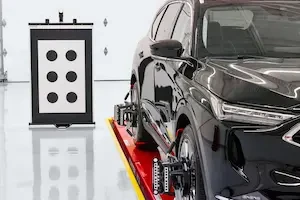
Every customer-facing employee should be able to clearly explain why your certifications, investment in equipment, technician training, repair process, and warranties matter to the person standing in front of them.
When customers understand how your investments benefit them, your value proposition becomes their personalized solution, not promotional.
No. 3: Ask better questions, so you can provide a personalized solution
Listening and staying curious isn't just good customer service. It’s one of the greatest competitive advantages a collision center has.
When we ask meaningful questions, we discover what matters most to each customer. Some are concerned about safety. Others are concerned about cost, rental transportation, claim decisions, or getting their child’s vehicle back before college starts. Those concerns shouldn’t be ignored or assumed. They should be discovered.
Research shared by Mike Anderson has highlighted that premium increases after an accident can be significant for some consumers. Customers often don’t know whether filing a claim is their best option. Imagine the trust you build if you’ve established relationships with local insurance agents and can say, “Let’s call your agent together so you can make an informed decision.” That’s no longer a transactional interaction. That’s trusted guidance.
Claims may be down, but your opportunity to build trust has never been greater. Every certification, every investment in equipment, every hour of technician training, and every process improvement has one purpose: creating a better outcome for the customer.
The collision centers that thrive won’t necessarily be the ones with the loudest marketing. They’ll be the ones whose customers leave, saying, “They listened to me. They educated me. They helped me make the right decision.”
Start right now by asking yourself: What is our value proposition?