


By the time a customer calls your shop, the insurance company has often already told them where to go. That conversation happens whether or not you’re part of it; industry sources say the shops that win the repair are the ones that show up in that first 72 hours with a clearer story than the carrier’s.
“The biggest misconception is that the insurance company controls how a vehicle should be repaired,” said Greg Luther, body shop operations director at Helfman Collision Center. “Insurance is just a form of payment ... not the authority on how your vehicle should be repaired.” That’s the line a shop has to be ready to say out loud, because most customers haven’t heard it from anyone yet.
Robert McDorman, an auto claims specialist, sees it from the other side of the desk. The most common mistake he sees consumers make, he said, is “taking the advice of their insurance carrier what collision facility to bring the vehicle to,” meaning the shop is often starting the relationship a step behind, correcting a decision the customer thinks is already made.
Naming the conflict before the insurer does
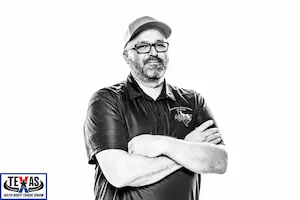
Greg Luther, director of body operations, Helfman Collision Center, Houston
Underneath that confusion, Luther says, is a basic conflict of incentives your customer doesn’t know exists. Insurers foot the bill, so they’re naturally focused on keeping costs and cycle time down. Manufacturers, meanwhile, publish repair procedures with one goal: getting the vehicle back to pre-loss condition, period. “Those objectives do not always align,” he said. “When they don’t, your repair shop’s first responsibility should be to you by following the manufacturer’s repair procedures, not the insurer’s cost-saving objectives.”
Luther is blunt about what happens when a shop doesn’t hold that line: “Unfortunately, some repair facilities end up following the old saying, ‘The one with the gold makes the rules.’” Saying that plainly to a customer early, before an estimate dispute forces the issue, is itself part of the job now.
The pressure is aimed at the customer, not just the shop
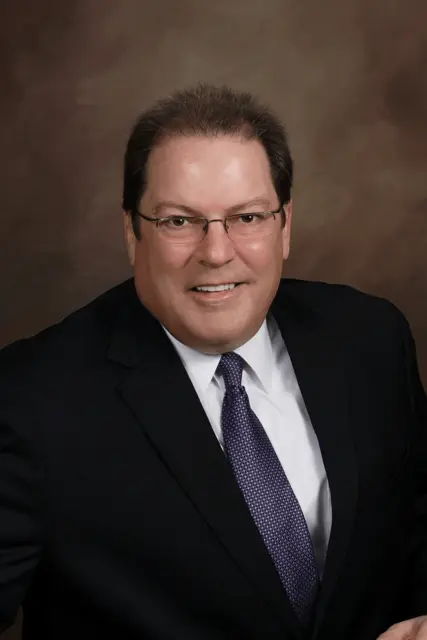
Robert McDorman, founder of Auto Claims Specialist
Much of the pressure in those first 72 hours is manufactured, sources say, not by the clock, but by the insurance carrier, and it lands on the customer before it ever reaches you. “The insurance carrier will always put pressure on you to make a fast decision,” McDorman said. “It is always best if you think carefully and research your options before acting.”
That’s advice a shop can put into practice at first contact, not just repeat. Slowing a customer down by walking them through why OEM certification matters for their specific make and model, what to expect from the estimate process, what charges might apply if they choose to go elsewhere, for example, does more to build trust than any amount of after-the-fact explanation once the invoice is in hand.
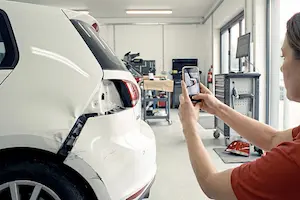
Documentation is the other half of that trust, and it starts the moment a vehicle arrives, not after a dispute begins. “Documenting the date, time and facts of the accident is critical,” McDorman said. “Equally important is taking as many pictures as possible, including pictures of any other vehicles involved and license plate numbers.” A shop that builds this file alongside the customer, rather than asking for it later, is the shop that’s ready when a carrier pushes back.
Knowing when to bring in outside help
Luther goes a step further than most shops will, encouraging customers to consider hiring a qualified public adjuster on complex claims. “Most people don’t think twice about hiring an attorney to protect their legal interests, a CPA to maximize their tax return, or a realtor to negotiate the sale of their home,” he said. In his experience, working with public adjusters has consistently resulted in higher settlements, fewer delays, and additional compensation for loss of use and diminished value, where applicable.
That’s a referral, not a service a shop provides but knowing when a claim has crossed into “get a professional” territory, and being willing to say so, is part of what separates a shop that’s protecting the customer from one that’s just processing the repair.
The safety-inspection fight is coming to your counter
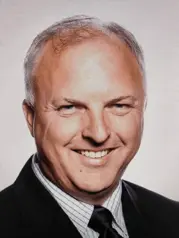
Mark Zoba, CEO, Assurity Certified Solutions
Mark Zoba, who spent 30 years working across OEM collision certification and dealer networks and now helps consumers understand the technical language of a repair estimate, points to a dispute shops are increasingly caught in the middle of: standards for how thorough a post-repair safety scan should be still vary widely across OEMs, and insurance carriers often reject the inspections as currently structured, leaving shops to absorb the time it takes to validate the work properly, or fight for it.
Closing that gap, Zoba said, depends on better alignment between shops, OEMs and carriers on what a safety inspection should actually require. Until that alignment exists, the burden of explaining (and defending) a full inspection to a skeptical adjuster falls on the shop.
Zoba’s company, Assurity Certified Solutions, is one attempt at addressing a related gap: an all-makes certification meant to help OEMs fill holes in their certified-shop networks, so consumers aren’t left choosing blindly when no direct OEM-certified shop is nearby. The industry needs to be transparent and put the consumer first, helping them find shops truly capable of repairing their vehicle."
Transparency is a retention strategy, not just a courtesy
“There should be much more transparency and consumer involvement in the process,” McDorman said. “It is OK if the client disagrees and does not understand. The more we discuss the process with the client, the better everyone understands and the less likely there will be misunderstandings. We should always manage expectations.”
That’s the practical takeaway underneath all of this: the shops that treat the first 72 hours as a conversation to lead, not a waiting period before the real work starts, are the ones customers trust when the estimate gets complicated. The insurer will always have the first word on the cost and how much. The shop still gets to have the first word on the repair … if it shows up in time to say it.




Leona Scott