Shops that charge for removing undercoating and seam sealer from pinch-welds before anchoring a vehicle are being paid more often than not, according to the 2026 "Who Pays for What?" – Frame & Mechanical Operations Report, produced by Collision Advice and CRASH Network. The survey, which ran throughout April and drew responses from 473 shops in 49 states, asked how often eight of the largest auto insurers pay for about 20 not-included frame and mechanical procedures. Among the operations covered, this one ranks seventh of about 20 on the survey's overall ranking chart, ahead of pre-measuring for structural damage and jig assembly, and behind jig rental.
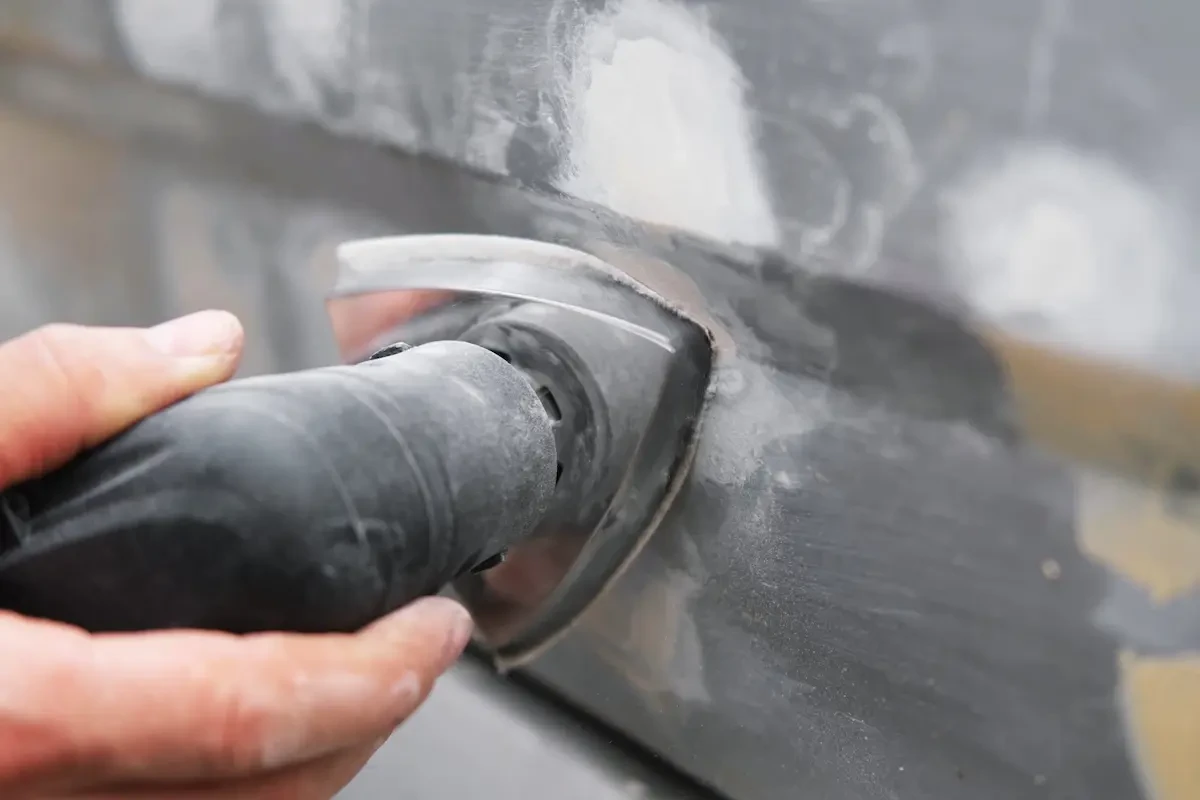
The report defines the operation as labor to remove undercoating and seam sealer from pinch-welds before a vehicle is clamped for anchoring, plus repair of "witness marks," the clamp damage left behind once the clamps come off. Refinish labor is not part of the definition.
One in five shops never ask to be paid for it
Twenty percent of shops surveyed said they have never negotiated to be paid for this procedure, according to the survey's "never asked" chart. That gap between performing the work and billing for it reflects a pattern the report describes across the "Who Pays for What?" survey series: many shops that include an item on an estimate are paid most or all of the time, while another share of shops never attempt to charge for it at all.
DRP shops also report higher payment frequency for the procedure than non-DRP shops across most of the eight insurers, consistent with a pattern that holds across most operations in this survey.
Anderson ties the step to a safe anchoring point
Mike Anderson, president of Collision Advice, wrote in the report that failing to remove undercoating and seam sealer before clamping, when called for by the automaker, increases the likelihood a vehicle will slip during pulls, which can cause further damage or affect the accuracy of measurements. He said the coatings need to be removed to perform a proper and safe repair, pointing to Toyota's published repair procedures and a CRIB bulletin, along with a Nissan position statement, as OEM sources that address the step directly. Other automakers cover it within their repair manuals, he noted.
Anderson also flagged a research gap tied to the same procedure. He said he is concerned by the number of photos he sees on shops' social media showing vehicles anchored in ways not approved by the automaker, and said not every OEM allows anchoring on the pinch-welds at all. Shops need to research what is and is not permitted for each vehicle, he said, calling it critical to a safe and proper repair.
OEM procedures and P-pages back up the charge
The report points shops toward the same four negotiating questions Anderson recommends for any not-included line item. Shops should confirm the operation is required to return the vehicle to pre-accident condition, check whether it is already included in another labor operation, look for a pre-determined time, and calculate what the labor and materials involved are actually worth.
To document that the work is required, the report directs shops to OEM repair procedures, available directly through automaker websites or through third-party services such as ALLDATA, Mitchell TechAdvisor, CCC ONE Repair Methods, I-CAR's Repairability Technical Support Portal, and OEC RepairLogic. Estimators should also check the P-pages for each estimating system to confirm whether the operation is included or not-included before writing it on an estimate, the report notes.
The full Frame & Mechanical Operations Report is available to download now.