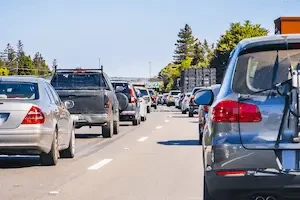

State Farm is deploying accident detection and response capabilities in its mobile app across Illinois and Florida, with plans for a national rollout. The upgrade enables the app to detect collisions in real time, alert emergency services if the driver is unresponsive, pinpoint GPS location, and initiate a claims workflow once a tow is requested.
State Farm’s enhanced Accident Assistance functionality will soon be available to all auto policyholders — not just those enrolled in its Drive Safe & Save telematics program. The system listens to sensor data from smartphones (e.g., accelerometer, GPS) and pairs with location tracking to identify crash events.
If the application detects a severe collision and the driver is unresponsive, it will automatically contact emergency services; at the same time, it can begin claim initiation when the user requests a tow.
The rollout is starting in Illinois and Florida; broader deployment is contingent on pilot evaluation.
State Farm already had a version of this capability under the Drive Safe & Save app; the engineering team has documented how it merged those telematics tools into its primary mobile app, preserving functionality during migration phases.
For collision repair shops, this upgrade is especially consequential. Data-driven crash detection accelerates first notice of loss (FNOL), cuts the lag between accident occurrence and insurer awareness, and may shift how vehicles are directed to repair facilities.
Faster FNOL, Shorter Cycle Time, More DRP Leverage
Insurers — and repair shops — have long valued on-scene FNOL for its potential to save costs: not just towing and storage, but also expedited repairs and better shop routing. In a 2018 Agero white paper, failure to secure on-scene FNOL was estimated to add $500–800 per claim in additional storage, secondary tow or delay costs.
By automating FNOL, State Farm could reduce the window during which carriers are blind to the loss, enabling faster claim setup and shop assignment. Industry thought leadership suggests that crash-detection systems can lower per-claim costs by around $1,000 by eliminating “delay” losses.
That matters to shops because the faster and smoother claims move, the lower the idle time, faster cycle turns, and better throughput. Moreover, stronger control over FNOL timing may enhance insurers’ leverage to drive volume toward their DRP shops.
Challenges
Crash-detection systems are not flawless. One major hurdle is false positives — misinterpreting non-accident events (a dropped phone, abrupt braking) as a crash. Insurers must calibrate sensitivity thresholds carefully to avoid chasing phantom claims and alienating customers.
On the consumer side, the requirement for constant location tracking and sensor access may stir privacy pushback. In its press release, State Farm emphasized that data handling is encrypted and that user permissions govern access.
As OEM certifications become more prevalent, some automakers are developing their own version of app-embedded FNOL technology. In 2024, General Motors announced its Collision Assistance app to help GM owners immediately find a certified shop in the event of a crash.