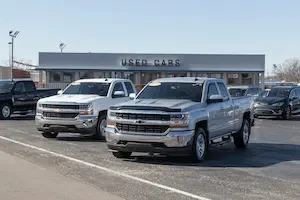

The National Highway Traffic Safety Administration (NHTSA) announced Monday it has opened a recall query into 597,571 General Motors vehicles over engine failures, according to Reuters. The inquiry comes after the agency received 36 complaints alleging that GM's previous recall remedy failed to fix the problem.
The affected vehicles are equipped with the L87 6.2L V8 gas engine.
GM's April 2025 fix under scrutiny
GM recalled 721,000 vehicles worldwide over engine issues in April 2025, with nearly 600,000 of those in the United States. That recall addressed manufacturing defects in the connecting rod or crankshaft that could lead to engine damage or failure, resulting in loss of power and increased crash risk.
The recall covered 2021-2024 models of the Cadillac Escalade and Escalade ESV, Chevrolet Silverado 1500, Suburban, and Tahoe, and GMC Sierra 1500, Yukon, and Yukon XL.
Under the original remedy, GM dealers inspected affected engines. Vehicles that passed inspection received higher viscosity oil, a new oil fill cap, an oil filter replacement, and an updated owner's manual. Engines that failed inspection were replaced.
The new complaints suggest those fixes may not have been sufficient for all affected vehicles.
Shops face liability exposure on recalled vehicles
Collision repair facilities should verify NHTSA recall status on all GM trucks and SUVs equipped with the L87 6.2L V8 engine at intake. Delivering a vehicle with a known unresolved safety defect, even one the customer declined to address, creates potential liability exposure for the shop.
Engine failures in these vehicles can occur without warning. Prior NHTSA investigation documents noted owners reported "no detectability prior to the engine failure." Sudden loss of propulsion increases the risk of secondary collisions, which could bring the repairing shop into a liability chain if recall status wasn't documented.
Shops should note recall status on the repair order and advise customers if an active recall exists. If a vehicle has already been through the recall process but exhibits warning signs such as unusual engine noises, check engine light illumination or rough performance, customers should be directed back to the dealer before the collision repair is completed.
Total loss threshold may shift
Vehicles requiring both collision repair and engine work face compounding costs. If the engine fails inspection and requires replacement under the recall, that added expense combined with collision damage could push more vehicles past total loss thresholds.
For shops, that means fewer repairable units. For customers, it means managing expectations early in the repair process, particularly on higher-mileage Silverados, Sierras, Tahoes, Yukons, Suburbans, and Escalades from the 2021-2024 model years.
NHTSA could require expanded recall
The agency's recall query will determine whether GM's original remedy was inadequate. If investigators find systemic problems with the fix, NHTSA could require GM to expand or revise the recall, potentially tightening parts availability for collision repairs on affected models.
This is the second GM safety action to draw NHTSA attention in recent weeks. In December, the automaker recalled more than 81,000 2025-2026 Chevrolet Equinox EVs for defective pedestrian alert sound systems that failed to meet federal requirements.
This pattern reinforces the importance of recall verification at intake for collision repair shops, particularly on high-volume GM trucks and SUVs.