Being from Michigan, I've been thinking about a flight metaphor to explain why ADAS calibration requires absolute precision.
Consider a pilot flying from Los Angeles to Detroit who makes an error of just one degree from the flight pattern at takeoff. That aircraft will arrive 35 miles from Detroit Metropolitan Airport. A pilot departing Boston with the same one-degree error? Fifteen miles off course. Orlando to Detroit? Nineteen miles off target. But a pilot flying from Honolulu who makes that same one-degree mistake? That plane would miss Detroit by 112 miles — potentially landing in another state entirely.
Pilots are trained to understand that small errors compound into massive consequences. In automotive ADAS systems, the stakes are identical. This is why we must maintain our position: ADAS calibration is precision work that demands professional standards. There's no "close enough" when calibrating safety systems.
Why Precision Cannot Be Compromised
That one-degree pilot error parallels what we encounter daily in our work. On some vehicle models, simply replacing a broken side view mirror that happens to contain a camera can disrupt system alignment. A radar sensor can shift position during even minor collision repairs. Sensors can gradually drift from their original positions with excessive road vibration, slight "bumps" in parking lots and use of automated car washes.
We must be clear about this reality: these aren't minor tolerances we can accept. They represent system degradation that compounds over time and distance.
Here's what happens when ADAS systems aren't properly calibrated:
• Lane departure warning systems with misaligned cameras create false alarms that drivers learn to ignore, or fail to detect actual lane departures
• Automatic emergency braking systems that are off by even small margins might fail to detect pedestrians or trigger unnecessary emergency stops that cause rear-end collisions
• Adaptive cruise control depends on precise radar measurements for every speed and distance calculation — calibration errors compromise every decision the system makes
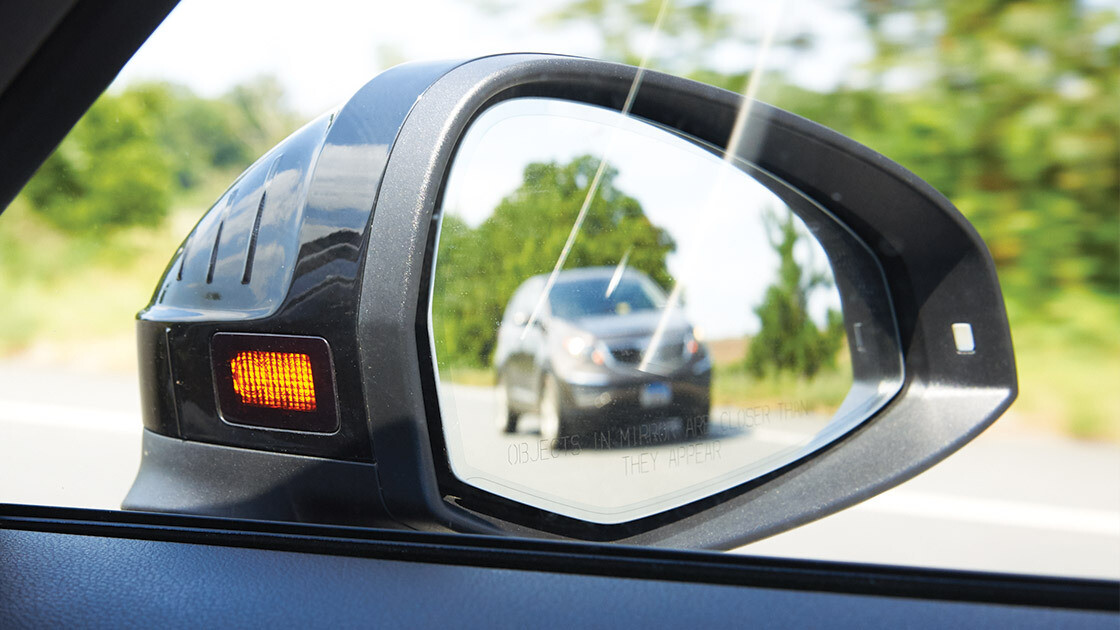
• Blind spot monitoring systems with poorly aligned sensors create actual blind zones that drivers assume the vehicle is monitoring
Professional Standards in Practice
Sensor drift happens in ways most people don't expect. Excessive road vibration from rough roads, slight "bumps" in parking lots, and even automated car washes can gradually shift sensors from their precise mounting positions.
When technicians approximate sensor alignment or rush calibration procedures to meet unrealistic timelines, they're making the same critical error as that pilot with the one-degree navigation mistake. Instead of missing an airport, we risk creating safety systems that miss the hazards they're designed to detect.
This work demands proper training because calibration precision directly impacts whether these systems function when lives depend on them. We need appropriate equipment — not workarounds or improvised solutions, but tools engineered for the precision these systems require.
The aviation industry learned this lesson definitively: pilots don't navigate with "approximately correct" headings because they understand the consequences. The same principle applies to our profession.
Establishing Our Expertise
This presents a significant opportunity to demonstrate our value as safety professionals. When customers question calibration timelines or insurance companies push for faster completion, we have the technical knowledge to lead these conversations.
With customers, we can explain that their family's safety justifies doing this work correctly. Most people understand the analogy when we explain that their vehicle's safety systems must be as precise as aircraft navigation systems.
With insurance companies, our technical expertise gives us the authority to advocate for realistic procedures and timelines. We're not being inefficient — we're maintaining professional standards.
Within our own facilities, we can champion the training and equipment investments that distinguish our work as centers of safety system excellence.
Our Professional Responsibility
Every vehicle leaving our service bay with properly calibrated ADAS systems represents our commitment to precision and safety. We serve as the technical professionals ensuring these safety systems perform exactly as engineered.
That flight from Los Angeles to Detroit that's off by one degree doesn't just miss its destination — it potentially compromises everyone aboard. The same principle applies when we compromise on calibration standards.
When we maintain precision in our work, families arrive home safely because their vehicle's safety systems functioned exactly as designed. That's the core of what this profession represents.

Ray Fisher is president of KSRA Consulting. An Accredited Automotive Manager (AAM) and Accredited Master Automotive Manager (AMAM), he has more than 20 years of body shop management experience and eight years as an assistant parts manager, as well as experience leading associations at the state and national levels, as president and executive director of ASA-Michigan for nine years and ASA National for three years. He has provided expert witness services on collision repair processes.