



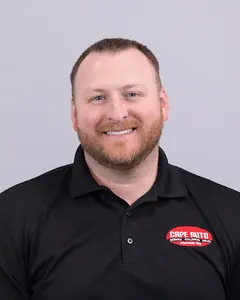
Eight years ago, Kevin Gallerani wasn’t exactly in a rut. His shop, Cape Auto Collision Center in Plymouth, Mass., was doing well and had already built out ADAS calibration capabilities. But he wanted to know what he was missing.
“I want to learn more. What else is going on out in the world?” Gallerani recalled thinking. “How can I set myself apart? How can I get ahead of some trends? What are other people doing?”
That curiosity led him to the PPG MVP Performance Group, a 20 group run by his paint company. He's been a member ever since, and he has missed only one or two meetings.
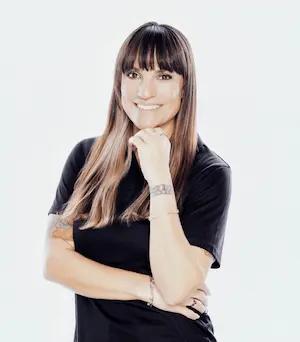
For Erin Solis, senior vice president of Square One Systems, that mindset is what makes performance groups work.
“I don’t think anybody has all the answers,” Solis said. “Even if you view yourself as successful and think you're doing well, there's always something new to learn.”
Redefining success
Solis joined a 20 group about 10 years ago as a shop manager and “didn't know what I didn't know.” Today she leads Square One Systems, which includes Coyote Vision Group and was acquired by Certified Collision Group Holdings in 2023.
Owners often judge success by their bank balance or their gross profit, she said. Then they see everyone else’s numbers.
“You get into a 20 group, compare all your numbers to everybody else’s, and you’re like, ‘There are 10 more points here that I could have in this area,’” Solis said. “Or, ‘I thought I was doing really good here, but more than half of my group is doing better than me.’ That’s when you realize there’s a whole other level of success to reach for.”
Gallerani’s group shares balance sheets and profit-and-loss statements, then digs into where each shop makes money. Parts is one example.
“We all share our stuff, and it’s like, ‘I think I’m losing money on parts,’” he said.
Labor is another. Gallerani said Massachusetts shops face some of the lowest labor rates in the country, so comparing notes helps him find where to make up the difference.
“Maybe we’re doing pretty good in parts, and maybe we’re doing pretty good at calibrations, but the labor thing we've got to work on,” he said.
Because members come from different states, they aren’t competitors.
“You don’t feel like it’s your neighbor and they’re going to steal your ideas,” Gallerani said. “It’s like, you help me. What can I do to help you?”
From pushing cars to pulling them
One recent change at Cape Auto Collision grew out of those conversations. The shop had always separated paint, but techs otherwise kept a car from start to finish. Now Gallerani is dividing the work further, including a separate disassembly stage.
“I've differentiated more categories within the shop to make it more of a free-flowing system, so the cars get pulled through the shop instead of pushed around,” he said. “We’re still tuning it up.”
Solis sees owners trade fixes like that all the time. Square One members report their financials electronically, so the group can track who has improved. When someone’s gross profit percentage climbs two or three points, “you see all the heads in the room shift over to that one person,” she said.
In one group, an owner shared the apprentice program his shop had run for five years, including where it failed and how they fixed it. After about half a day of discussion, “everybody in that group has created an apprentice program and is actively bringing new people into the industry because of it,” Solis said.
Making ideas stick
In his early years, Gallerani admits, he’d come home with pages of notes and implement only one or two. Six months later, his peers would ask why he stopped there.
“There’s only so much you can do at once,” he said. “You want it all to evolve together and not be too much chaos.”
Then there’s pushback. The office asks how a change will affect everything else. Technicians don’t want to change their routine.
“It's like, let’s just try it,” Gallerani said. “Ninety percent of the time, you’re like, ‘Wow, that actually worked out pretty well. We should have been doing this for the last five years.’”
Square One members also lean on each other between meetings through private chat groups. When one owner says a team member is resisting a change, “five, six or seven others chime in: ‘I had one of those too. Here’s what we did,’” Solis said.
What’s on the table now
Topics shift with the industry. At Gallerani’s most recent meeting, the group spent a long time on social media: what members are paying, whether it’s worth it, whether customers engage, and how to balance serious and funny.
It’s a timely topic for Gallerani. Since January, Cape Auto Collision has worked with an outside marketing firm on lighthearted videos featuring Gallerani and his father. He said the effort matters in Massachusetts, where direct repair programs are less common.
“We’ve got to fight to get our customers,” he said.
Getting out of your four walls
Both Solis and Gallerani say the biggest risk for a successful shop is staying put.
“If you’re sitting in your office in your one little shop, you’re never going to learn new ideas,” Gallerani said. If a 20 group feels like too big a step, he suggests starting with state association meetings.
Solis said the right candidate is someone open-minded “who knows they don’t already know everything.” Anyone who walks in thinking they have all the answers won’t be a good fit.
The benefits aren’t only financial. Gallerani counts some group members among his closer friends, and he values the reassurance as much as the ideas.
“It’s just good to know somebody else is doing the same fight that I’m doing,” he said. “I’m not the only one out here by myself.”





Leona Scott