



One of DCR Systems’ most successful store managers didn’t come from the collision industry at all. He came from the military as a former Navy SEAL with zero repair experience who joined the company several years ago. He had to learn the trade from scratch. But he already knew how to build a team, communicate a shared mission, and earn trust — and those skills turned out to matter more than any technical background could have.
“He excelled at building teams,” said Michael Giarrizzo Jr., president and CEO of DCR Systems. “And it’s been an amazing transformation.”
For many multi-shop operators, that story reflects a bigger shift underway across the industry. The collision repair world has spent years focused on recruiting technicians. But finding strong leaders has become just as pressing a problem. Rather than searching endlessly for experienced managers, some MSOs are identifying leadership potential inside their own walls and developing it intentionally, long before a position opens.
Here are some tips that Giarrizzo and Mike Hritzak, director of operations for Brightpoint Auto Body, share.
Look past the résumé
Giarrizzo said leadership candidates rarely announce themselves with a title or a background that screams “manager.” He looks instead for employees who solve problems, communicate well, help teammates succeed, and keep asking whether a process can be improved; in addition, he’s learned not to mistake a big personality for leadership ability.
“We’ve discovered quiet leaders who are equally as effective,” he said. “You have to be careful how you identify them.”
That mindset is what led DCR to the former SEAL in the first place, and it’s shaped how the company evaluates talent ever since: less about job title, more about whether someone is already influencing the people around them.
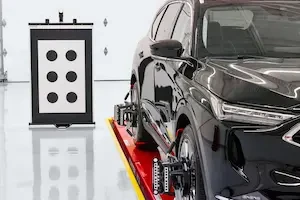
As repairs get more complex with ADAS calibrations and OEM procedures, specialized roles that didn’t exist a decade ago, like the manager who just knows how to fix cars faster than anyone else, aren’t enough anymore.
But DCR has instead leaned into a servant-leadership model. For example, the manager’s job isn’t to be the best technician in the building; it’s to make sure the team has the training, tools, and support to do their jobs well. For an MSO or an independent shop, that’s a different hire than the old model of promoting whoever’s fastest on the floor.
Make the title something earned, not given
One of DCR’s clearest examples of this in action started with a technician who joined the company as an apprentice. He eventually became one of DCR’s top structural techs, and over time coworkers began seeking him out for guidance on their own. As the company leaned on him more heavily to coach new hires and reinforce the process, his leadership was hard to ignore.
Rather than handing him a management title outright, DCR invested in mentoring him first through its Store Support Team, a group of experienced leaders who coach developing managers before they’re given responsibility. With that support and additional training, he eventually became one of the company’s highest-performing store leaders.
“The title was never given,” Giarrizzo said. “It was earned.”
Slow down the promotion decision
Giarrizzo is candid that DCR has made the opposite mistake, too: promoting someone based on technical performance alone. “We’ve made the mistake of taking a high-performing person and promoting them into a position they’re simply not comfortable in,” he said.
Technical skill and leadership skill aren’t the same thing, he said. Leadership requires communication, coaching, conflict resolution, and the ability to give feedback, none of which come automatically with a strong repair record. He also warns against the opposite failure: leaving an ineffective manager in place too long. Rising absenteeism, conflict between employees, declining morale, and a lack of emerging leaders at a location are all signs a change is overdue. “When you hang on too long without making changes, you lose really good people,” he said.
Build development into the structure, not just the culture
At DCR, leadership development isn’t left to chance or good intentions; it’s built into the company’s systems. That includes formal mentoring, leadership development programs, recommended books and audiobooks, and behavioral assessments, alongside the Store Support Team. DCR also built its own digital learning platform so employees can pull up repair procedures, customer service processes, and operational guidance from a handheld device whenever they need them.
That structure changes how training time is spent. Instead of asking employees to memorize every process, Giarrizzo wants them focused on the bigger picture. “Our job is to wow the customer,” he said. “Anything they need to know specifically is available to them,” which frees up development time for leadership, teamwork and critical thinking instead.
Hritzak has built a similar structure earlier in his career. Frustrated with inheriting undertrained hires, he started a six-week estimator training program at a previous MSO: candidates received weekly homework, worked through it with their managers, and had to score 90 percent or better on a standardized car write-up before moving into the role. Some of those trainees are market managers today.
Hire with the next role already in mind
Hritzak, who’s grown Brightpoint from 6 locations to 38 in two years, brings a similar philosophy to hiring itself. In every interview, he asks candidates where they want to be in five years and what kind of life they’re trying to build. “I always try to hire for the next position,” he said.
A CSR who wants to grow can become an estimator. An estimator with the right instincts can become a manager. Not everyone wants that path, and Hritzak said that’s fine, too. He said some candidates simply want to clock out at five and go home to their family, and he builds a role around that just as readily as he does for someone who is chasing a bigger title. “If somebody wants more opportunity and I can help them get there, that matters,” he said.
Both executives point to the same underlying belief: leadership doesn’t develop by accident. Whether it’s DCR’s structured mentoring pipeline or Brightpoint’s forward-looking hiring conversations, the shops seeing the strongest results are the ones treating leadership development as a system, not a hope.
For owners who assume no one in their shop is ready to lead, Giarrizzo has a simple suggestion. “I’d start with an assessment of your people,” he said. “You may be surprised.”






Leona Scott